close
BERJAYA


The Great Moon Hoax of 1835: Where “Fake News” Began

Think­ing back to the many child­hood gro­cery-store trips made with their par­ents, Amer­i­cans of a cer­tain age will remem­ber noth­ing so vivid­ly as the Week­ly World News. It always stood out on the check­out stand’s impulse-buy rack, in part because of its adher­ence to stark yet jum­bled black-and-white cov­er designs even as all the oth­er mag­a­zines grew slick­er and sim­pler. But what real­ly caught our young and impres­sion­able eyes had even more to do with the con­trast between the sur­round­ing pub­li­ca­tions’ mun­dane cov­er­age of home, fam­i­ly, and celebri­ty and the WWN’s unfail­ing­ly, scream­ing­ly out­landish head­lines: “I WAS BIGFOOT’S LOVE SLAVE!” “WILD WEST TOWN ON VENUS!” “BAT BOY LEADS COPS ON 3 STATE CHASE!”
BERJAYA

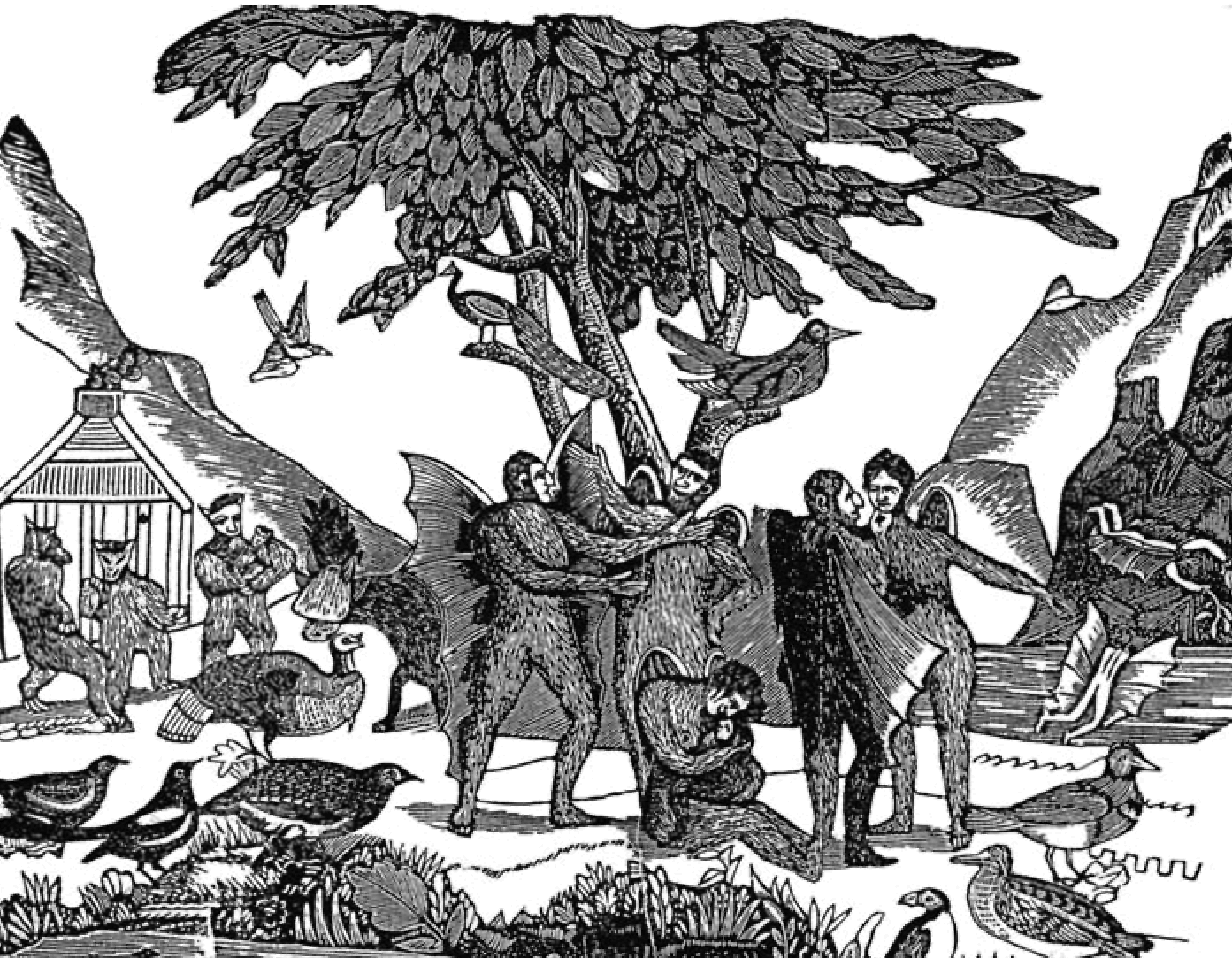
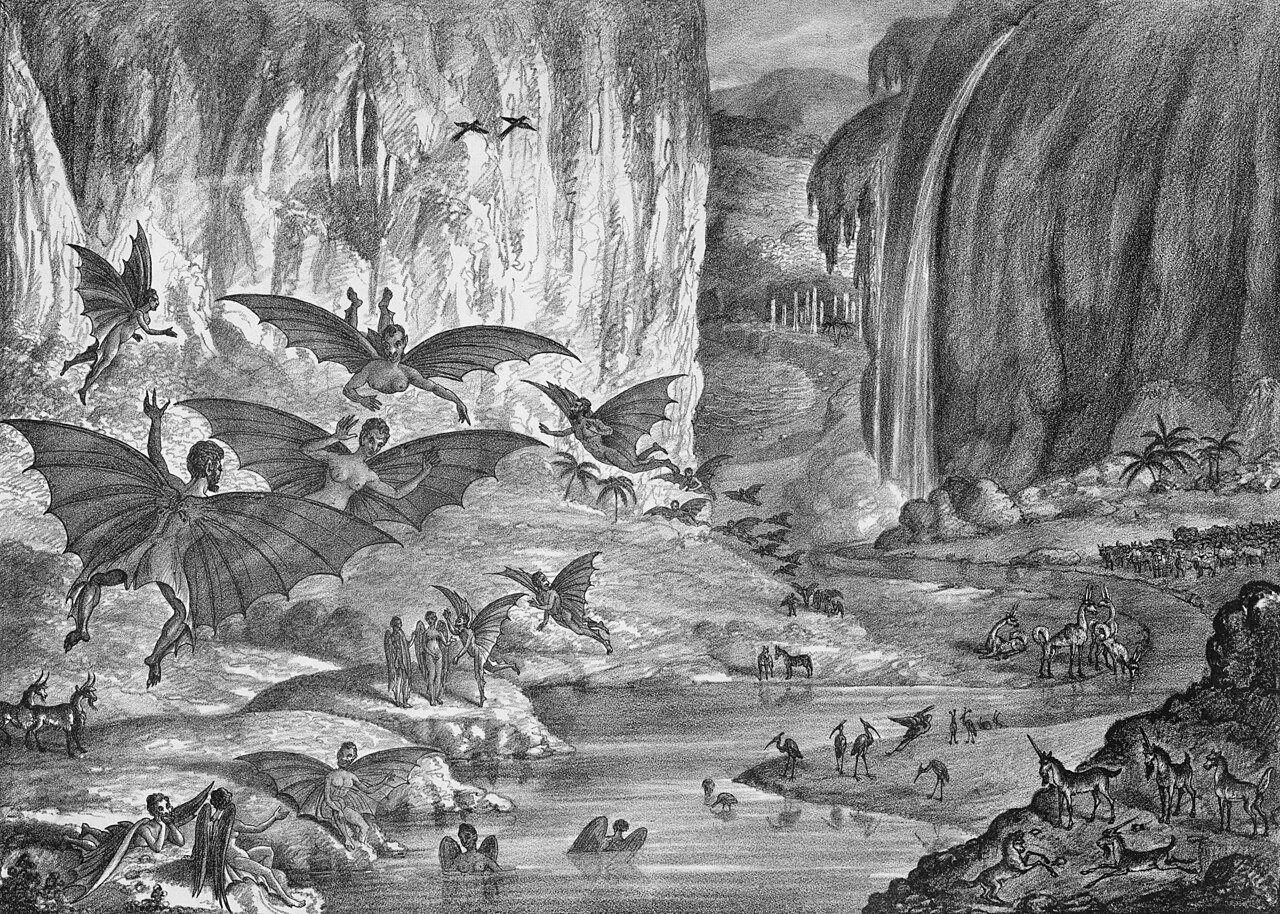
For many of us, the temp­ta­tion to buy (or at least flip through) an issue of the WWN lay in keep­ing up with the exploits of Bat Boy, the most promi­nent of many fic­tion­al char­ac­ters to which its extrav­a­gant­ly lurid yet odd­ly sober sto­ries returned again and again. Though intro­duced only in 1992, he has notable ances­tors in his indus­try: take the “Ves­per­tilio-homo,” or “man-bat,” a race found to have made its home on the moon in 1835.

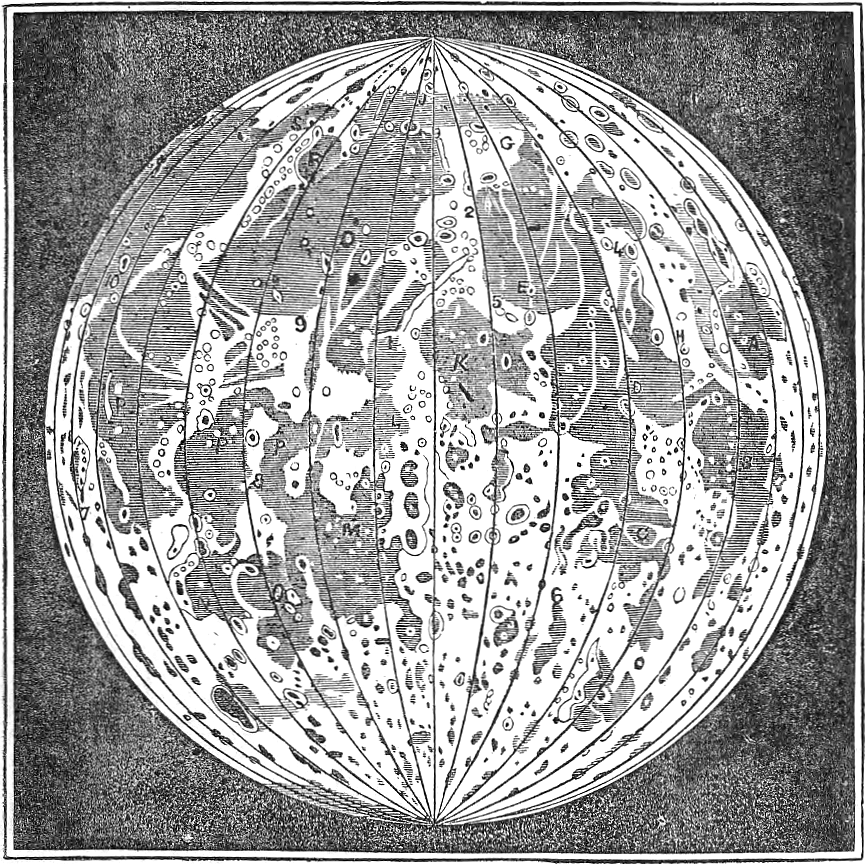
Or at least that’s what the read­ers of New York news­pa­per the Sun were told in a series of illus­trat­ed arti­cles, lat­er col­lect­ed in book form, that cred­it­ed the dis­cov­ery to the astronomer Sir John Her­schel. Her­schel was real, but as the Sun admit­ted the fol­low­ing month, the Ves­per­tilio-homo was­n’t — nor were the uni­corn-goats, minia­ture zebras, and beavers walk­ing on their hind legs report­ed­ly also seen through his tele­scope.

BERJAYA

The “Great Moon Hoax,” as it’s now known, and about which you can learn more from the BBC video at the top of the post, was­n’t Her­schel’s doing. A reporter called Richard Adams Locke admit­ted to the fab­ri­ca­tion, seem­ing­ly moti­vat­ed by a desire to boost the cir­cu­la­tion of the Sun, one of the many “pen­ny paper” tabloids of the day that lived and died by sen­sa­tion and scan­dal, and also to make light of the extrav­a­gant astro­nom­i­cal claims then in the air. Much like the writ­ers of the Week­ly World News — or lat­er, the Onion — Locke want­ed less to fool read­ers than to enter­tain them by sat­i­riz­ing an over-cred­u­lous pop­u­lar cul­ture. Yet what he pio­neered was, quite lit­er­al­ly, “fake news,” though that label by now refers to media cre­at­ed with clear intent to deceive. The world has changed since the eigh­teen-thir­ties, and indeed, even since Bat Boy’s late twen­ti­eth-cen­tu­ry hey­day, when the WWN pre­dict­ed his elec­tion as Pres­i­dent of the Unit­ed States in 2028. Stranger things have cer­tain­ly hap­pened.

BERJAYA

via Boing Boing

Relat­ed con­tent:

“Moon Hoax Not”: Short Film Explains Why It Was Impos­si­ble to Fake the Moon Land­ing

The 1957 “Spaghet­ti-Grows-on-Trees” Hoax: One of TV’s First April Fools’ Day Pranks

The Birth of the Moon: How Did It Get There in the First Place?

A Field Guide to Fake News and Oth­er Infor­ma­tion Dis­or­ders: A Free Man­u­al to Down­load, Share & Re-Use

Based in Seoul, Col­in Marshall writes and broad­casts on cities, lan­guage, and cul­ture. He’s the author of the newslet­ter Books on Cities as well as the books 한국 요약 금지 (No Sum­ma­riz­ing Korea) and Kore­an Newtro. Fol­low him on the social net­work for­mer­ly known as Twit­ter at @colinmarshall.

Leonardo da Vinci’s Notebooks, Separated for 400 Years, Have Been Reunited and Put Online

BERJAYA

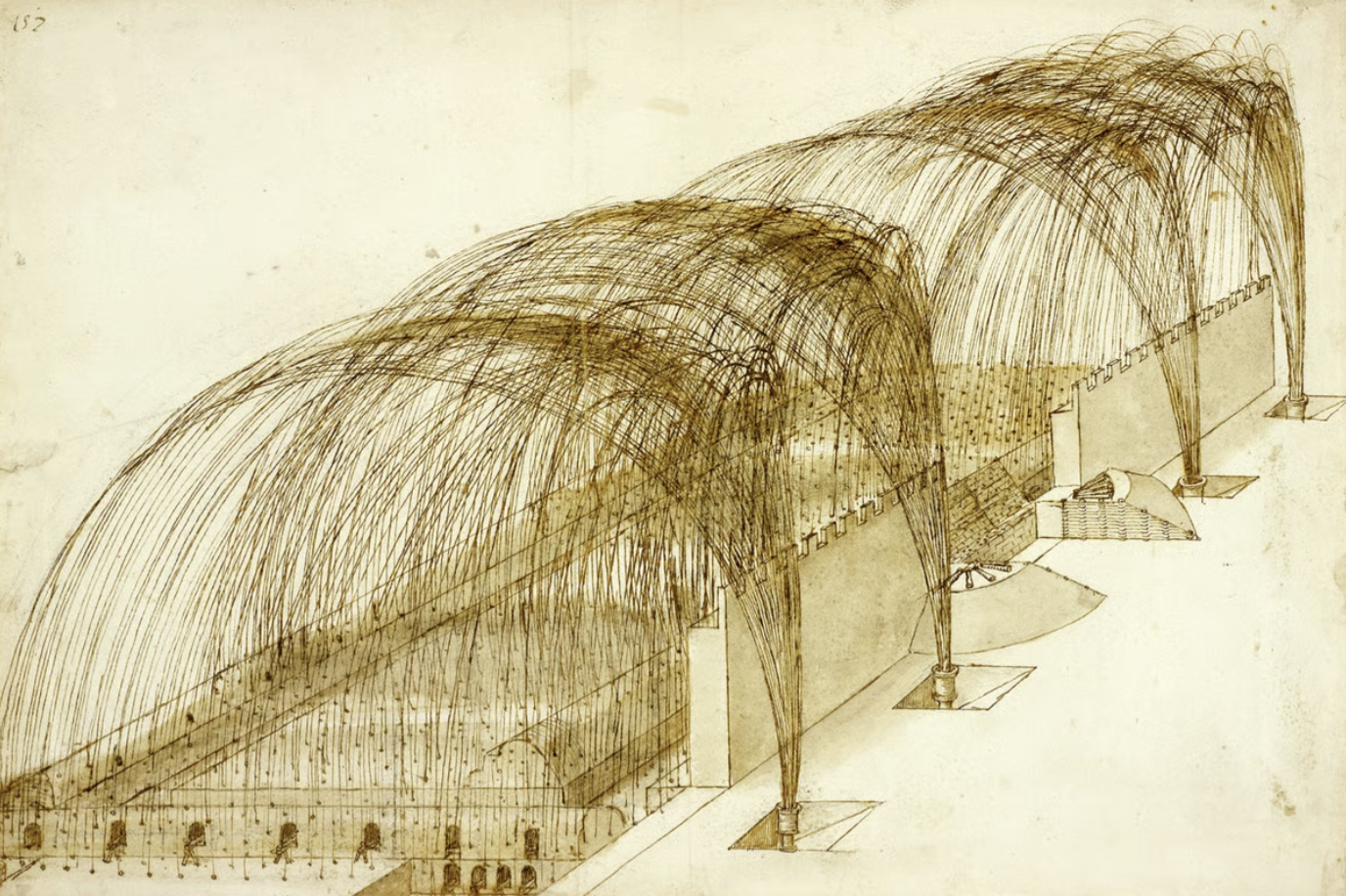
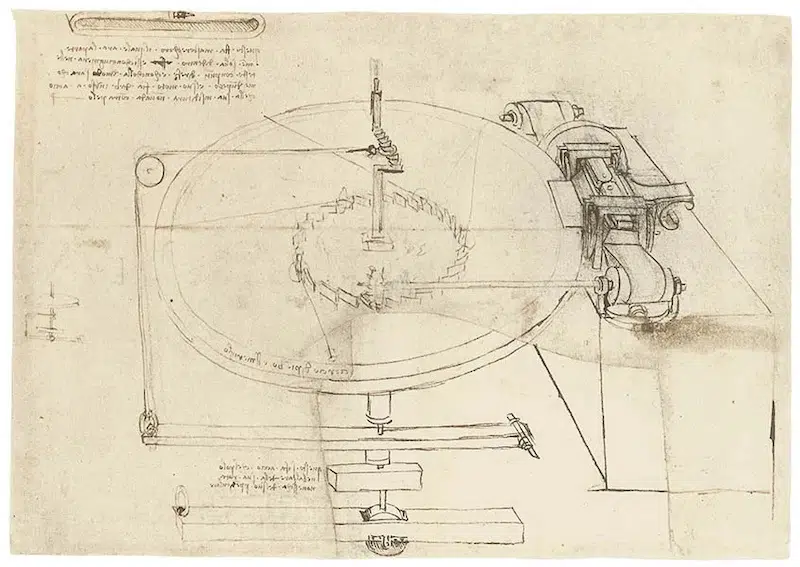
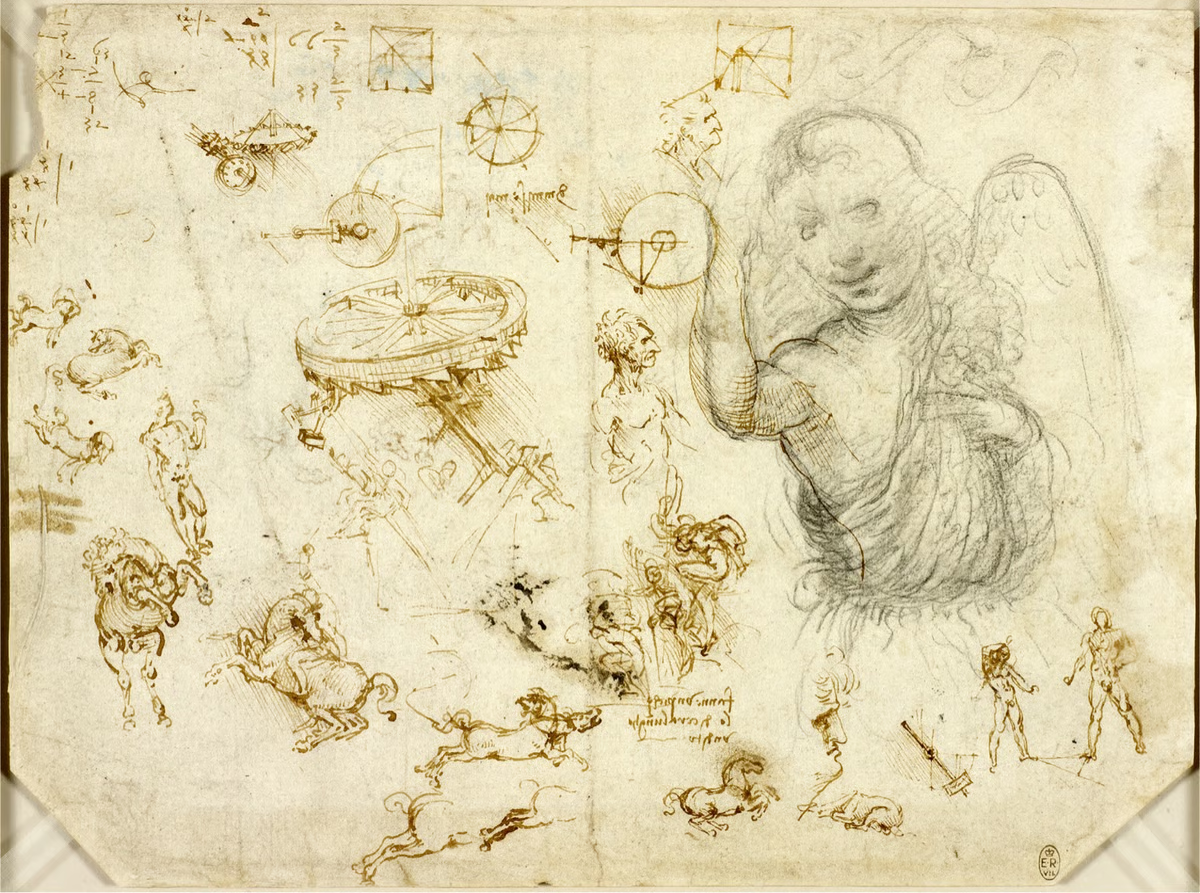
Leonar­do da Vin­ci was a painter, draughts­man, engi­neer, sci­en­tist, the­o­rist, sculp­tor, and archi­tect, to pro­vide only his most wide­ly agreed-upon list of occu­pa­tions. It is he, more than any oth­er sin­gle fig­ure, who comes to mind when we think of the ide­al of the “Renais­sance man.” Though con­sid­ered rather less prac­ti­cal today than it was in fif­teenth-cen­tu­ry Italy, the relent­less quest­ing for both sci­en­tif­ic knowl­edge and artis­tic per­fec­tion implied by that title has nev­er entire­ly ceased to appeal. For aspir­ing mod­ern Renais­sance men, one of the most endur­ing sources of inspi­ra­tion remains Leonar­do’s own note­books, full of back­wards-writ­ten explo­rations of ideas both real­ized and unre­al­ized that move unpre­dictably from one intel­lec­tu­al domain to anoth­er.

BERJAYA

That last qual­i­ty seems to have dis­pleased the sculp­tor Pom­peo Leoni, who even­tu­al­ly came into pos­ses­sion of Leonar­do’s note­books after they were inher­it­ed by his last stu­dent Francesco Melzi. Leoni “dis­mount­ed and cut the folios, sep­a­rat­ing the mate­ri­als into two albums accord­ing
to his own judge­ment,” notes the Ital­ian Embassy in Lon­don, “the larg­er por­tion for tech­ni­cal and sci­en­tif­ic top­ics,” and the small­er for “Leonardo’s artis­tic and fig­u­ra­tive work­ings.”

In the ear­ly sev­en­teenth cen­tu­ry, Leoni’s son-in-law sold the for­mer album, now known as the Codex Atlanti­cus, to a count who in turn donat­ed it to the Veneran­da Bib­liote­ca Ambrosiana; the lat­ter end­ed up in Eng­land’s Roy­al Col­lec­tion by 1670 or so. Only now have they been reunit­ed, thanks to a project called Leonar­dothe­ka.

BERJAYA

The cul­mi­na­tion of a decade’s work involv­ing the Veneran­da Bib­liote­ca Ambrosiana as well as the Bib­liote­ca Leonar­diana and the Roy­al Col­lec­tion Trust, Leonar­dothe­ka dig­i­tal­ly reunites those albums after four cen­turies apart. Such a task also entailed the recon­struc­tion of 50 long-sun­dered indi­vid­ual pages and their replace­ment into their orig­i­nal con­text. The note­books com­bined “decades of anatom­i­cal stud­ies, fly­ing machines, land­scapes, and gro­cery-list-adja­cent mus­ings, all tan­gled togeth­er the way Leonar­do’s mind may have worked,” writes Anas­ta­sia Scott at Dis­cov­er. Yet he’d “like­ly nev­er intend­ed to sep­a­rate art from sci­ence in the first place. A sin­gle page might hold a machine, a horse, and a poem, and Leoni sev­ered con­nec­tions the artist had made on pur­pose.” With those con­nec­tions restored, we here in the twen­ty-twen­ties — a time plagued by its own doubts about the rela­tion­ship between what we now call “human­i­ties” and “STEM” — can see once again how a real Renais­sance mind worked. Enter the Leonar­dothe­ka here.

via Kot­tke

Relat­ed con­tent:

A Com­plete Dig­i­ti­za­tion of Leonar­do Da Vinci’s Codex Atlanti­cus, the Largest Col­lec­tion of His Draw­ings & Writ­ings

Leonar­do da Vinci’s Vision­ary Inven­tions Ren­dered in 3D Ani­ma­tion: Heli­copters, Robot­ic Knights, The First Ever Div­ing Suit & More

Why Did Leonar­do da Vin­ci Write Back­wards? A Look Into the Ulti­mate Renais­sance Man’s “Mir­ror Writ­ing”

The Doo­dles in Leonar­do da Vinci’s Man­u­scripts Con­tain His Ground­break­ing The­o­ries on the Laws of Fric­tion, Sci­en­tists Dis­cov­er

Leonar­do da Vinci’s Hand­writ­ten Resume (Cir­ca 1482)

Leonar­do da Vinci’s To-Do List from 1490: The Plan of a Renais­sance Man

Based in Seoul, Col­in Marshall writes and broad­casts on cities, lan­guage, and cul­ture. He’s the author of the newslet­ter Books on Cities as well as the books 한국 요약 금지 (No Sum­ma­riz­ing Korea) and Kore­an Newtro. Fol­low him on the social net­work for­mer­ly known as Twit­ter at @colinmarshall.

The History of Soccer and the World Cup: A Short Introduction

Every four years, human­i­ty under­goes a great increase in its num­ber of soc­cer fans — or rather, foot­ball fans, depend­ing on what part of the world we’re talk­ing about. That’s not to imply that the world oth­er­wise suf­fers from a dearth of enthu­si­asts of that par­tic­u­lar sport. Nor is foot­ball an obscure sec­ondary term: the lan­guage of most every coun­try obsessed with the thing itself has local­ized that name for it, result­ing in a vari­ety of words from fút­bol to fut­bol to fute­bol to Fußball. There remains the mat­ter of cal­cio, but then, Ital­ians have always done things their own way. So do Amer­i­cans, as this year’s World Cup has empha­sized, but you’ll find that soc­cer actu­al­ly turns out not to have orig­i­nat­ed as yet anoth­er awk­ward cus­tom exclu­sive to the Unit­ed States.

In fact, it derives from a few let­ters of the full British name of the game, “asso­ci­a­tion foot­ball.” Com­mon­ly heard in the U.K. up until the nine­teen-sev­en­ties, soc­cer even­tu­al­ly came in handy on the oth­er side of the pond to dif­fer­en­ti­ate it from what most of the world calls “Amer­i­can foot­ball.”

As explained in about 20 min­utes in the Geo His­to­ry video at the top of the post, the his­to­ry of soc­cer, foot­ball, fút­bol, or what­ev­er you may call it is full of facts that will sure­ly sur­prise those of who only pay it any atten­tion when the World Cup comes around — and may occa­sion­al­ly sur­prise the die-hards who live and breathe the game even dur­ing the off years. For a much deep­er (and more humor­ous) dive into a nar­row­er slice of the past, we also have this two-hour his­to­ry of the World Cup from foot­ball YouTu­ber Vizeh.

If you want to avoid a name spe­cif­ic to any one nation­al lan­guage, you can always refer to “the beau­ti­ful game,” but even if that adjec­tive applies to the action on the field, at least on a good day, it sits less eas­i­ly with the pol­i­tick­ing, back­bit­ing, and not-always-above-board deal­mak­ing char­ac­ter­is­tic of its busi­ness and admin­is­tra­tion at a glob­al scale. The whole enter­prise has come to rep­re­sent all the glo­ries and ugli­ness of moder­ni­ty, reduced to a rigid­ly stan­dard­ized bat­tle­field on which increas­ing­ly many nations of the world aspire to achieve first pres­ence, then dom­i­na­tion. For exam­ple, South Korea, where I live, has made its seri­ous­ness on the pitch suf­fi­cient­ly known over four straight decades of World Cup par­tic­i­pa­tion that you might want to learn the Kore­an word chukgu — at least if the com­ing match with South Africa goes its way.

Relat­ed con­tent:

Restored Footage from the First World Cup: Uruguay, 1930

Pelé’s Great World Cup Goals (RIP)

Albert Camus’ Lessons Learned from Play­ing Goalie: “What I Know Most Sure­ly about Moral­i­ty and Oblig­a­tions, I Owe to Foot­ball”

The Mon­ty Python Phi­los­o­phy Soc­cer Match: The Ancient Greeks Ver­sus the Ger­mans

Why Jorge Luis Borges Hat­ed Soc­cer: “Soc­cer is Pop­u­lar Because Stu­pid­i­ty is Pop­u­lar”

The Rules of 100 Sports Clear­ly Explained in Short Videos: Base­ball, Foot­ball, Jai Alai, Sumo Wrestling, Crick­et, Pétanque & Much More

Based in Seoul, Col­in Marshall writes and broad­casts on cities, lan­guage, and cul­ture. He’s the author of the newslet­ter Books on Cities as well as the books 한국 요약 금지 (No Sum­ma­riz­ing Korea) and Kore­an Newtro. Fol­low him on the social net­work for­mer­ly known as Twit­ter at @colinmarshall.

Meet Héloïse, the Medieval Woman Philosopher Who Turned a Doomed Love Affair into a Meditation on Ethics

The ill-fat­ed romance of Abelard and Héloïse may be a per­ma­nent cul­tur­al fix­ture, but it’s worth ask­ing what any of us under­stand about Abelard or Héloïse them­selves. Before the two ever crossed paths, Peter Abelard was already a cel­e­brat­ed philoso­pher in France whose class­es drew large and enthu­si­as­tic crowds. This was, bear in mind, a time and place where argu­ing real­ism ver­sus con­cep­tu­al­ism amount­ed to a spec­ta­tor sport. A mod­ern fram­ing might analo­gize him to a cross between an intel­lec­tu­al ath­lete and a pub­lic intel­lec­tu­al. That he would attract admir­ing pupils is a giv­en, but none seems to have exud­ed the sheer allure of Héloïse d’Ar­gen­teuil.

That allure, more­over, was of the mind at least as much as of the body. “A prodi­gy from a young age, Héloïse was flu­ent in sev­er­al lan­guages and renowned for her poet­ry, musi­cal prowess, and fiery wit,” explains the nar­ra­tor of the new video from Aeon above. ”

As women could­n’t attend uni­ver­si­ty, her uncle and guardian arranged for her to con­tin­ue her edu­ca­tion with a renowned young schol­ar.” That, of course, was Abelard, who did­n’t need too much one-on-one time with his new pupil before decid­ing to cast off his famous­ly ascetic ways and roll the dice on love. Alas, we all know at least the more dra­mat­ic points of how it turned out: cas­tra­tion for Abelard, self-imposed clois­ter­ing for the both of them. Yet even that did­n’t mark the end of their asso­ci­a­tion.

In her nun­hood, Héloïse “came to pos­sess a let­ter Abelard intend­ed to send to a friend, eulo­giz­ing their time togeth­er. In response, she ini­ti­at­ed a years-long cor­re­spon­dence.” The let­ters “are steeped in long­ing, yet they tran­scend the sighs of star-crossed lovers, weav­ing heart-wrench­ing per­son­al sen­ti­ment with trail­blaz­ing the­ol­o­gy and phi­los­o­phy.” At one point, Héloïse brings her philo­soph­i­cal mind to bear on the prob­lem of their own rela­tion­ship, arriv­ing at her simul­ta­ne­ous guilt and inno­cence on the premise that “it is not the deed, but the inten­tion of the doer, which makes the crime.” Here we have an ear­ly exam­ple of what philoso­phers today call “inten­tion­al­ist,” as opposed to “con­se­quen­tial­ist,” ethics. How much com­fort her argu­ment that “there can be no sin in an action done out of love” pro­vid­ed Abelard is unclear. But sure­ly he appre­ci­at­ed its intel­lec­tu­al mer­its, giv­en that his mind, at least, was left whol­ly intact.

Relat­ed Con­tent:

The Ency­clo­pe­dia of Women Philoso­phers: A New Web Site Presents the Con­tri­bu­tions of Women Philoso­phers, from Ancient to Mod­ern

The Con­tri­bu­tions of Women Philoso­phers Recov­ered by the New Project Vox Web­site

A Short Ani­mat­ed Intro­duc­tion to Hypa­tia, Ancient Alexandria’s Great Female Philoso­pher

An Ani­mat­ed Intro­duc­tion to the Fem­i­nist Phi­los­o­phy of Simone de Beau­voir

Kierkegaard on Why We All Mis­un­der­stand the True Mean­ing of Love: An Ani­mat­ed Expla­na­tion

Based in Seoul, Col­in Marshall writes and broad­casts on cities, lan­guage, and cul­ture. He’s the author of the newslet­ter Books on Cities as well as the books 한국 요약 금지 (No Sum­ma­riz­ing Korea) and Kore­an Newtro. Fol­low him on the social net­work for­mer­ly known as Twit­ter at @colinmarshall.

The Bible’s Deleted Scenes: A Guide to the Strange Biblical Stories Known as the Apocrypha

The term apoc­ryphal may sound anti­quat­ed, but any rea­son­ably seri­ous read­er encoun­ters it fair­ly often, even in recent­ly pub­lished texts. In the mod­ern usage, it usu­al­ly describes words or events that, despite prob­a­bly nev­er hav­ing been spo­ken or tak­en place, tend to be cit­ed as if they had. Hochela­ga cre­ator Tom­mie Trelawny says that the word comes from a Greek term mean­ing “hid­den,” and was used to refer to dis­put­ed texts not includ­ed in the main­stream Bible. Some church­es acknowl­edge these apoc­rypha, and oth­ers reject them. As for what the unpre­dictable and often bizarre mate­r­i­al, even by bib­li­cal stan­dards, in these “hid­den books,” that’s what Trelawny explains in his new video above.

In the book of Tobit, a high­ly unfor­tu­nate man and woman receive sal­va­tion from the angel Raphael, who uses fish guts to cure their phys­i­cal and demon­ic afflic­tions. In the book of Judith, the tit­u­lar Israelite wid­ow deceives and slays the Assyr­i­an gen­er­al Holofernes, a scene immor­tal­ized by Car­avag­gio (and ren­dered even more vis­cer­al­ly, as pre­vi­ous­ly fea­tured here on Open Cul­ture, by Artemisia Gen­tileschi).

In one chap­ter of the book of Daniel, the tit­u­lar prophet plays the lawyer in a kind of court­room dra­ma that has a cou­ple of men get­ting their come­up­pance for false­ly accus­ing a woman of adul­tery; in anoth­er, he turns detec­tive, inves­ti­gat­ing the mat­ters of a stat­ue said to come alive at night and a drag­on being wor­shipped as a god.

There’s quite a bit more, all of it event­ful, none of it uni­ver­sal­ly accept­ed among the holy texts of Chris­tian­i­ty. The pecu­liar sta­tus of the apoc­rypha dates back to the fourth cen­tu­ry, when the schol­ar Jerome embarked upon a trans­la­tion of the Bible into Latin. This first required gath­er­ing up all extant ver­sions of the book, which did­n’t nec­es­sar­i­ly agree with each oth­er: one, writ­ten in Greek, includ­ed quite a few more books than the Bible in Hebrew. It was Jerome who, unable to con­firm these extra books’ authen­tic­i­ty, labeled them “apoc­rypha,” plac­ing them in a sec­tion that even­tu­al­ly got them regard­ed as a kind of sec­ond canon: “delet­ed scenes,” as Trelawny puts it, accom­pa­ny­ing the fea­ture that is the Bible. As for the extent to which they reflect the auteur’s true vision, that can only be — and remain — a mat­ter of debate.

Relat­ed con­tent:

Chris­tian­i­ty Through Its Scrip­tures: A Free Course from Har­vard Uni­ver­si­ty

Every Book of the Bible Explained in One Video

The Gnos­tic Gospels: An Intro­duc­tion to the For­bid­den Teach­ings of Jesus

The Dead Sea Scrolls: Dis­cov­er the Secrets of the Bible’s Old­est and Strangest Texts

How Many Lives Does God Take in the Bible: An Inves­ti­ga­tion into a Sur­pris­ing­ly High Body Count

Based in Seoul, Col­in Marshall writes and broad­casts on cities, lan­guage, and cul­ture. He’s the author of the newslet­ter Books on Cities as well as the books 한국 요약 금지 (No Sum­ma­riz­ing Korea) and Kore­an Newtro. Fol­low him on the social net­work for­mer­ly known as Twit­ter at @colinmarshall.

David Hockney, RIP: See the Evolution of His Pop-Art Swimming-Pool Masterpiece A Bigger Splash (1967)

In a way, it always made sense that one of the most mem­o­rable visu­al dis­til­la­tions of South­ern Cal­i­for­nia life would have been paint­ed by an Eng­lish­man. The purest appre­ci­a­tion for the wide-open lifestyle choic­es, freestyle built envi­ron­ment, unre­pen­tant pri­vate wealth, and high-wattage sun­shine of Los Ange­les — espe­cial­ly as it was exag­ger­at­ed, and indeed mythol­o­gized, in mid-twen­ti­eth cen­tu­ry pop­u­lar cul­ture — could only be felt by some­one from an infi­nite­ly more tra­di­tion­al, strait­ened, and damp part of the world. David Hock­ney, who died last week, was­n’t just an Eng­lish­man but a north­ern Eng­lish­man, who would have grown up sur­round­ed by the kind of atti­tudes sat­i­rized in the “Four York­shire­men” sketch made famous by Mon­ty Python. Lit­tle won­der he fell in love with the newest city of the New World.

Hock­ney gave that many artis­tic forms over decades of his long life and career. Prac­ti­cal­ly any­one who knows his name can rec­og­nize A Big­ger Splash, from 1967, a both idyl­lic and faint­ly eerie depic­tion of some­one hav­ing just plunged into the swim­ming pool behind what now looks like a clas­sic “mid­cen­tu­ry mod­ern” home accent­ed with palm trees.

But few­er can call to mind the works from which it evolved, A Lit­tle Splash and The Splash, both of which Hock­ney paint­ed the pre­vi­ous year; all togeth­er, they con­sti­tute a series orig­i­nal­ly inspired by a pho­to­graph on the cov­er of a swim­ming-pool main­te­nance guide from the late fifties. You can see the three paint­ings put in con­text in the Sothe­by’s video at the top of the post, which reveals how Hock­ney’s image grew more abstract­ed, and more Los Ange­lized, with each iter­a­tion.

When it came time to paint the third ver­sion, Hock­ney first built up its arrange­ment of house, pool, div­ing board, and sky with blocks of flat (if char­ac­ter­is­ti­cal­ly bright) col­or. He then grad­u­al­ly nudged these shapes toward rep­re­sen­ta­tion by adding detail. Dis­cussing the mak­ing of the paint­ing lat­er in life, he liked to men­tion how much time he spent on the splash alone: a full week, at least, to ren­der an event that lasts no longer than a sec­ond or two. There would be more Hock­ney swim­ming pools, each evoca­tive in its own way, none more expen­sive than the near­ly pho­to­re­al­is­tic Por­trait of an Artist (Pool with Two Fig­ures), from 1971, which went for $90.3 mil­lion at Christie’s in 2018. But it was only A Big­ger Splash that went on to adorn the cov­er of Reyn­er Ban­ham’s Los Ange­les: The Archi­tec­ture of Four Ecolo­gies, still one of the most per­cep­tive books about that city — and one writ­ten, nat­u­ral­ly, by anoth­er besot­ted Brit.

Relat­ed Con­tent:

David Hock­ney Shows Us His Sketch Book, Page by Page

Watch David Hock­ney Paint with Light, Using the Quan­tel Paint­box Graph­ics Sys­tem (1986)

29 Sketch­books by Renowned Artist Richard Diebenko­rn, Con­tain­ing 1,045 Draw­ings, Now Freely View­able Online

How West Mag­a­zine Cre­at­ed a South­ern-Cal­i­for­nia Pop-Cul­ture Aes­thet­ic with the Help of Mil­ton Glaser, Gahan Wil­son, and Oth­ers (1967–1972)

Art Trips: Vis­it the Art of Cities Around the World, from Los Ange­les & Lon­don, to Venice and New York

When Hen­ri Matisse Was 83 Years Old, He Couldn’t Go to His Favorite Swim­ming Pool, So He Cre­at­ed a Swim­ming Pool as a Work of Art

Based in Seoul, Col­in Marshall writes and broad­casts on cities, lan­guage, and cul­ture. He’s the author of the newslet­ter Books on Cities as well as the books 한국 요약 금지 (No Sum­ma­riz­ing Korea) and Kore­an Newtro. Fol­low him on the social net­work for­mer­ly known as Twit­ter at @colinmarshall.

How the Hagia Sophia Was Built, and How It’s Being Saved from Collapse

Ask around for what every­one knows about Istan­bul (oth­er than that it used to be called Con­stan­tino­ple), and you’ll find that the pres­ence of Hagia Sophia there comes right to many a mind. Less like­ly to be men­tioned is its prone­ness to earth­quakes, though it tends to rank just below Tokyo on lists of cities under the great­est threat from fault lines below. These two char­ac­ter­is­tics turn out to have a con­nec­tion, man­i­fest in the ongo­ing seis­mic retro­fitting of Istan­bul’s sym­bol­ic cathe­dral-turned-mosque-turned-muse­um turned-mosque-again. Hagia Sophia is one of the most cel­e­brat­ed reli­gious build­ings stand­ing; keep­ing it that way requires a seri­ous engi­neer­ing effort, as explained in the new B1M video above.

Since it was first built in the fourth cen­tu­ry, Hagia Sophia has actu­al­ly sus­tained severe earth­quake dam­age quite a few times, includ­ing a com­plete col­lapse of its cupo­la in the year 558 and par­tial col­laps­es in the tenth and four­teenth cen­turies. The con­struc­tion of its famous cen­tral dome, along with the small­er sub-domes that sup­port it, gets a sec­tion of its own in the video.

Host Fred Mills also gives due men­tion to the eight green mar­ble columns that sup­port the upper floors of the cathe­dral, thought to have been recy­cled from the ruins of the Tem­ple of Artemis (one of the Sev­en Won­ders of the Ancient World), and the red stone set into the floor on which emper­ors were once crowned that would have been brought in from the Egypt­ian desert.

In these and oth­er respects, Hagia Sophia isn’t just a site of pil­grim­age and wor­ship, but also a ver­i­ta­ble built record of cen­turies upon cen­turies of Roman, Greek, Chris­t­ian, and Islam­ic civ­i­liza­tion. As evi­denced by the scaf­fold­ing cur­rent­ly up to facil­i­tate the project of ready­ing it for the inevitable com­ing of the big one — or rather, the big­ger one — the struc­ture con­tin­ues to change with time, though our era has an espe­cial­ly strong con­cern for pre­serv­ing what have by now become his­tor­i­cal fea­tures. Hence the efforts now being put into restora­tion: of the dome, nat­u­ral­ly, but also of the floors, columns, and mosaics. If all goes well, Hagia Sophia will con­tin­ue to stand as the most strik­ing struc­ture in Istan­bul’s already dra­mat­ic urban and geo­graph­i­cal set­ting for anoth­er mil­len­ni­um and a half, incor­po­rat­ing his­to­ry all the while.

Relat­ed con­tent:

An Intro­duc­tion to Hagia Sophia: After 85 Years as a Muse­um, It’s Set to Become a Mosque Again

How the Byzan­tine Empire Rose, Fell, and Cre­at­ed the Glo­ri­ous Hagia Sophia: A His­to­ry in Ten Ani­mat­ed Min­utes

A Cul­tur­al Tour of Istan­bul, Where the Art and His­to­ry of Three Great Empires Come Togeth­er

360 Degree Vir­tu­al Tours of the Hagia Sophia

Hear the Hagia Sophia’s Awe-Inspir­ing Acoustics Get Recre­at­ed with Com­put­er Sim­u­la­tions, and Let Your­self Get Trans­port­ed Back to the Mid­dle Ages

Istan­bul Cap­tured in Beau­ti­ful Col­or Images from 1890: The Hagia Sophia, Top­ka­ki Palace’s Impe­r­i­al Gate & More

Based in Seoul, Col­in Marshall writes and broad­casts on cities, lan­guage, and cul­ture. He’s the author of the newslet­ter Books on Cities as well as the books 한국 요약 금지 (No Sum­ma­riz­ing Korea) and Kore­an Newtro. Fol­low him on the social net­work for­mer­ly known as Twit­ter at @colinmarshall.

Harvard’s 1869 Entrance Exam: Could You Answer Tough Questions About Latin, Greek, Ancient History, Plane Geometry & More

BERJAYA

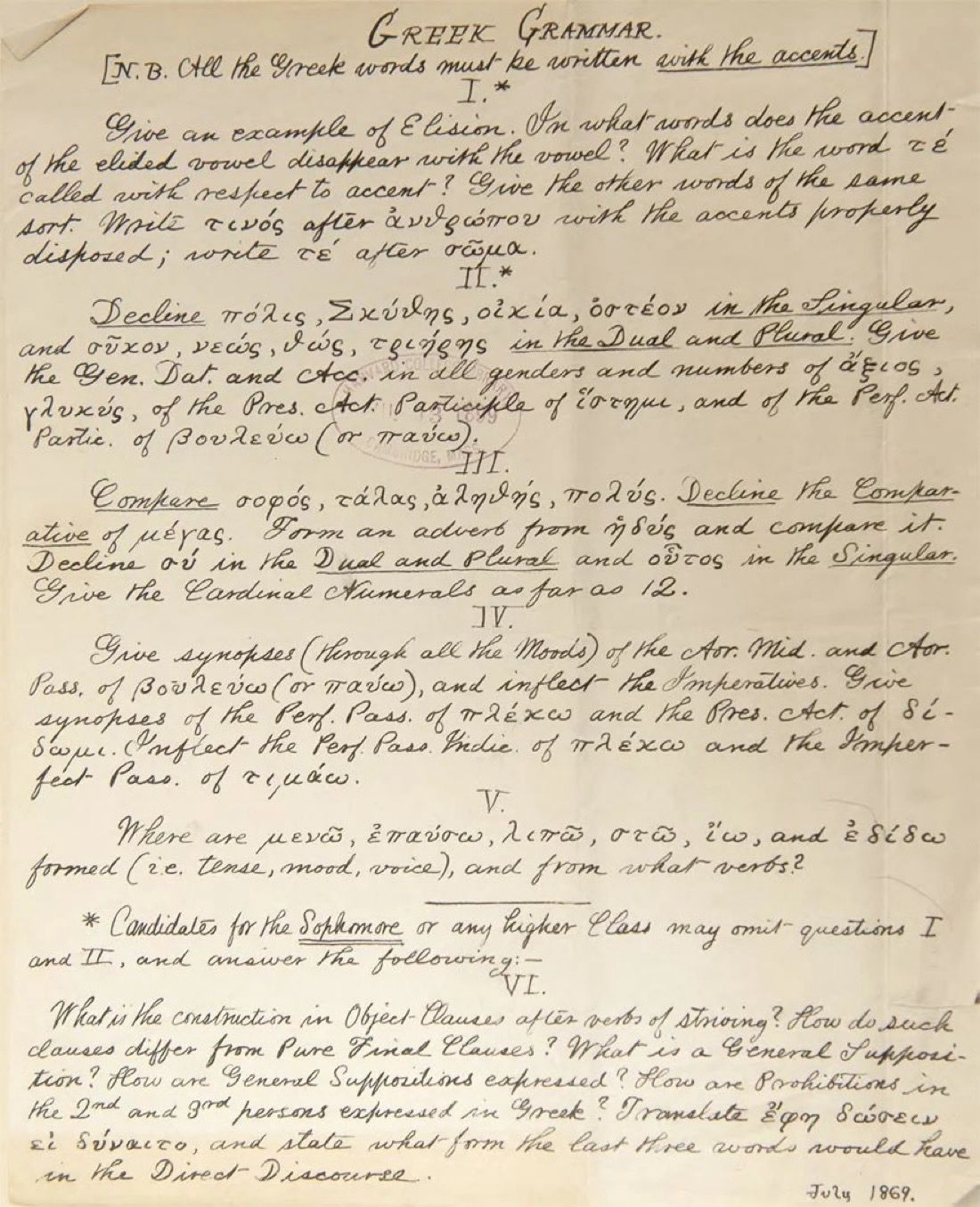
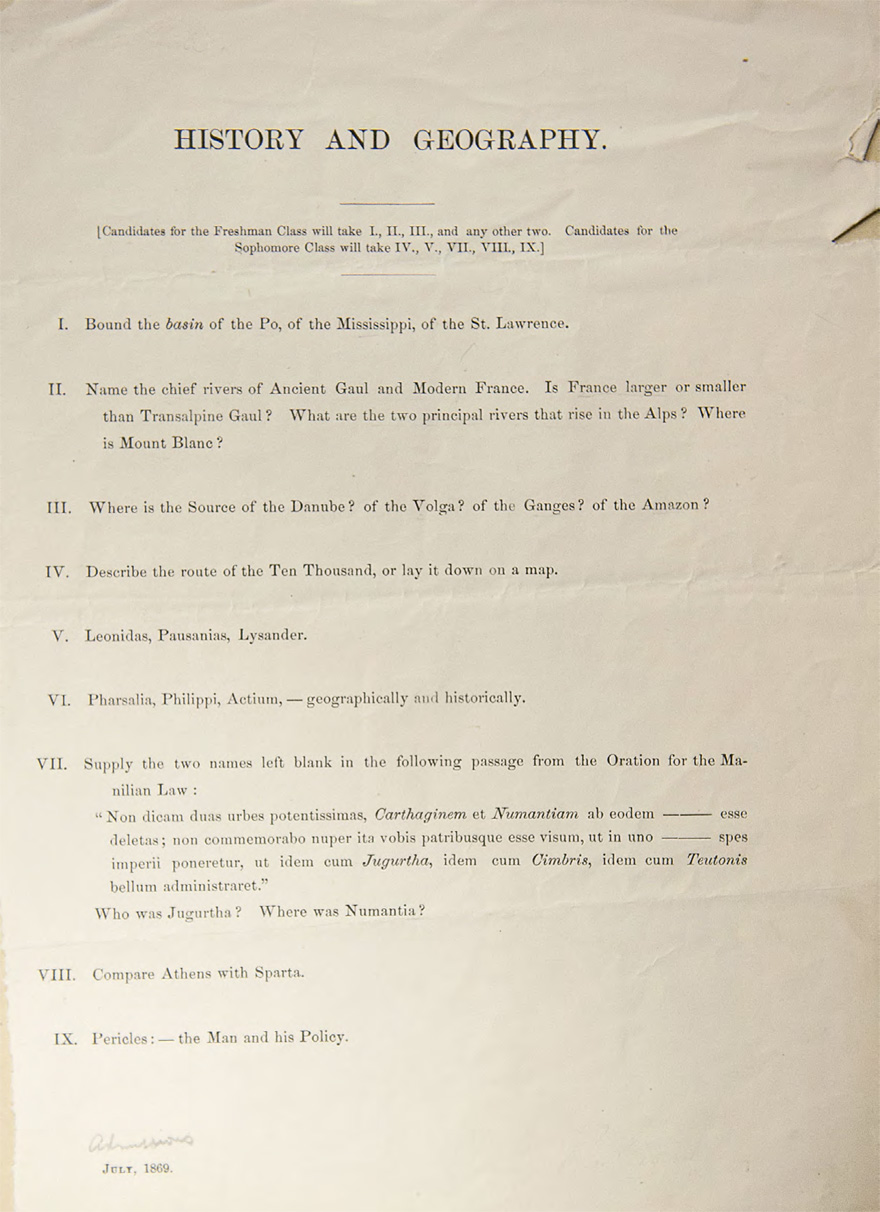
In 2025, Har­vard once again began ask­ing appli­cants to sub­mit an SAT or ACT score. This was a rever­sal of the no-test-nec­es­sary pol­i­cy that it and quite a few oth­er Amer­i­can col­leges and uni­ver­si­ties adopt­ed dur­ing the COVID-19 pan­dem­ic. To some observers of high­er edu­ca­tion, the dis­ap­pear­ance of the stan­dard­ized-test require­ment came as a shock, though in a sense, it was­n’t with­out prece­dent. Until the mid-nine­teen-tens, Har­vard had appli­cants take its own entrance exam, since no stan­dard­ized test exist­ed. One exam­ple from 1869, which you can see here, eval­u­at­ed stu­dents on their pro­fi­cien­cy in Latin, Greek, his­to­ry and geog­ra­phy, arith­metic, alge­bra, and plane geom­e­try.

The idea was­n’t so much to eval­u­ate the test-tak­er’s rea­son­ing abil­i­ties as to make sure he’d already under­gone the expect­ed edu­ca­tion for his class. Even so, as the New York Times’ Ali­son Leigh Cow­an notes, “col­leges occa­sion­al­ly allowed prospects to cor­rect defi­cien­cies as a con­di­tion of admis­sion.”

This reflects the very dif­fer­ent role high­er edu­ca­tion played in Amer­i­can life a cen­tu­ry and a half ago than it does today: back then, Har­vard admit­ted 185 out of 210 appli­cants; last year, it admit­ted 1,968 out of 57,435. As the coun­try indus­tri­al­ized, col­leges and uni­ver­si­ties changed accord­ing­ly: exist­ing ones grew, many new ones appeared, and a greater and greater per­cent­age of stu­dents sub­mit­ted to a process sur­round­ing ter­tiary edu­ca­tion that even­tu­al­ly came to seem machine-like itself.

BERJAYA

To col­lege-apply­ing stu­dents today, the 1869 entrance exam may not look entire­ly unfa­mil­iar, at least to the extent that it asks ques­tions about math­e­mat­ics. Chances are, how­ev­er, that no cur­rent Har­vard hope­ful, no mat­ter how intel­li­gent, could actu­al­ly pass the test, giv­en the weight it places on clas­si­cal lan­guages. Through­out the nine­teenth cen­tu­ry and up until World War I, all young gen­tle­men got an edu­ca­tion in Latin and ancient Greek. But when both start­ed to van­ish from col­lege-admis­sions exams, espe­cial­ly after the SAT grew dom­i­nant in the nine­teen-for­ties, so did the imme­di­ate incen­tive to learn them. Reflect though that does the exi­gen­cies of a rapid­ly chang­ing tech­no­log­i­cal soci­ety, it also makes one won­der how much some­one with no grasp of Latin or Greek real­ly under­stands Eng­lish: a ques­tion to which the col­lege stu­dents of recent decades pro­vide dispir­it­ing answers.

Relat­ed Con­tent:

Har­vard Lets You Take 133 Free Online Cours­es: Explore Cours­es on Jus­tice, Amer­i­can Gov­ern­ment, Lit­er­a­ture, Reli­gion, Comp­Sci & More

This Is What an 1869 MIT Entrance Exam Looks Like: Could You Have Passed the Test?

Can You Pass This Test Orig­i­nal­ly Giv­en to 8th Graders Liv­ing in Ken­tucky in 1912?

W.H. Auden’s 1941 Syl­labus Asked Stu­dents to Read 32 Great Lit­er­ary Works, Total­ing 6,000 Pages

Teacher Calls Jacques Derrida’s Col­lege Admis­sion Essay on Shake­speare “Quite Incom­pre­hen­si­ble” (1951)

Carl Sagan’s Syl­labus & Final Exam for His Course on Crit­i­cal Think­ing (Cor­nell, 1986)

Based in Seoul, Col­in Marshall writes and broad­casts on cities, lan­guage, and cul­ture. He’s the author of the newslet­ter Books on Cities as well as the books 한국 요약 금지 (No Sum­ma­riz­ing Korea) and Kore­an Newtro. Fol­low him on the social net­work for­mer­ly known as Twit­ter at @colinmarshall.

More in this category... »
Quantcast