close
BERJAYA


Visit the Museum of Endangered Sounds, and Experience a Blast from Technology’s Past

As gear­heads go, Bren­dan Chil­cut­t’s a pret­ty sen­ti­men­tal guy, and not just because he signs his cor­re­spon­dence with “love.” In Jan­u­ary, 2012, he found­ed the Muse­um of Endan­gered Sounds to keep out­mod­ed tech­nol­o­gy’s most icon­ic nois­es from van­ish­ing from the col­lec­tive mem­o­ry. Click on any image in the muse­um’s online col­lec­tion to be trans­port­ed in the Prous­t­ian sense.

Some of the exhibits—a man­u­al type­writer, a rotary phone—were already amply pre­served, thanks to a pro­lif­er­a­tion of cin­e­mat­ic appear­ances in their hey­day.

Oth­ers might well have slipped away unno­ticed, if not for Chil­cut­t’s cura­to­r­i­al efforts. Remem­ber that num­ber you could call to have a record­ed voice inform you of the cor­rect time? How about the sta­t­ic of an ana­log TV tuned to an emp­ty sta­tion? The hum of a mal­func­tion­ing Dis­c­man, the chirp of a Tamagotchi…wait, what’s that I hear? The dis­con­cert­ing whoosh of time speed­ing up?

Drown it out by acti­vat­ing all thir­ty exhibits at once. Let them sound their bar­bar­ic yaw­ps simul­ta­ne­ous­ly as the kids try to fig­ure out what that rack­et is.

h/t goes to @sheerly

Relat­ed Con­tent:

“Glitch” Artists Com­pose with Soft­ware Crash­es and Cor­rupt­ed Files

40 Great Film­mak­ers Go Old School, Shoot Short Films with 100 Year Old Cam­era

How Film Was Made: A Kodak Nos­tal­gia Moment

Ayun Hal­l­i­day is still try­ing to text on a cell phone from 2003

Drift: Passenger Shoots Striking Short Film Out of Airplane Window

Film­mak­er Tim Sessler got a lit­tle bored on his flight from San Fran­cis­co to Salt Lake City, to Philadel­phia. He says: “After read­ing through the in-flight mag­a­zine, the Sky Mall and the air­plane secu­ri­ty details from front to back, upside down and back­wards, I felt it was the right moment to pull out my cam­era” and start tak­ing aer­i­al footage of the cross-coun­try voy­age. The cam­era? It’s a Canon 5d mk3 with a 24–105mm and Nikon 50mm 1.2 lens (Tim tells us).  The chal­lenge? To keep the cam­era sta­ble, using his knee, the seat, the win­dow, etc., “while avoid­ing any vibra­tion that would cre­ate some nasty rolling-shut­ter-wob­ble.” A good deal more sta­bi­liza­tion took place in post-pro­duc­tion. When you’re done watch­ing Drift, you can check out Sessler’s pri­or attempt at shoot­ing aer­i­al art here.

via Mefi

by | Permalink | Make a Comment ( 8 ) |

Watch David Bowie’s New Video for ‘The Stars (Are Out Tonight)’ With Tilda Swinton

This week David Bowie released the sec­ond sin­gle from his upcom­ing album, The Next Day. It’s called “The Stars (Are Out Tonight),” and the accom­pa­ny­ing video (shown above) builds on Bowie’s life­long explo­ration of androg­y­ny.

Bowie is joined in the minia­ture film by actress Til­da Swin­ton, who plays his wife, and the mod­els Andrej Pejic and Sask­ia De Brauw, who play a pair of young celebri­ties who mock and tor­ment the aging cou­ple. Swin­ton looks like Bowie, and Pejic and DeBrauw look like Bowie and Swin­ton.

The sto­ry “cap­tures a twen­ty first cen­tu­ry moment in its con­ver­gence of age, gen­der and the normal/celebrity divide,” accord­ing to a state­ment post­ed ear­li­er this week on Bowie’s Face­book page. It was direct­ed by the Ital­ian-born film­mak­er Flo­ria Sigis­mon­di, a pro­lif­ic music video mak­er best known for her 2010 fea­ture film, The Run­aways.

The Next Day will be released on March 12. To learn more about it and to watch the first video from the album, see our post from last month, “David Bowie Cel­e­brates 66th Birth­day with First New Song in a Decade, Plus Vin­tage Videos.”

Relat­ed Con­tent:

The Sto­ry of Zig­gy Star­dust: How David Bowie Cre­at­ed the Char­ac­ter that Made Him Famous

How “Space Odd­i­ty” Launched David Bowie to Star­dom: Watch the Orig­i­nal Music Video From 1969

Backed by 157 Musi­cians, Beck Reimag­ines David Bowie’s 1977 Clas­sic, “Sound and Vision”

Take a Virtual Tour of the 1913 Exhibition That Introduced Avant-Garde Art to America

armory show

One hun­dred years ago, Amer­i­ca had only just begun talk­ing about “avant garde” art. Before the famous “Armory Show,” no one was even using the term; after it, Unit­ed States’ art-watch­ers had many rea­sons to. It’s what they saw on dis­play at the exhi­bi­tion, mount­ed by two dozen artists entire­ly with­out pub­lic fund­ing. Prop­er­ly called The Inter­na­tion­al Exhi­bi­tion of Mod­ern Art, the show got its pop­u­lar name by start­ing out in the 69th Reg­i­ment Armory on Lex­ing­ton Avenue in New York. It then moved to Chica­go and Boston, pro­vok­ing shock, dis­missal, and some­times even appre­ci­a­tion across the East Coast and Mid­west. A lit­tle Van Gogh, Gau­guin, Cezanne, Picas­so, Matisse, and Duchamp can do that to you.

Or at least, they do that to you if you live in 1913 and have nev­er seen such bold destruc­tion and rein­ven­tion of visu­al art’s estab­lished forms. To mark the Armory Show’s cen­ten­ni­al, the Art Insti­tute of Chica­go has recre­at­ed its view­ing expe­ri­ence on the web. There you can explore the gal­leries as Chicagoans actu­al­ly saw them a cen­tu­ry ago, albeit in black-and-white. The site also pro­vides much in the way of con­text, offer­ing arti­cles on the exhi­bi­tion’s gen­e­sis, pro­gram notes, lega­cy, and more. You can learn more about the impact of the Armory Show in this recent NPR piece, which quotes Muse­um of Mod­ern Art cura­tor Leah Dick­er­man on the sub­ject: “It’s this moment in time, 100 years ago, in which the foun­da­tions of cul­tur­al prac­tice were total­ly reordered in as great a way as we have seen. And that this marks a reorder­ing of the rules of art-mak­ing — it’s as big as we’ve seen since the Renais­sance.”

via @coudal

Relat­ed con­tent:

Watch Icon­ic Artists at Work: Rare Videos of Picas­so, Matisse, Kandin­sky, Renoir, Mon­et, Pol­lock & More

Free: The Guggen­heim Puts 65 Mod­ern Art Books Online

Down­load Hun­dreds of Free Art Cat­a­logs from The Met­ro­pol­i­tan Muse­um of Art

MoMA Puts Pol­lock, Rothko & de Koon­ing on Your iPad

Col­in Mar­shall hosts and pro­duces Note­book on Cities and Cul­ture and writes essays on lit­er­a­ture, film, cities, Asia, and aes­thet­ics. He’s at work on a book about Los Ange­les, A Los Ange­les Primer. Fol­low him on Twit­ter at @colinmarshall.

Short Documentary, How Do You Solve a Problem Like Lolita?, Psychoanalyzes Vladimir Nabokov

Here’s a flawed but fas­ci­nat­ing lit­tle film about the life of Vladimir Nabokov, exam­ined through the prism of his most famous book.

How Do You Solve a Prob­lem Like Loli­ta? first aired on British tele­vi­sion in 2009. The host is Stephen Smith, a cul­ture cor­re­spon­dent for BBC News­night. We don’t know the rest of Smith’s resume, but in watch­ing the doc­u­men­tary we get the feel­ing he may have picked up a lit­tle of his jour­nal­is­tic sen­si­bil­i­ty from the British tabloids.

The prob­lem referred to in the title is the sense–at least among Smith’s friends–that there is some­thing “per­vy” about Nabokov’s 1955 nov­el, Loli­ta, and that this rais­es cer­tain ques­tions about the author’s own sex­u­al pen­chants. “Was it a moral­i­ty play,” Smith asks at the out­set, “or the fan­ta­sy of a dirty old man?”

It’s a con­temptible point of depar­ture. But How Do You Solve a Prob­lem Like Loli­ta? man­ages to be worth­while in spite of itself. It’s filled with inter­est­ing old footage of Nabokov talk­ing about him­self and his work, as well as con­tem­po­rary footage of the writer’s old haunts in Rus­sia, Amer­i­ca and Switzer­land. The film is a kind of trav­el­ogue. Watch­ing it is like tak­ing a one-hour tour through a fas­ci­nat­ing land­scape with an ami­able but slight­ly annoy­ing guide.

Relat­ed Con­tent: 

Vladimir Nabokov Mar­vels Over Dif­fer­ent “Loli­ta” Book Cov­ers

Vladimir Nabokov (Chan­nelled by Christo­pher Plum­mer) Teach­es Kaf­ka at Cor­nell

Nabokov Reads Loli­ta, Names the Great Books of the 20th Cen­tu­ry

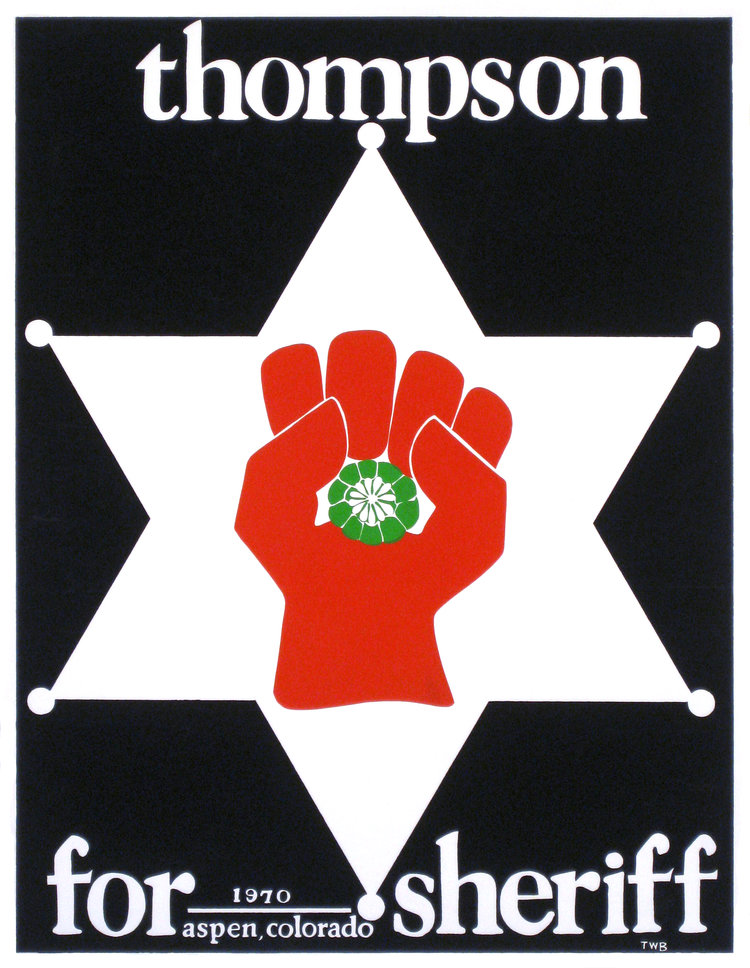
Hunter S. Thompson Runs for Aspen, Colorado Sheriff on the “Freak Power” Platform (1970)

In 1970, Hunter S. Thomp­son was look­ing to become the new sher­iff in town — the town being Aspen, Col­orado. In a heat­ed elec­tion, Thomp­son ran against a tra­di­tion­al, con­ser­v­a­tive can­di­ate, Car­rol Whit­mire, on what he called the “freak pow­er” plat­form, which most­ly called for the legal­iza­tion of mar­i­jua­na and uncon­ven­tion­al envi­ron­men­tal pro­tec­tions.

As Thomp­son lat­er explained in his essay “Freak Pow­er in The Rock­ies,” hun­dreds of Haight-Ash­bury refugees moved to Aspen after the ill-fat­ed “Sum­mer of Love” in 1967, and they became part of the gen­er­al pop­u­la­tion. In the town, reg­is­tered Repub­li­cans his­tor­i­cal­ly out­weighed reg­is­tered Democ­rats by a two-to-one mar­gin.

But both camps were out­weighed by inde­pen­dents, which includ­ed “a jan­gled mix of Left/Crazies and Birchers; cheap big­ots, dope deal­ers, nazi ski instruc­tors and spaced off ‘psy­che­del­ic farm­ers’ with no pol­i­tics at all beyond self-preser­va­tion,” remem­bers Thomp­son. So, win­ning an elec­tion came down to reg­is­ter­ing indie vot­ers and get­ting them to the polls — some­thing that was eas­i­er said than done, it turns out.

BERJAYA

In the short term, Hunter S. Thomp­son lost the “Bat­tle of Aspen” by 300–500 votes, depend­ing on whose accounts you read. In the long-term, he arguably won. 42 years after Thomp­son made the legal­iza­tion of mar­i­jua­na his cen­tral cam­paign promise, Col­orado vot­ers passed Amend­ment 64, legal­iz­ing mar­i­jua­na for recre­ation­al use. Some­where, the would-be gonzo politi­cian is smil­ing.

Relat­ed Con­tent:

Hunter S. Thomp­son Inter­views Kei­th Richards, and Very Lit­tle Makes Sense

Hunter S. Thomp­son Calls Tech Sup­port, Unleash­es a Tirade Full of Fear and Loathing (NSFW)

John­ny Depp Reads Let­ters from Hunter S. Thomp­son (NSFW)

by | Permalink | Make a Comment ( 3 ) |

See Jimi Hendrix’s First TV Appearance, and His Last as a Backing Musician (1965)

After Jimi Hendrix’s dis­charge from the army, he earned his liv­ing as a trav­el­ing musi­cian on the so-called Chitlin’ Cir­cuit—the cir­cuit of venues through­out the seg­re­gat­ed South that booked black musi­cians. Hen­drix backed such giants of R&B, soul, and elec­tric blues as Wil­son Pick­ett and Sam Cooke, and dur­ing those ear­ly years with his own band the King Casu­als, the Nashville scene he’d set­tled into, and the cir­cuit gigs, he per­fect­ed the styl­is­tic quirks and stunts that would make him world famous just a few years later—playing right-hand­ed gui­tars upside down as a lefty, play­ing solos with his teeth and behind his head—often to the irri­ta­tion of his band­mates and employ­ers. He want­ed to do his own thing, but he paid his dues, jam­ming with and learn­ing from some of the top acts in ear­ly rock & roll while Eric Clap­ton and Kei­th Richards were lis­ten­ing to those same groups on the radio, painstak­ing­ly copy­ing their sound.

After near­ly two years on the cir­cuit, the rest­less and flam­boy­ant young Hen­drix, chaf­ing under the direc­tion of strict band­lead­ers, final­ly had enough of Ten­nessee and moved to Harlem to strike out on his own, but he still worked as a side­man: he record­ed with the Isley Broth­ers, toured with Lit­tle Richard, and in 1965, he made his first ever TV appear­ance with a pair of Long Island singers named Bud­dy and Sta­cy on Nashville’s Chan­nel 5 pro­gram Night Train, doing the Junior Walk­er & the All Stars top-ten hit “Shot­gun.” In the video above you can see Hen­drix (to the right of the drum­mer), groov­ing behind the fop­pish­ly-dressed vocal duo. Note how his moves are out of sync with the rest of the band, all right-hand­ed play­ers. Note how his pom­padour is slight­ly unkempt. Note, if you watch close­ly, his right hand trav­el­ing up and down the neck of his gui­tar, pulling off some killer runs—in a song that stays on one note for the duration—even while stuck behind the action.


This per­for­mance marks one of the last times Hen­drix would stand in the shad­ows of oth­er band­lead­ers. After work­ing steadi­ly in the stu­dio as a ses­sion play­er in 1966, he formed his own band, the Blue Flame (as Jim­my James), and took up res­i­dence at the his­toric Café Wha? in Green­wich Vil­lage (where my father saw him play, he tells me, and was floored, hav­ing no idea who the guy was). ’66 is the year Hen­drix ful­ly crossed over (some said sold out; some said sold his soul) from the soul/R&B cir­cuit to main­stream rock & roll suc­cess. He wouldn’t crack the U.S. until his leg­endary appear­ance at the Mon­terey Pop Fes­ti­val in June of 1967, but after form­ing the Jimi Hen­drix Expe­ri­ence in late ’66, he wowed audi­ences in Europe with his first sin­gle “Hey Joe,” and appeared on UK TV shows Ready Steady Go! and Top of the Pops. Three months before Mon­terey, the band appeared on pop­u­lar Ger­man TV pro­gram Beat Club. Check out their per­for­mance above, doing “Hey Joe” and “Pur­ple Haze.” Hen­drix doesn’t set any fires, but he does get in a solo with his teeth.

Relat­ed Con­tent:

Pre­vi­ous­ly Unre­leased Jimi Hen­drix Record­ing, “Some­where,” with Bud­dy Miles and Stephen Stills

‘Elec­tric Church’: The Jimi Hen­drix Expe­ri­ence Live in Stock­holm, 1969

Hen­drix Plays Sgt. Pepper’s Lone­ly Hearts Club Band

Josh Jones is a writer, edi­tor, and musi­cian based in Wash­ing­ton, DC. Fol­low him @jdmagness

Physical Attraction: Marriage Proposal Comes in the Form of a Physics Paper

physics marriage proposal

On red­dit, a user wrote yes­ter­day, “My boyfriend of 7 years and I are both physi­cists. Here’s how he pro­posed to me.” Yes, the mar­riage pro­pos­al is a physics paper of sorts, called “Two Body Inter­ac­tions: A Lon­gi­tu­di­nal Study,” that con­cludes:

The sum­ma­ry of the find­ings of the study are pre­sent­ed in Fig­ure 1 and that that the project hap­pi­ness is upward with high con­fi­dence. Tak­ing these results into account, the author pro­pos­es to Christie the indef­i­nite con­tin­u­a­tion of the study. The sub­jects response to their pro­pos­al should be indi­cat­ed below [by check­ing the “Yes” or “No” box].

Bren­dan McMoni­gal and Christie Nelan (pic­tured here) met at the Uni­ver­si­ty of Syd­ney sev­en years ago. They will tie the knot this com­ing May, and we hope you’ll wish them the best.…

via Boing­Bo­ing and @stevesilberman

by | Permalink | Make a Comment ( 2 ) |

More in this category... »
Quantcast