

Inside the race to save wild axolotls
Lake Xochimilco in Mexico City is the only place where axolotls live in the wild. In a 2025 story, we explore the growing threats they face.
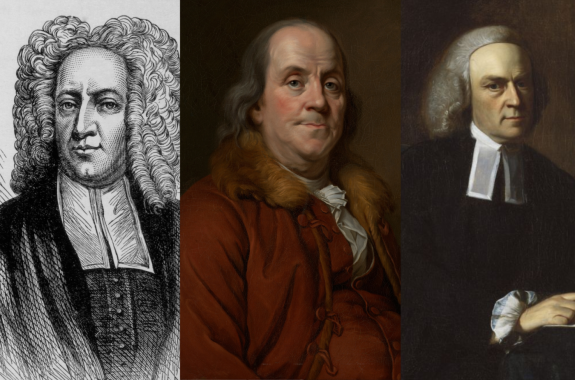
What was science like in America 250 years ago?
Sure, the American colonies had Benjamin Franklin and his kite. But many other natural philosophers were thinking big thoughts about the world.
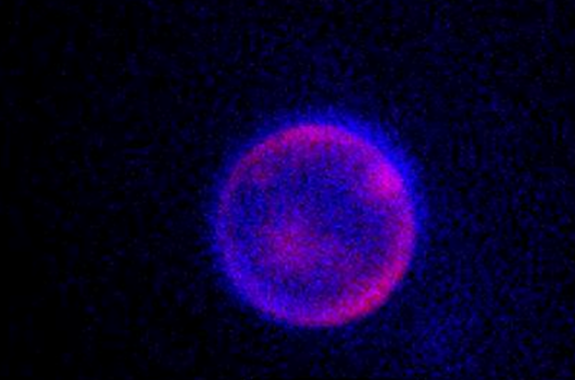
An artificial cell eats, grows, and reproduces. Is it alive?
Researchers have engineered an artificial cell, hoping to build a customizable chassis for chemical production.
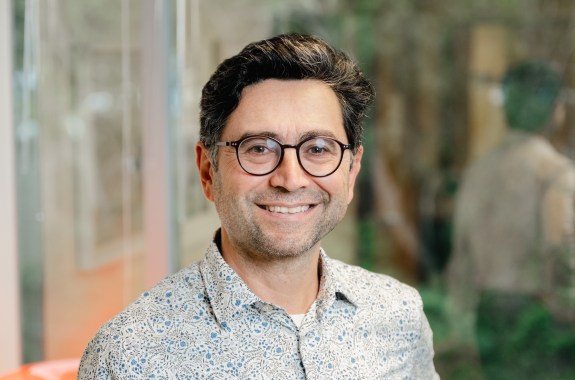
Even Nobel Prize winners deal with imposter syndrome
In a story from 2025, neuroscientist Ardem Patapoutian discusses immigrating to the U.S., finding belonging, and pioneering touch research.
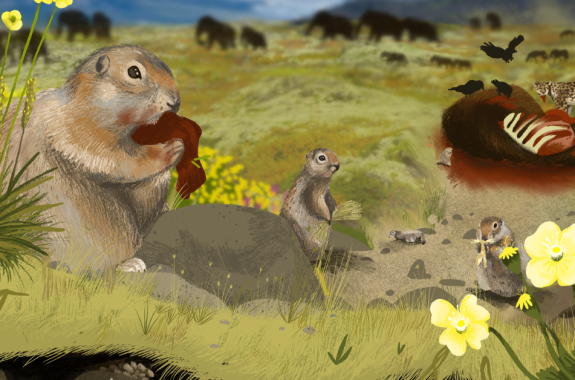
Squirrel poop drops Ice Age clues + The neuroscience of laughter
Ancient squirrel poop provides a snapshot of life during the last ice age. And, how different types of laughter originate in the brain.
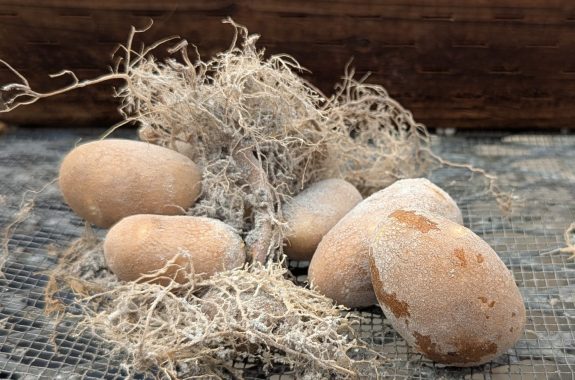
Growing lunar potatoes + Dealing with razor-sharp moon dust
As NASA prepares for long-term moon bases, scientists are working on how to grow food in lunar soil and deal with razor-sharp moon dust.
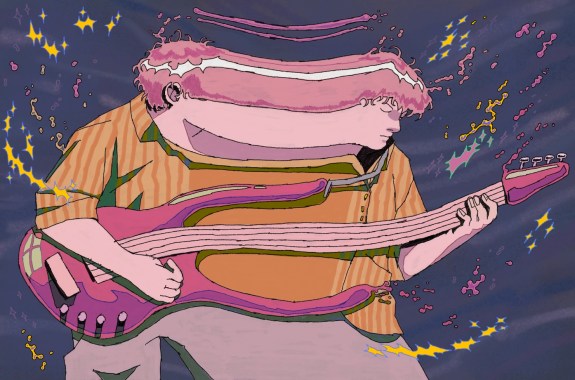
Investigating ‘flow state’ with the bassist from Phish
In a 2025 story, Phish bassist Mike Gordon explains his work with neuroscientists to explore the transcendent experience of musical flow state.
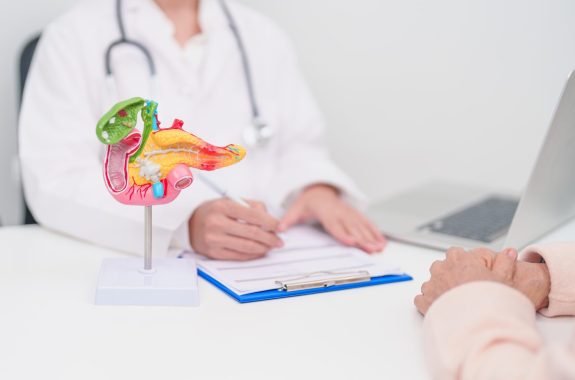
Promising new treatments for pancreatic cancer and ALS
A new pancreatic cancer drug doubles survival times. And a new treatment for a rare form of ALS slows and improves some patients’ symptoms.
That chlorine smell at the pool? It’s pee
The chlorine in swimming pools reacts with our urine and sweat, producing volatile chemicals that are potentially harmful to breathe.
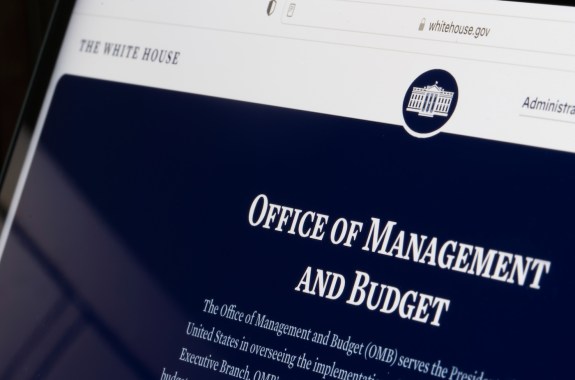
Under proposed rule, science funding must pass political review
The Office of Management and Budget has proposed rule changes to insert a political review step into the scientific grantmaking process.
