He Spent Over 80 Days in Jail After Florida Cops Arrested Him on Faulty Facial Recognition
Police have arrested at least 15 people in recent years based on bad facial recognition hits.


Police have arrested at least 15 people in recent years based on bad facial recognition hits.
Prosecutors in New Jersey must disclose how the technology is used in criminal cases, the state’s Supreme Court ruled.
Police arrested and charged Robert Dillon with a heinous crime based on nothing more than a faulty image search.
America is slipping steadily down the slippery slope to a surveillance state.
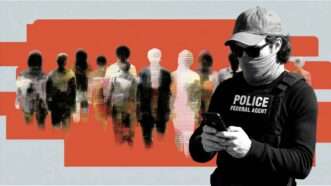
More government agencies are using facial recognition for enforcement than ever before.
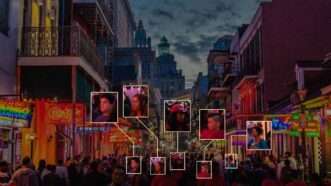
Although the AI-generated surveillance of the public has been paused, the program continues to send automatic alerts to the Louisiana State Police and federal authorities.
This isn't the first time Detroit cops have arrested the wrong person after using facial recognition software.
Two Harvard undergrads give us a glimpse of the surveillance future.
We can't stop technological advancement, but we should limit government misuse of it.
Personal data retained by government or private entities are always at risk of compromise, misuse, or access by law enforcement.
Robert Williams was arrested in 2020 after facial recognition software incorrectly identified him as the person responsible for a Detroit-area shoplifting incident.
X's child porn detection system doesn’t violate an Illinois biometric privacy law, the judge ruled.
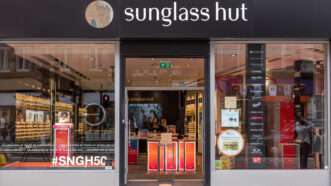
Harvey Murphy was wrongfully arrested for robbing a Sunglasses Hut after facial recognition tech identified him as the robber. The 61-year-old says he was brutally sexually assaulted in jail.
Your Face Belongs to Us documents how facial recognition might threaten our freedom.
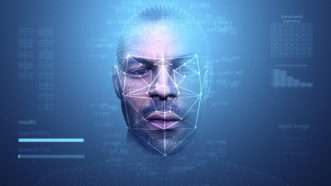
Facial recognition technology is increasingly being deployed by police officers across the country, but the scope of its use has been hard to pin down.
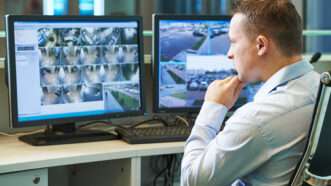
New online database details the shocking extent of intrusive surveillance tech used by American police.
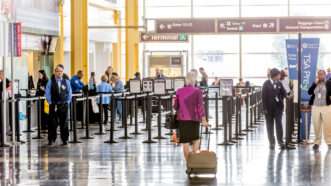
Analysts and lawmakers are concerned about a new TSA program that instructs passengers to insert their IDs into a machine and takes a pictures of them.
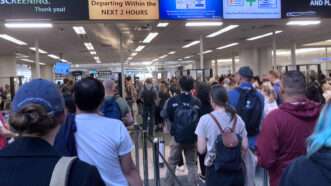
Surveillance tech that isn't banned often becomes mandatory eventually.
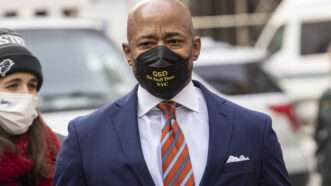
Mayor Eric Adams frets that COVID-19 masks are making it too easy for shoplifters to evade facial recognition.
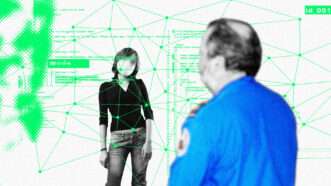
The government is refining its ability to track your movements with little discussion.
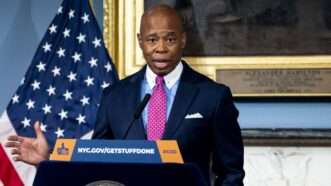
A surveillance state is no less tyrannical when the snoops really believe it's for your own protection.

Kelly Conlon's bizarre experience gives a glimpse into a future with omnipresent facial recognition systems.
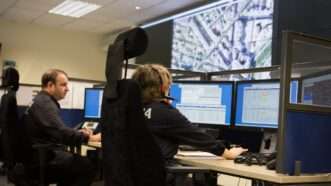
The Atlas of Surveillance lets us monitor the agencies that snoop on the public.
ICE has spent $2.8 billion since 2008 developing surveillance and facial-recognition capabilities, mostly in secrecy and without real oversight.
Cameras and tracking technology purchased to battle COVID-19 will be a lingering affliction.
Facial recognition software can secretly surveil and is subject to error.
Plus: What the U.S. should do about Ukraine, America’s geriatric music market, and more…
Privacy advocates applaud the move.
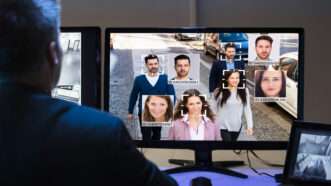
Protecting citizens from intrusive government surveillance is a virtue well worth signaling.

Some agencies don't even know ways their employees are using facial recognition.
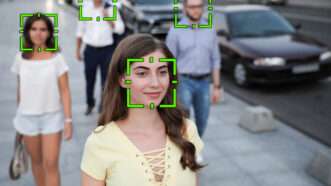
Civil liberties advocates call for a moratorium on federal facial recognition.
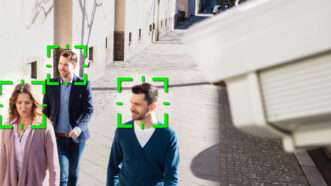
And it's not a moment too soon.
People have only official assurances that the technology isn’t being used to invade their privacy.
The surveillance state is available as a plug-and-play solution for any cop interested in a free trial period.
Databases of involuntarily supplied identities make for a plug-and-play surveillance state.
A sloppy panopticon is almost as dangerous as an effective one.
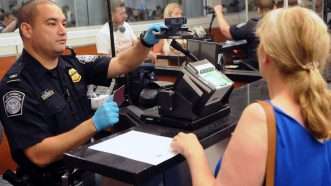
Plus: Biden won't pursue Trump's TikTok and WeChat bans, Mitt Romney's child allowance plan, and more...
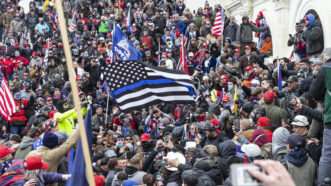
Plus: Happy birthday to Wikipedia, Airbnb's pandemic rebound, and more...

Time to add a hat and sunglasses!
The results of facial recognition software might not be admissible evidence—but the police are allowed to use them to generate admissible evidence.

Defeating surveillance is a powerful argument for covering your face.

The good news is that Boston has just barred law enforcement from using facial recognition technology.
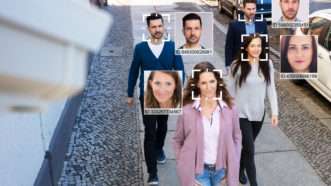
Both companies need to join IBM and others in entirely abandoning the development of this mass surveillance technology.
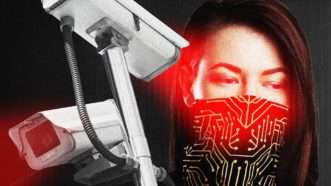
Privacy activists say we should be alarmed by the rise of automated facial recognition surveillance. Transhumanist Zoltan Istvan says it's time to embrace the end of privacy as we know it.
Celebrate your independence with a subscription to Reason magazine, your most trusted source of honest, insightful news and analysis.





