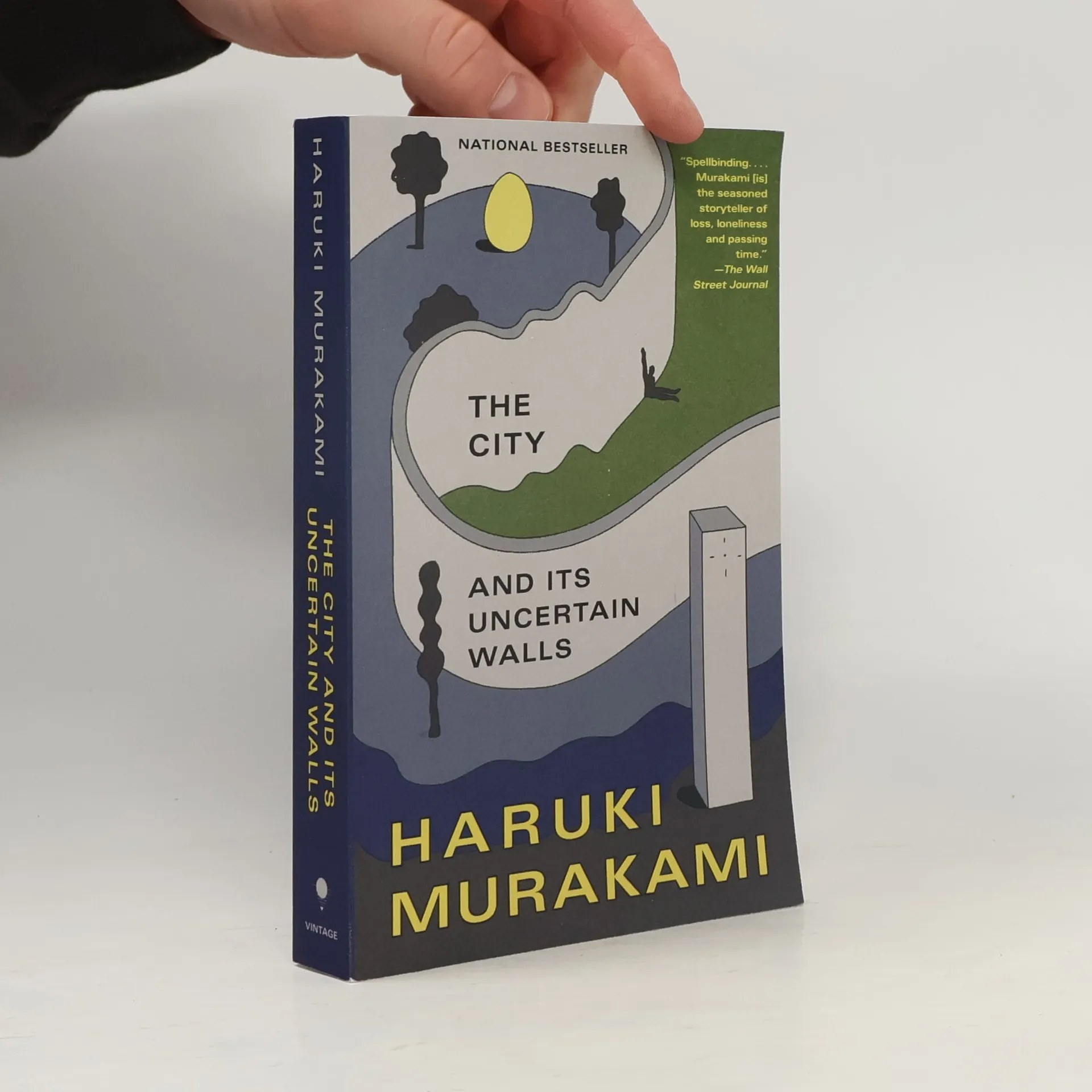
Haruki Murakami je japonský autor, ktorý spája bežnú realitu so surrealistickými motívmi. Romány ako Nórske drevo či Kafka na pobreží skúmajú samotu a vnútorné prázdno postáv. Píše jednoducho, no s jemnou symbolikou a hudobným rytmom. Jeho svet je tichý, zvláštny a plný nečakaných súvislostí.
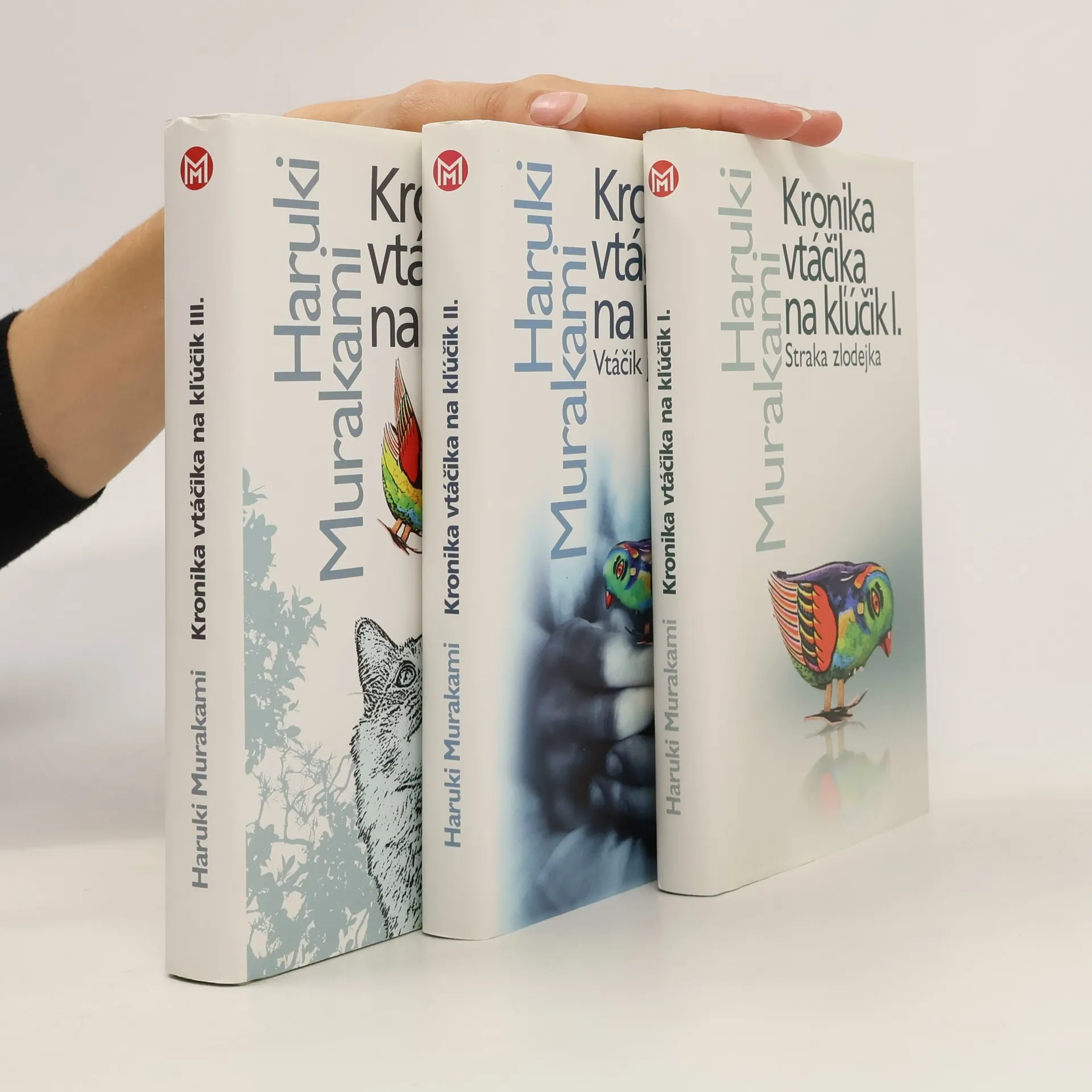
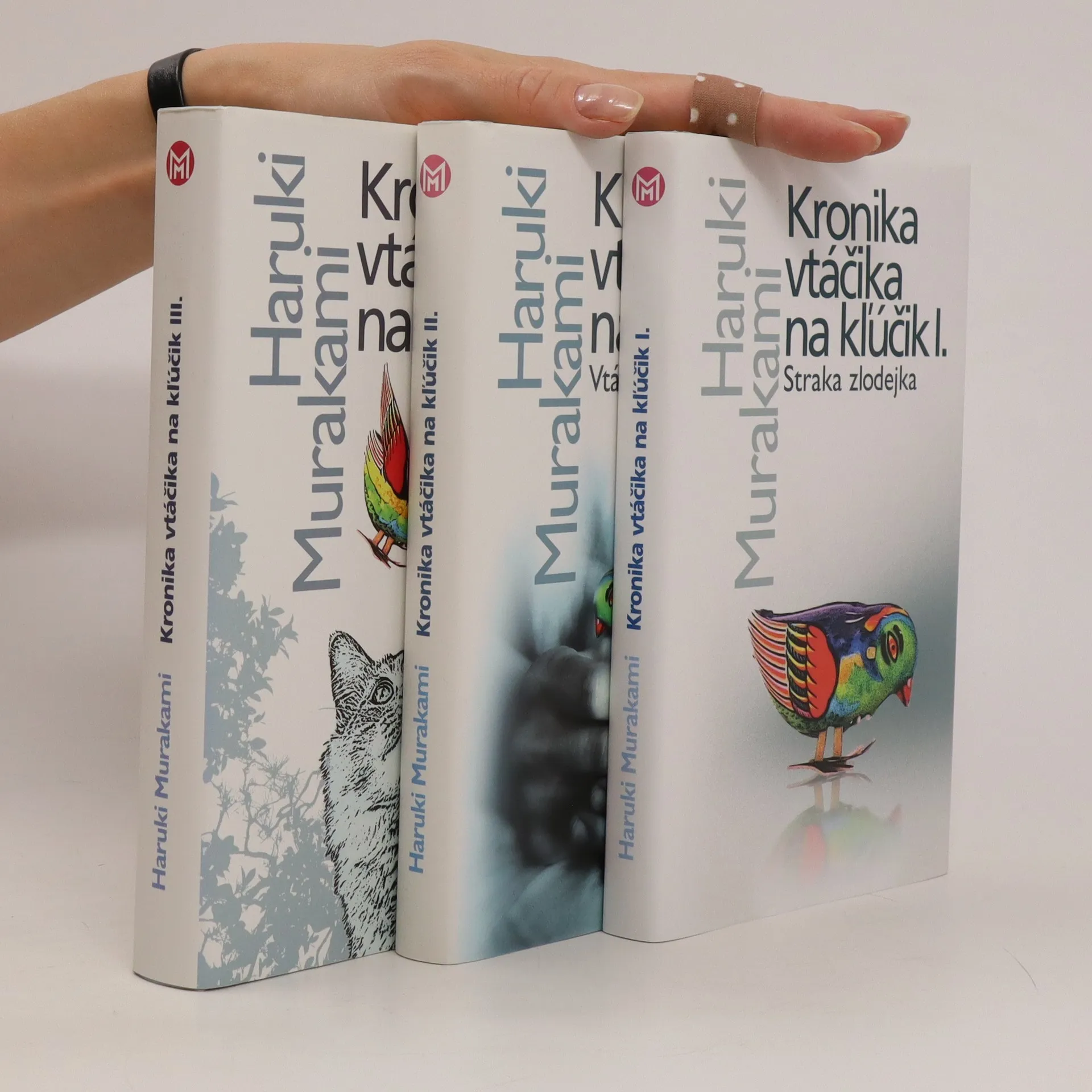
Udalosti v Tóruho živote naberú rýchly spád. Mei Kasaharová mu napíše list z neznámeho miesta, v ktorom ho dôrazne upozorňuje na článok v istom bulvárnom denníku, kde sa píše o tajomnom majiteľovi domu na opustenej parcele poznačenej ľudským nešťastím. Tóru stále hľadá Kumiko, zbližuje sa s ďalšou prapodivnou dvojicou, a do jeho života čoraz nevyberanejšími spôsobmi vstupuje jeho švagor Naboru Wataja, vysokopostavený politik, ktorý sa obáva škandálu. Kumiko je však stále preč, a k Tóruovi sa celkom nečakane vráti stratený kocúr.
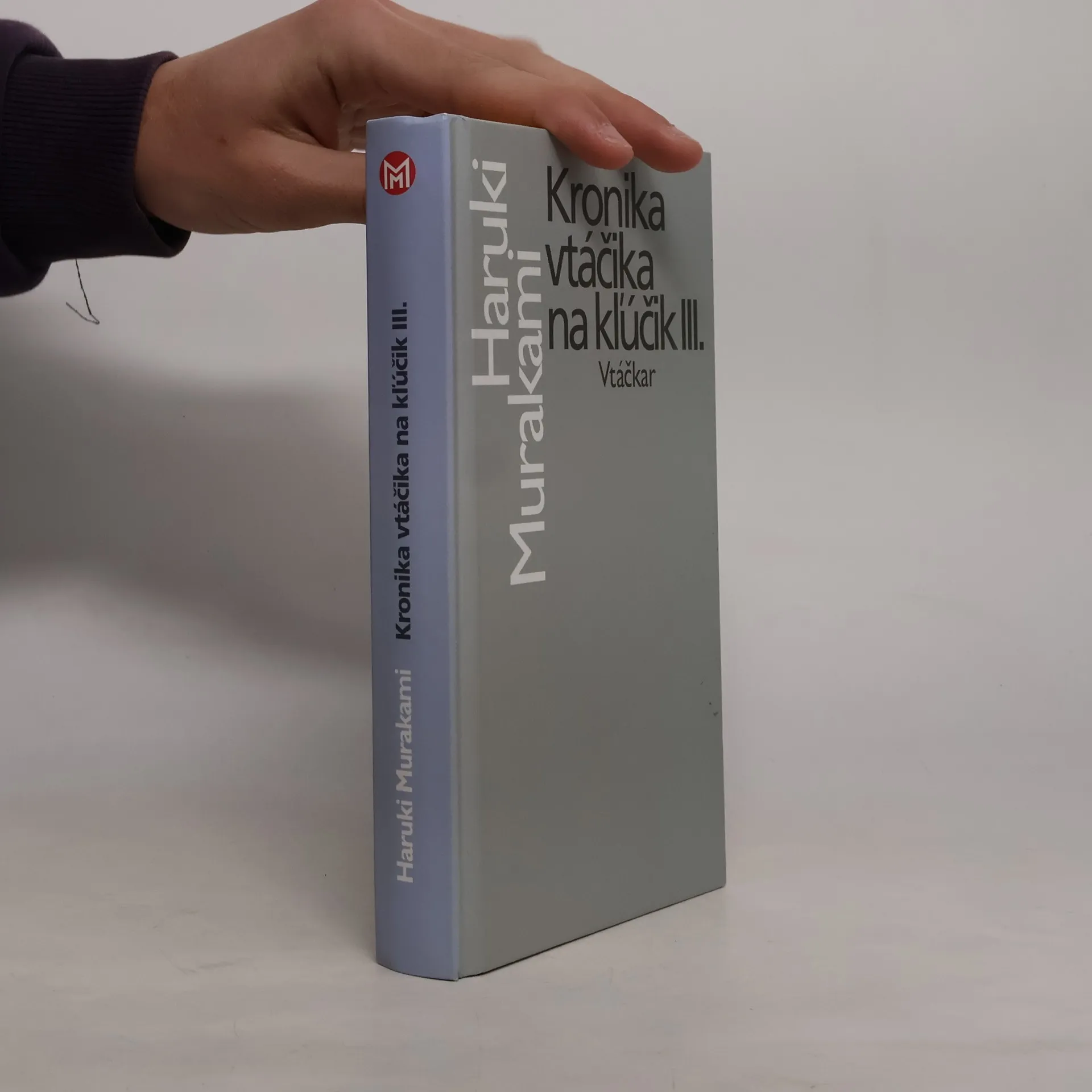
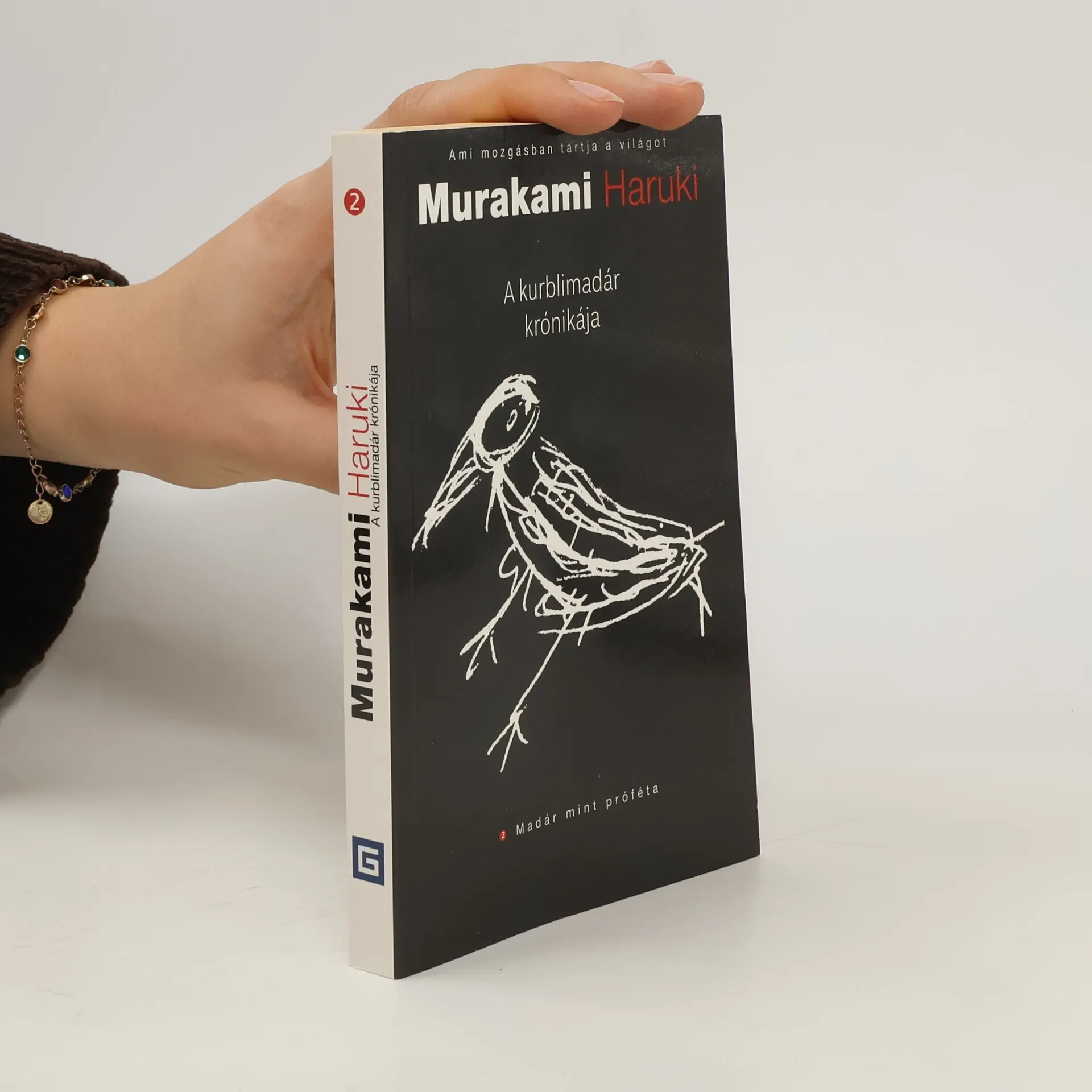
Druhý diel trilógie Kronika vtáčika na kľúčik zachytáva udalosti obdobia štyroch mesiacov po zmiznutí Tóruho manželky Kumiko. Tá sa jedného rána ako obyčajne vydá do práce a nevráti sa domov. Podľa všetkého opustila manžela kvôli inému mužovi, Tóru si však takýto koniec ich na pohľad harmonického vzťahu nedokáže vysvetliť. V zúfalstve ho mimovoľne inšpiruje motív studne, ktorý sa v jeho živote v poslednom čase opakovane objavuje. S úmyslom nerušene porozmýšľať zíde do vyschnutej studne v záhrade neďalekého opusteného domu. Tu sa poriadok jeho sveta drasticky narúša a udalosti nadobúdajú prudký spád...
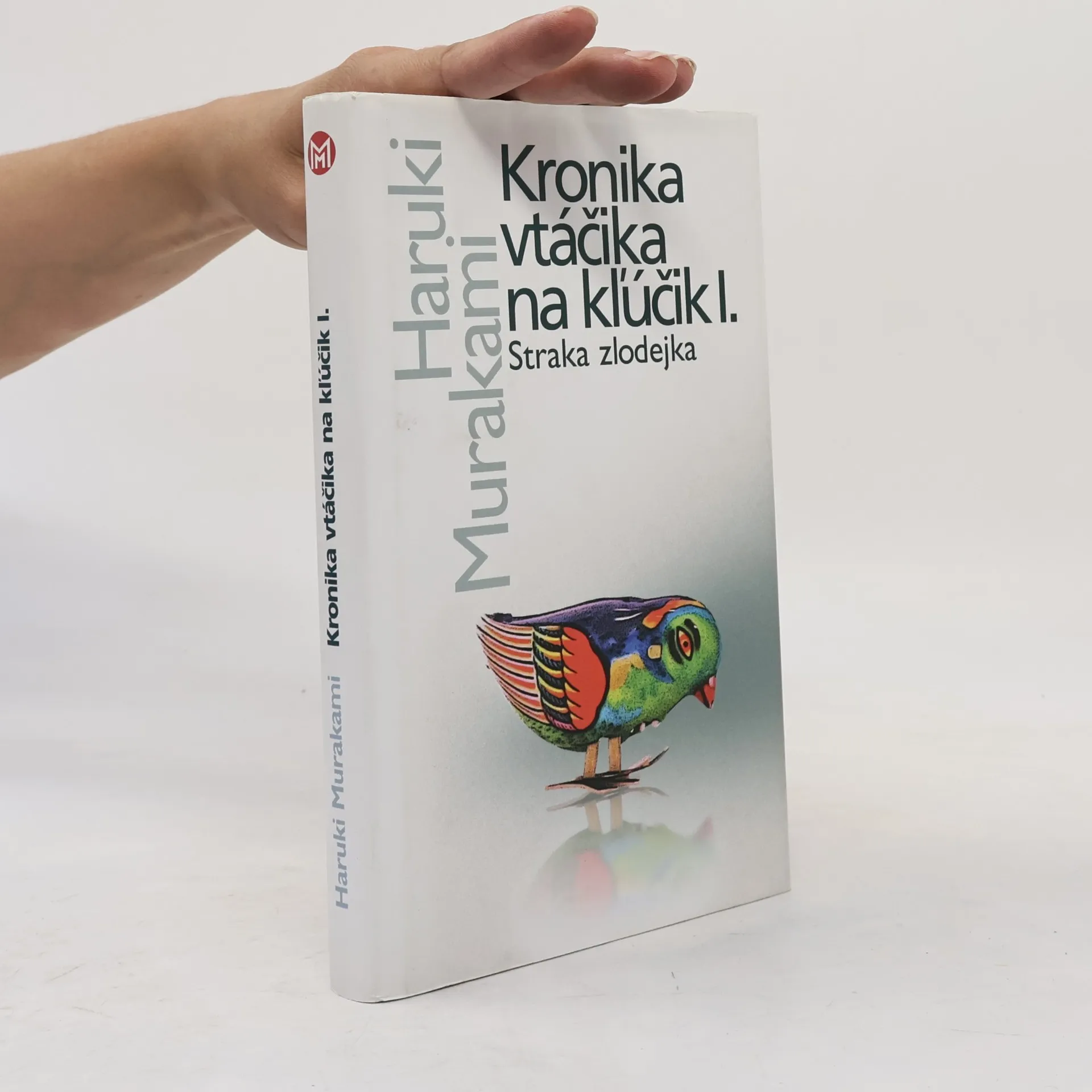
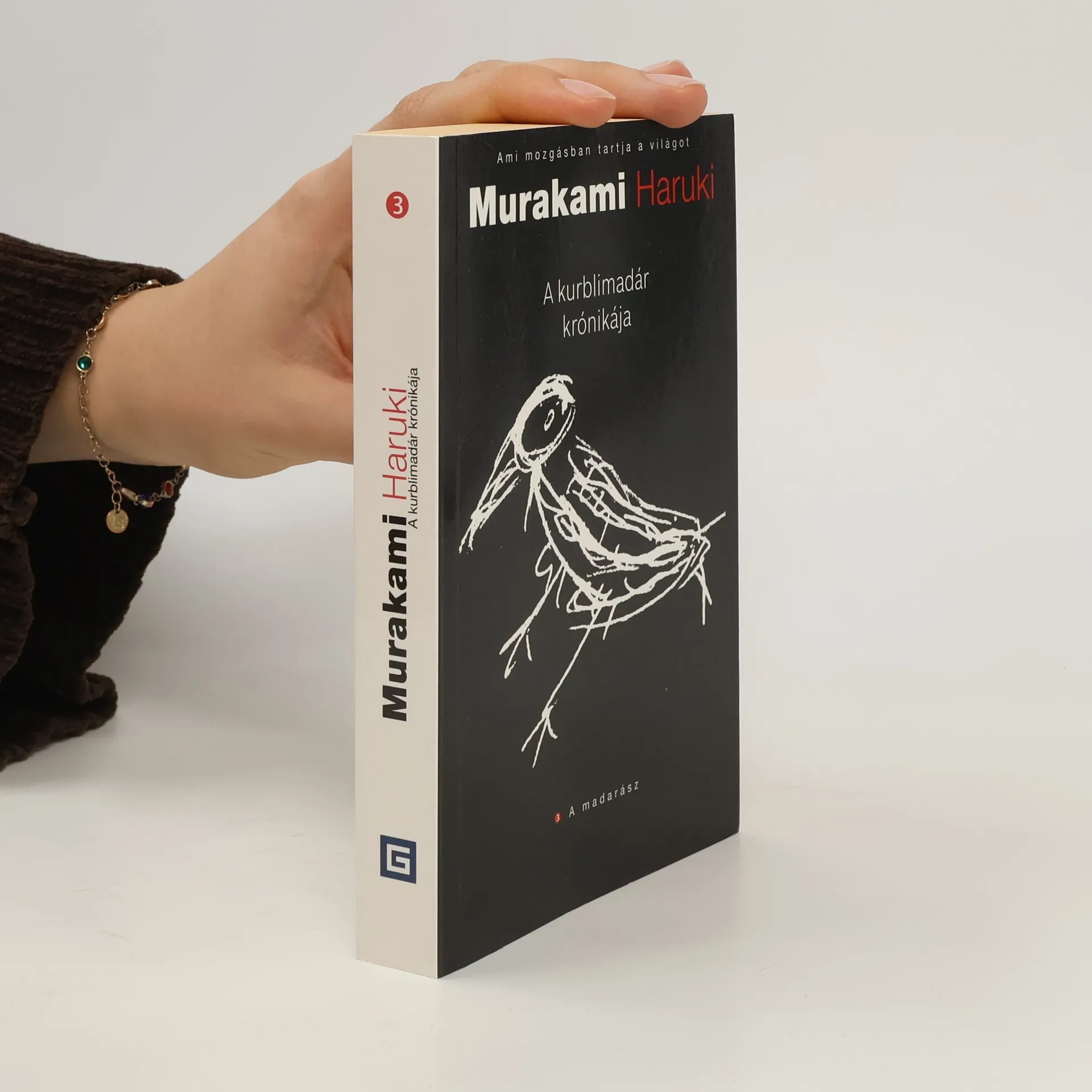
Prvý diel trilógie v súčasnosti najčítanejšieho japonského autora, ktorá bola v roku 1996 vyznamenaná prestížnou Cenou denníka Jomiuri za najlepší román roka. Hrdina románu Tóru Okada rozpráva udalosti, ktoré ho postihujú od chvíle, ako po šiestich rokoch práce v advokátskej kancelárii podal výpoveď, aby získal čas nájsť si svoje životné poslanie. So súhlasom manželky Kumiko, úspešnej redaktorky a ilustrátorky, zostáva dočasne v domácnosti, čím sa mu jeho život, napohľad fádny a priestorovo obmedzený na okolie domu, začne postupne zamotávať. Udalosti nadobudnú prudký spád potom, ako zmizne ich obľúbený kocúr a Tóru ho ide hľadať. Rozjímavosť, váhavosť, nepriebojnosť a pasivita hlavného hrdinu sú v podstate rubom jeho tolerancie a dnes vzácnej schopnosti úprimne načúvať. Tóru takto mimovoľne priťahuje ľudí nevšedných schopností a výnimočných osudov a prežíva s nimi neobyčajné situácie. Tieto však postupne čoraz viac narúšajú jeho zdanlivo pokojný každodenný život a smerujú do osudového konfliktu. Jeho náznakom sa prvý diel trilógie končí. Román je pri všetkej svojej bizarnosti výstižným obrazom japonskej spoločnosti obdobia sociálnej stability začiatku druhej polovice osemdesiatych rokov.
Román Tancuj, tancuj, tancuj je voľným pokračovaním bestsellera Hon na ovcu. Hrdina príbehu sa vracia na Hokkaido, kde pred rokmi zažil dobrodružstvo pri hľadaní tajomnej ovce. Zároveň tam stratil aj svoju priateľku, ktorá bez stopy zmizla z hotela Delfín, a on sa ju teraz usiluje nájsť. Na mieste, kde kedysi stál starý, ošarpaný hotel, dnes stojí moderný, komfortný hotel Delfín. Po zamestnancoch starého hotela však niet ani stopy. Jediným stvorením, ktoré naďalej prežíva v útrobách starého hotela, je Baran. Okrem Barana sa hlavný hrdina sa stretáva s Gotandom, známou filmovou hviezdou. Ich stretnutie nie je náhodné a poukazuje na jednu z tienistých stránok súčasného života, a to neúmerne veľkého vplyvu masmédií.
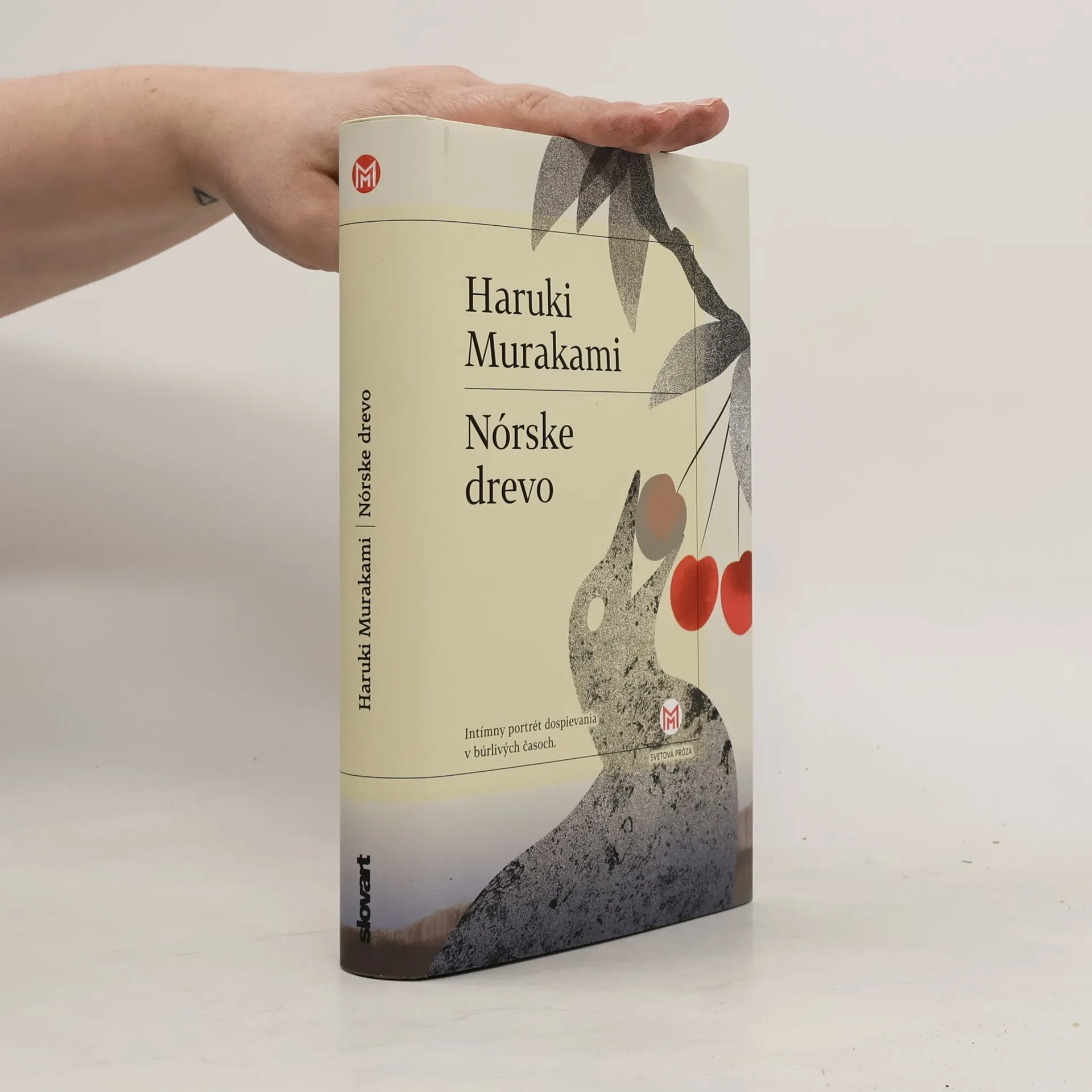
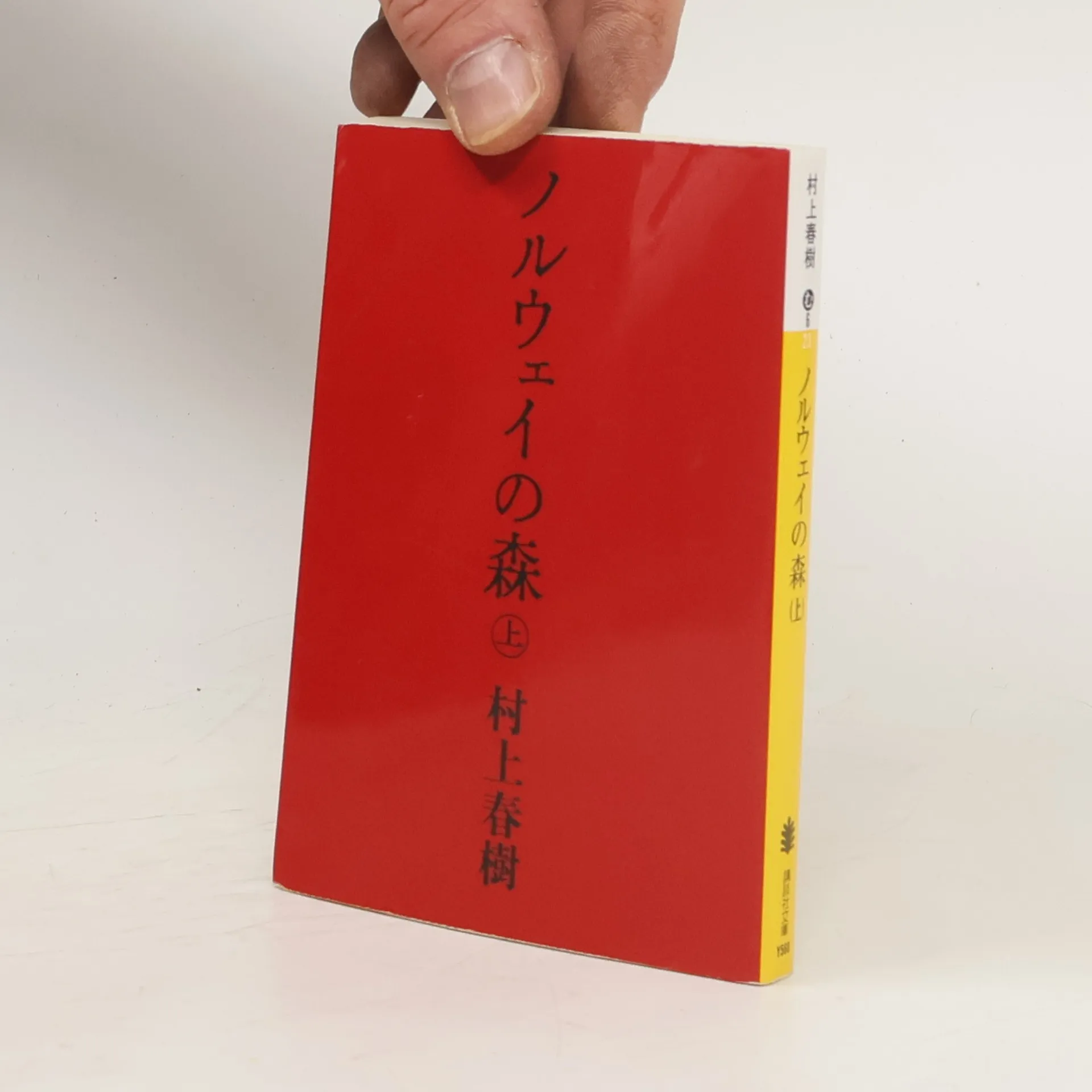
Tridsaťsedemročný Tóru Watanabe spomína na svoje vysokoškolské časy, na búrlivé obdobie politických nepokojov v Tokiu, na krehké priateľstvá, ktoré si však človek zapamätá na celý život, na mladícke vášne a túžby, noci plné nezáväzného sexu a na svoju prvú lásku Naoko, priateľku svojho najlepšieho kamaráta Kizukiho. Naoko sa po Kizukiho smrti uzavrie do svojho sveta a Tórua čoraz väčšmi priťahuje divoká Midori, s ktorou sa stretáva v škole na prednáškach. Uvedomí si, že smrť nie je protikladom života, ale jeho súčasťou, a že si napokon bude musieť vybrať medzi minulosťou a budúcnosťou.
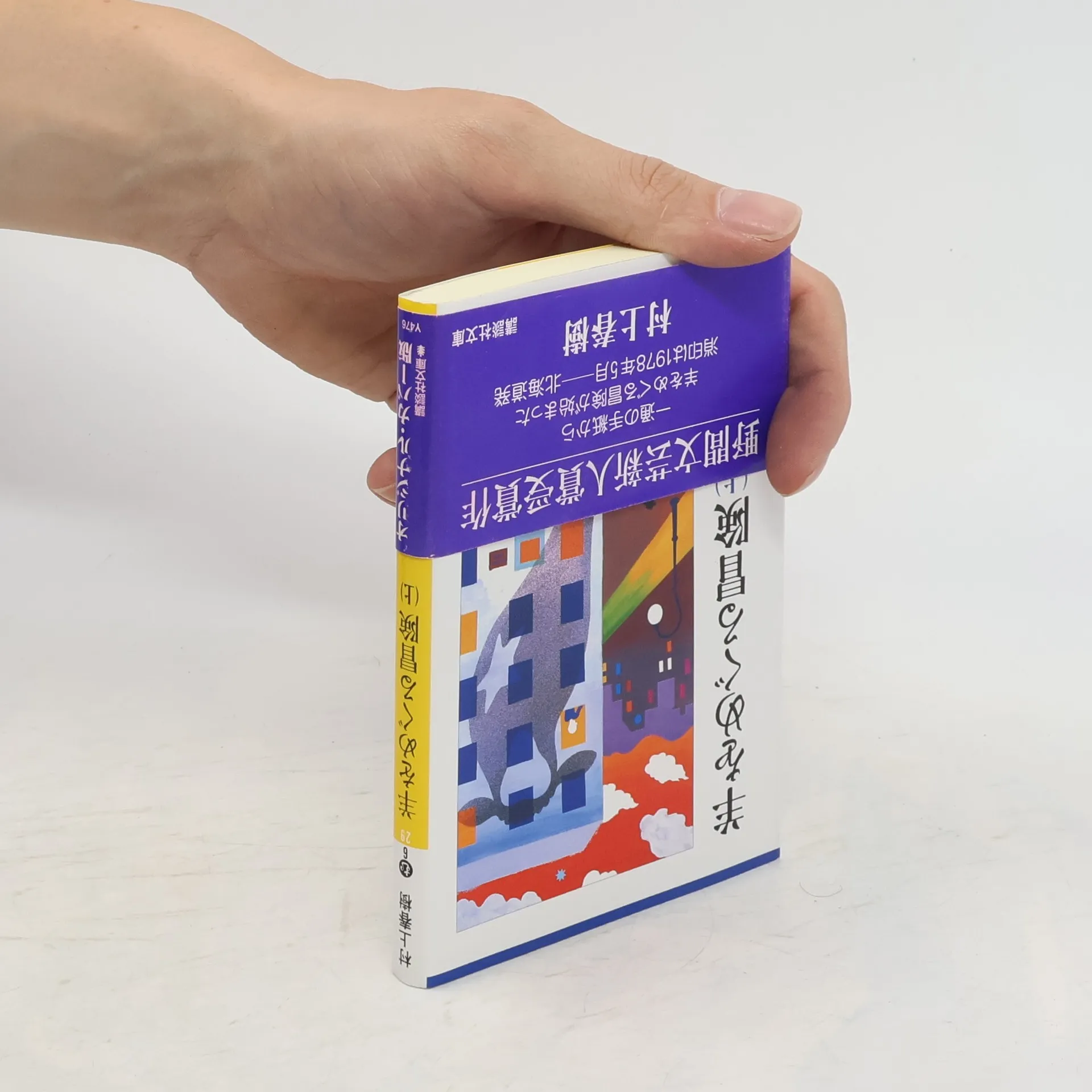
Protagonista a zároveň rozprávač tohto príbehu je mladý, mestom znudený človek, ktorý nikam nepatrí a nikomu nechýba. Jedného dňa dostane od svojho priateľa list s fotografiou, ktorú neskôr použije v jednom projekte svojej reklamnej agentúry. Fotografia sa dostane do rúk osobného tajomníka „šéfa“, ktorý rozprávačovi prikáže, aby jednu z oviec na tej fotografii našiel. A tak sa začína hon na ovcu, ktorá sa od ostatných líši „len“ hviezdou na chrbte – a je to ako sen, z ktorého sa len ťažko prebúdza, príbeh, ktorý čitateľa najprv pohltí a neskôr neúprosne opustí.
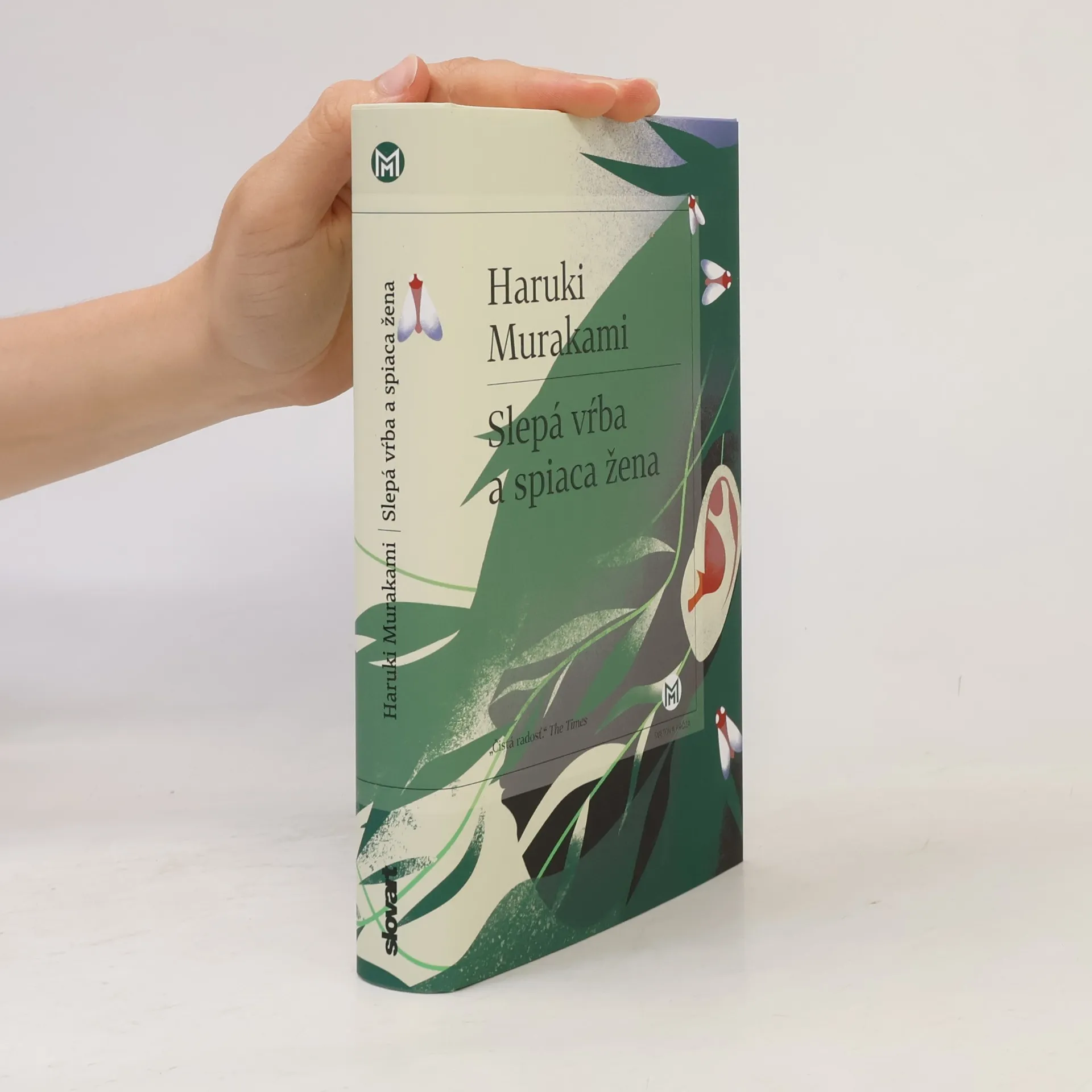
Dvadsaťštyri majstrovských poviedok z rokov 1979 až 2006 sú mimoriadne skvelou ukážkou autorovho strhujúceho rukopisu a podmanivosti jeho krátkych próz. V príbehoch, ktoré sa odohrávajú v Japonsku, Taliansku, Grécku či na Havaji, opäť provokuje fascinujúcim a nekompromisným stieraním hranice medzi možným a nemožným, presvedčivo zachováva rovnováhu medzi oboma týmito svetmi, plynulo prechádza zo sveta každodennosti do sveta snov, a práve v tom balansovaní na hrane nemilosrdne odhaľ uje temné aj krehké stránky nás všetkých a zraniteľnosť našej duše.
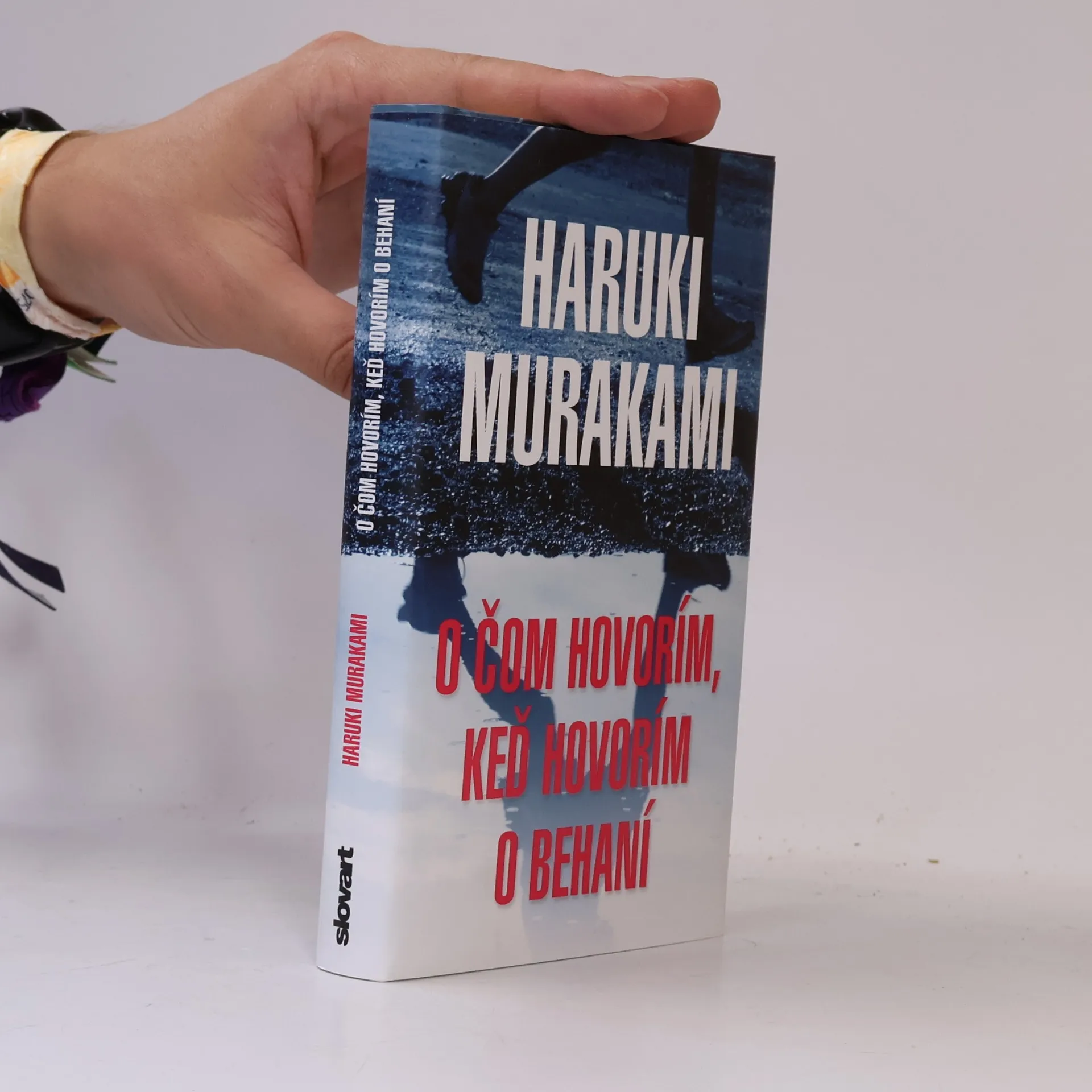
Táto kniha je nezvyčajným súborom esejí o behaní na dlhé trate a zároveň spisovateľovým denníkom každodennej štvormesačnej prípravy na Newyorský maratón. Haruki Murakami behá už dvadsaťpäť rokov, každý deň desať kilometrov. Hovorí tu o fyzickej i psychickej bolesti, o starnutí, aj o tom, na čo myslí, keď behá a púšťa si pritom hudbu. Dnešný svet praje najmä silným osobnostiam a aj v literárnom svete sa uchytia cieľavedomí spisovatelia-manažéri v dobrej kondícii, a taký je aj Murakami.
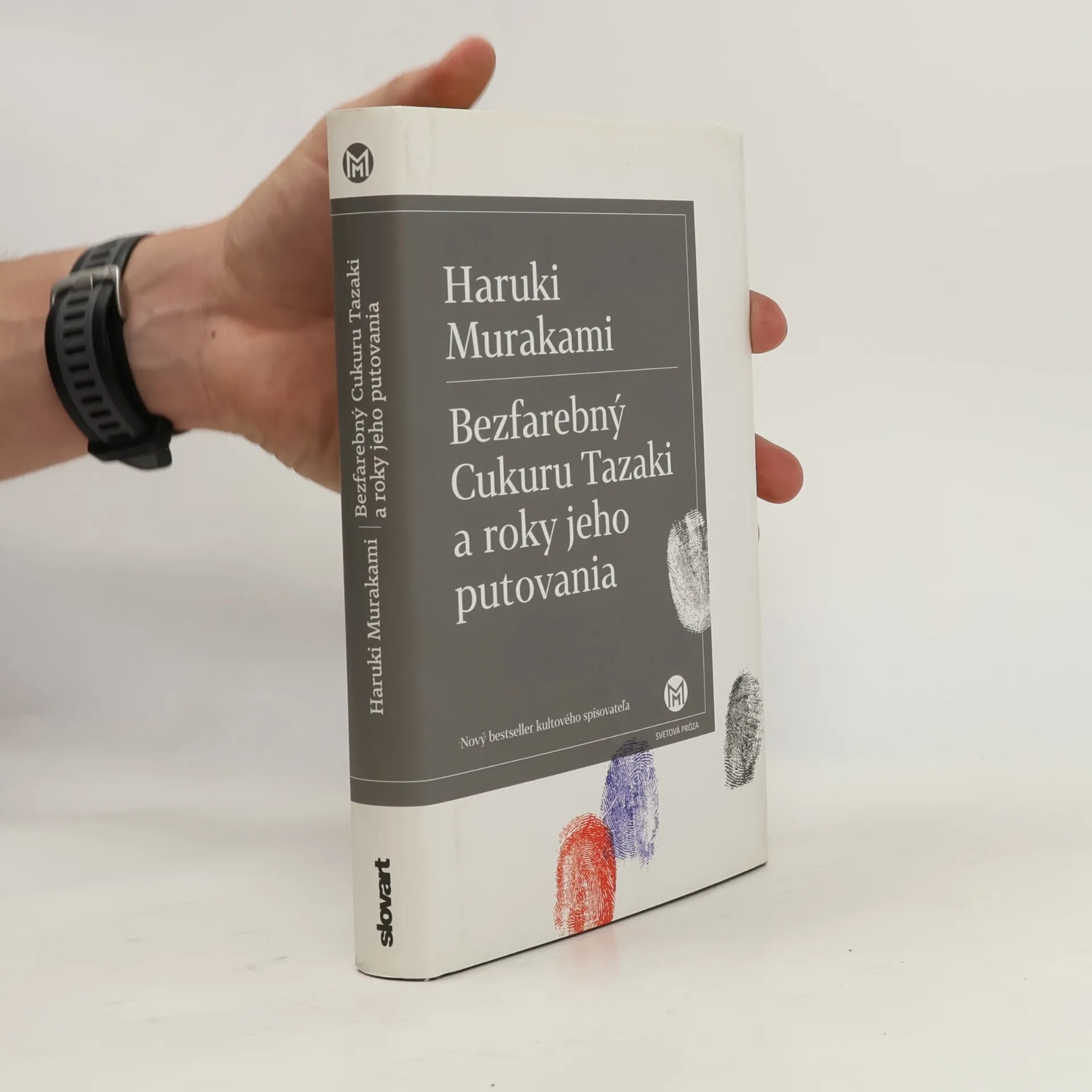
Tridsaťšesťročný Cukuru Tazaki pracuje v istej tokijskej železničnej firme ako architekt staničných komplexov. Na večierku u svojho nadriadeného ho zoznámia so Sarou Kimotovou, zamestnankyňou cestovnej kancelárie. Stretnutie vyústi do vzťahu, čo spôsobí v Cukuruovom živote radikálnu zmenu. Cukuru sa Sare zdôverí so zážitkom, pre ktorý pred šestnástimi rokmi stratil dôveru v ľudí, a vďaka nej sa zbavuje nechuti komunikovať s okolím a väzenia samoty. Porozpráva jej o päťčlennej partii z gymnázia, v ktorej strávil najkrajšie roky mladosti, až kým ho z nej nečakane a definitívne nevylúčili. Saru udivuje, že Cukuru nepátral po príčine takého radikálneho skutku, hoci mu strata priateľov spôsobila veľkú traumu, a nabáda ho, aby ich navštívil a požiadal o vysvetlenie. Cukuru sa rozhodne prelomiť mlčanie a postaviť sa zoči-voči minulosti.
Kultová zbierka poviedok najúspešnejšieho japonského spisovateľa súčasnosti.
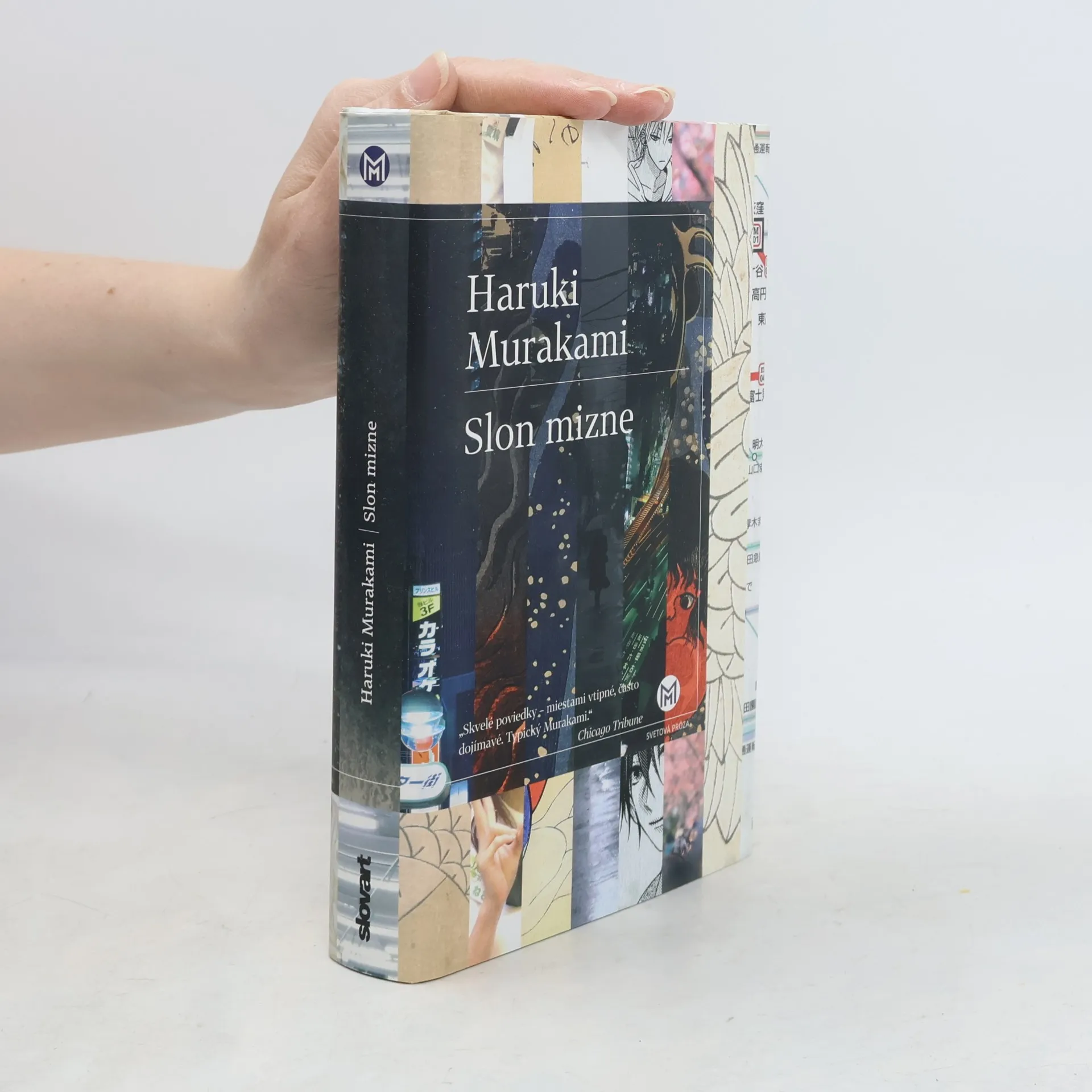
Haruki Murakami je bezpochyby najznámejším a najprekladanejším súčasným japonským autorom. Zbierka poviedok Slon mizne obsahuje sedemnásť krátkych prozaických textov, ktoré v rokoch 1980 až 1991 vychádzali prevažne časopisecky a neskôr sa stali súčasťou iných zbierok. Poviedky, tak ako sú usporiadané v tejto zbierke, vyšli v anglickom preklade v roku 1993, v japončine až o dvanásť rokov neskôr. Podobne ako iné Murakamiho diela, aj tieto príbehy sú utkané z jemných vlákien každodennej reality a fantazijných prvkov a autor v nich opisuje rôzne spôsoby, ako sa ľudia dokážu vyrovnať s pocitmi straty a osamelosti v modernom svete.
Titul vyšiel v anglickom jazyku pod názvom The Elephant Vanishes.
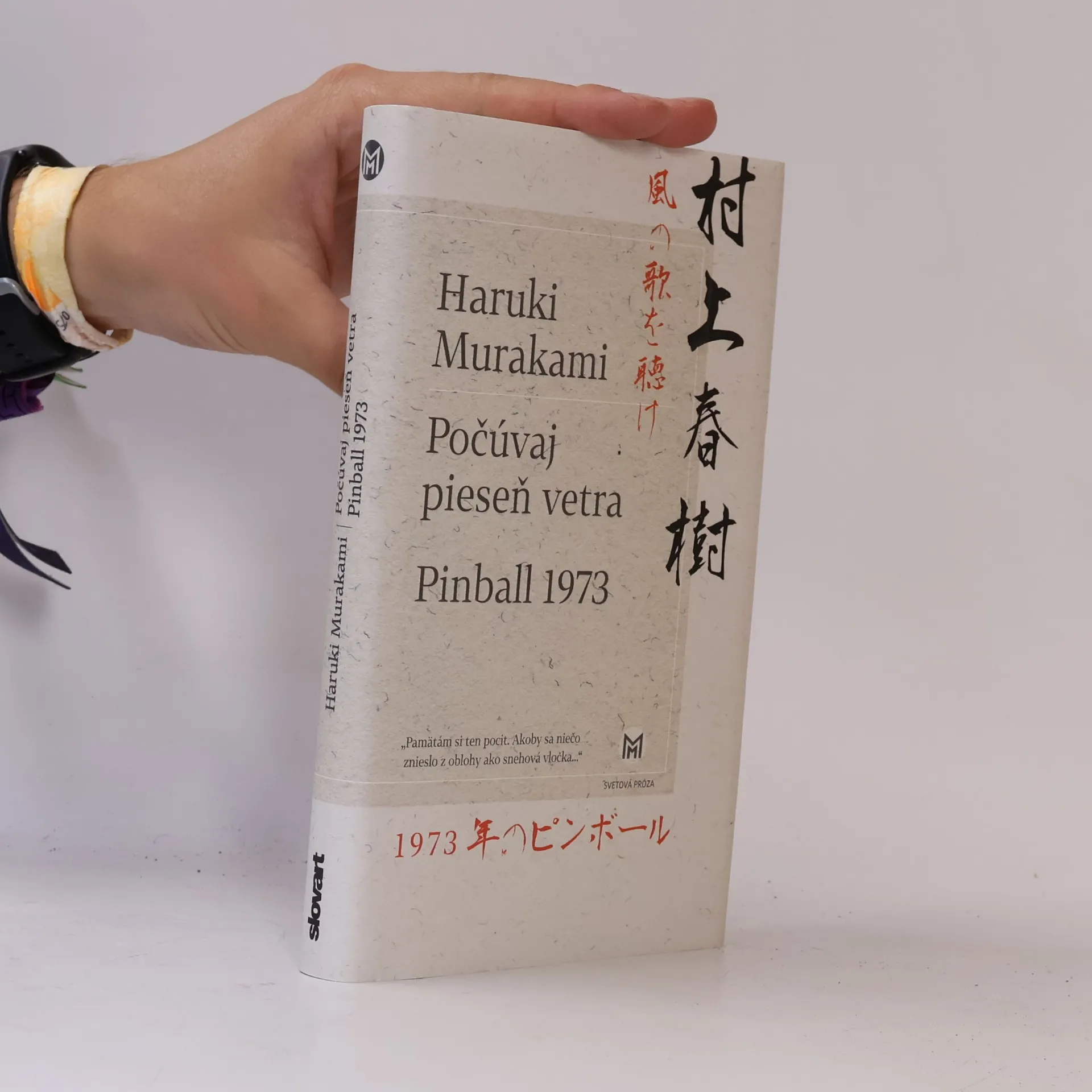
Haruki Murakami si na jar v roku 1978 sadol za kuchynský stôl a začal písať. Napísal dve pozoruhodné novely Počúvaj pieseň vetra (1979) a Pinball 1973 (1980), ktorými sa začala kariéra jedného z najuznávanejších súčasných spisovateľov. Hrdinovia oboch príbehov o osamelosti, posadnutosti a erotike sú bezmenný rozprávač a jeho priateľ Krysa, stojaci na prahu dospelosti. Aj pre tieto autorove rané prózy sú typické charakteristické znaky jeho neskorších kníh, ktoré sa vyznačujú až surrealistickým vnímaním reality.
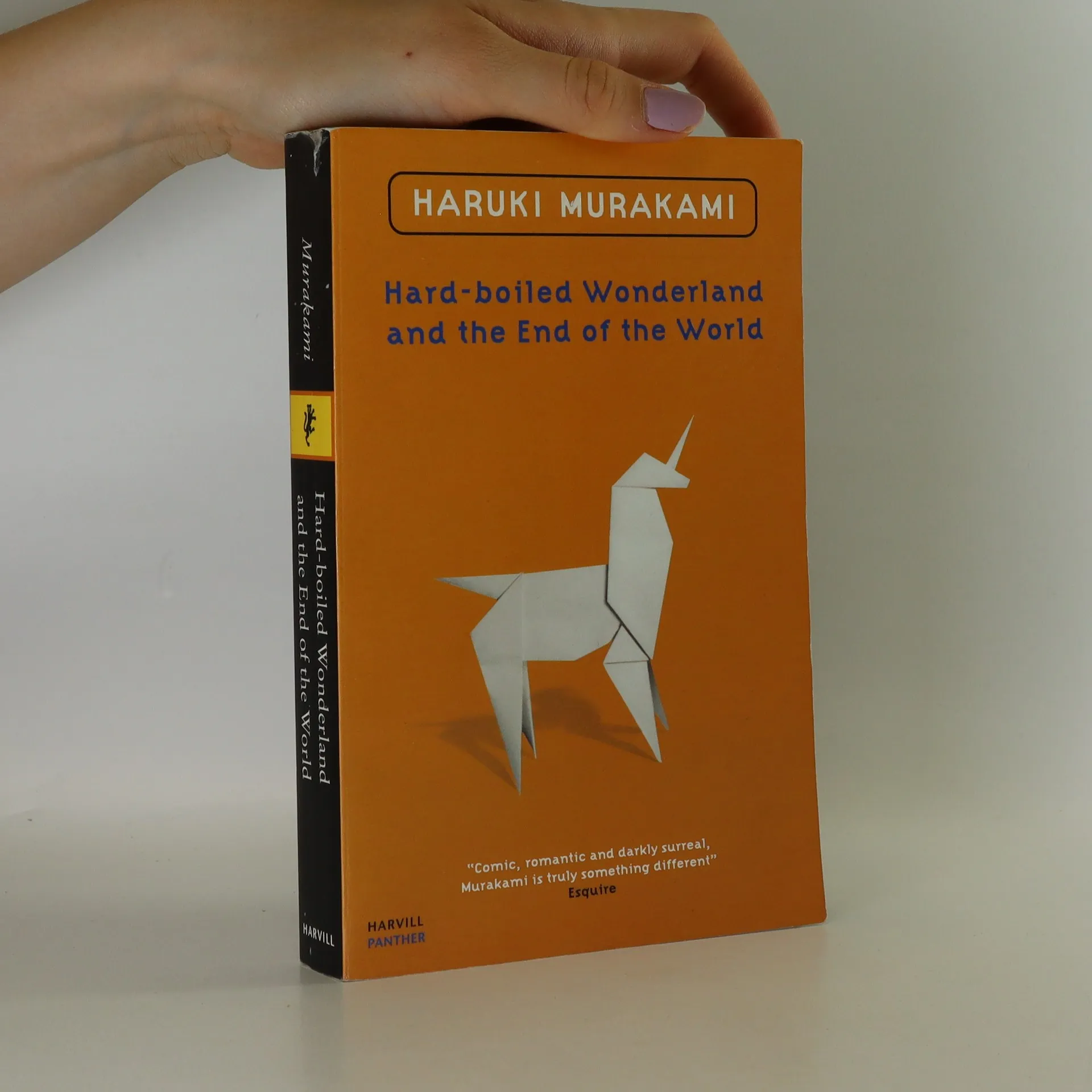
From the #1 New York Times bestselling author of 1Q84 and The Wind-Up Bird Chronicle comes a relentlessly inventive novel that dives deep into the very nature of consciousness. “Fantastical, mysterious, and funny . . . a fantasy world that might have been penned by Franz Kafka.”—The Philadelphia Inquirer Across two parallel narratives, Murakami draws readers into a mind-bending universe in which Lauren Bacall, Bob Dylan, a split-brained data processor, a deranged scientist, his shockingly undemure granddaughter, and various thugs, librarians, and subterranean monsters collide to dazzling effect. What emerges is a hyperkinetic novel that is at once hilariously funny and a deeply serious meditation on the nature and uses of the mind.
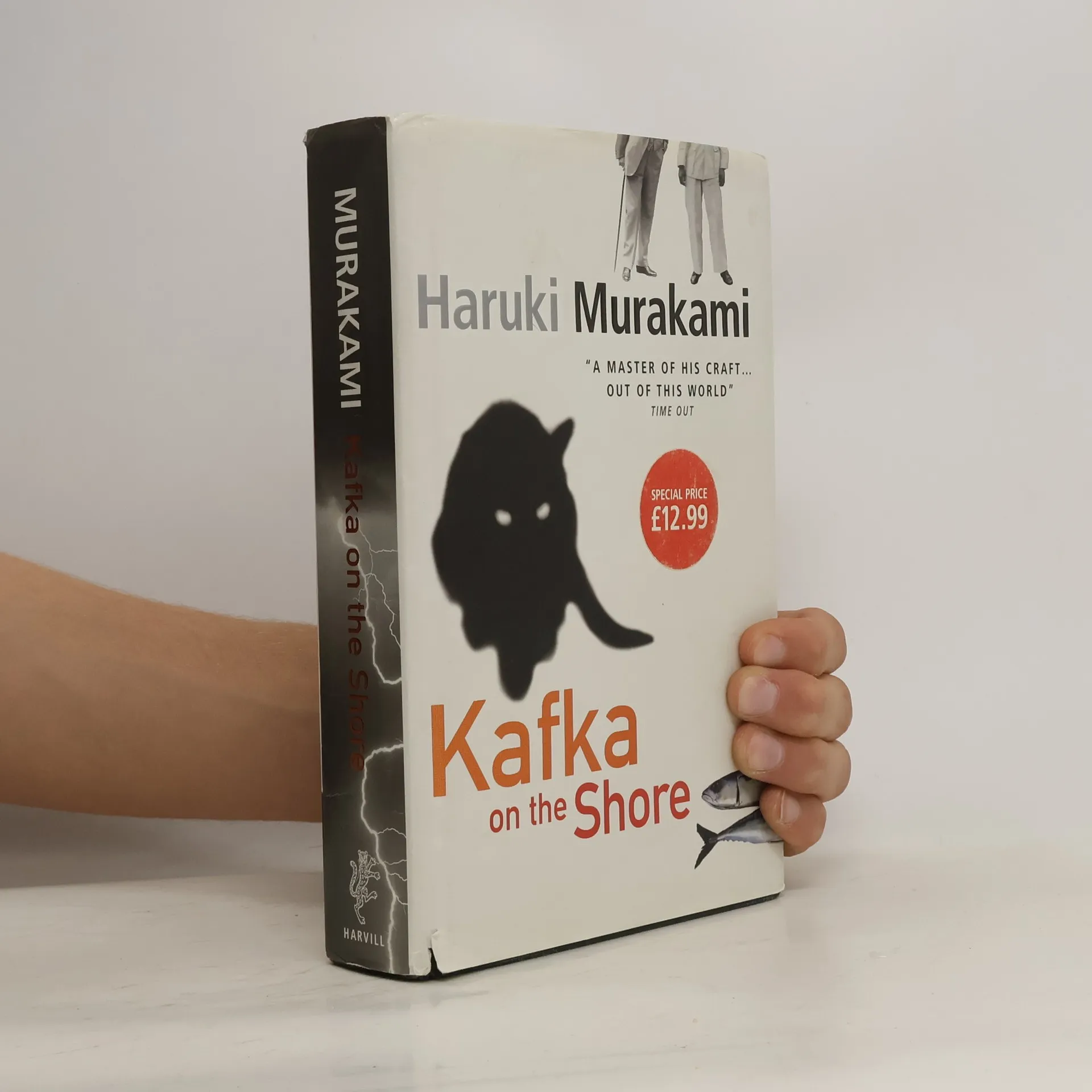
'A stunning work of art that bears no comparisons' the New York Observer wrote of The Wind-Up Bird Chronicle, 'and this is also true of this magnificent new novel, which is every bit as ambitious, expansive and bewitching. A tour-de-force of metaphysical reality, Kafka on the Shore is powered by two remarkable characters. At fifteen, Kafka Tamura runs away from home, either to escape a gruesome oedipal prophecy or to search for his long-missing mother and sister. And the aging Nakata,tracker of lost cats, who never recovered from a bizarre childhood affliction, finds his highly simplified life suddenly overturned. Their parallel odysseys, as mysterious to us as they are to them, are enriched throughout by vivid accomplices and mesmerizing events. Fish tumble in storms from the sky; cats and people carry on conversations; a ghostlike pimp employs a Hegel-quoting prostitute, a forest harbors soldiers apparently unaged since World War II. There is a brutal murder, with the identity of both victim and perpetrator a riddle. Yet this, like everything else, is eventually answered, just as the entwined destinies of Kafka and Nakata are gradually revealed, with one escaping his fate entirely and the other given a fresh start on his own.
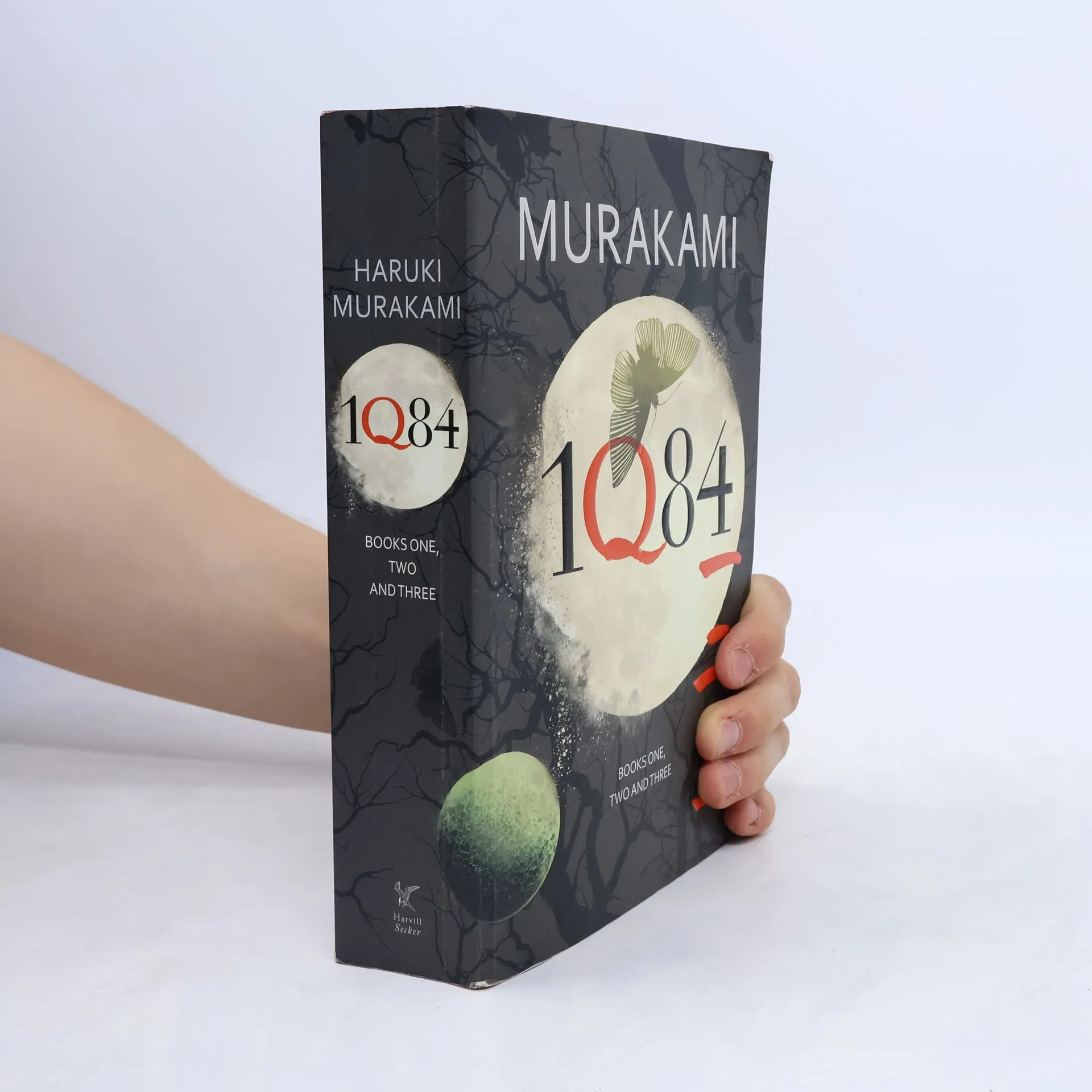
An ode to George Orwell's "1984" told in alternating male and female voices relates the stories of Aomame, an assassin for a secret organization who discovers that she has been transported to an alternate reality, and Tengo, a mathematics lecturer and novice writer.
A unique look at the craft of writing from a bestelling master of storytelling. In this engaging book, the internationally best-selling author shares with readers what he thinks about being a novelist; his thoughts on the role of the novel in our society; his own origins as a writer; and his musings on the sparks of creativity that inspire other writers, artists, and musicians. Readers who have long wondered where the mysterious novelist gets his ideas and what inspires his strangely surreal worlds will be fascinated by this highly personal look at the craft of writing. 'An insightful collection of essays on his work and methods... You end this collection of beautiful essays vowing to never let life, or writing, get so complicated again' Guardian 'Murakami is like a magician who explains what he's doing as he performs the trick and still makes you believe he has supernatural powers' New York Times Book Review 'A fascinating glimpse of the peculiar writerly life' Sunday Times ** A TIMES, SUNDAY TIMES and NEW STATESMAN BOOK OF THE YEAR**
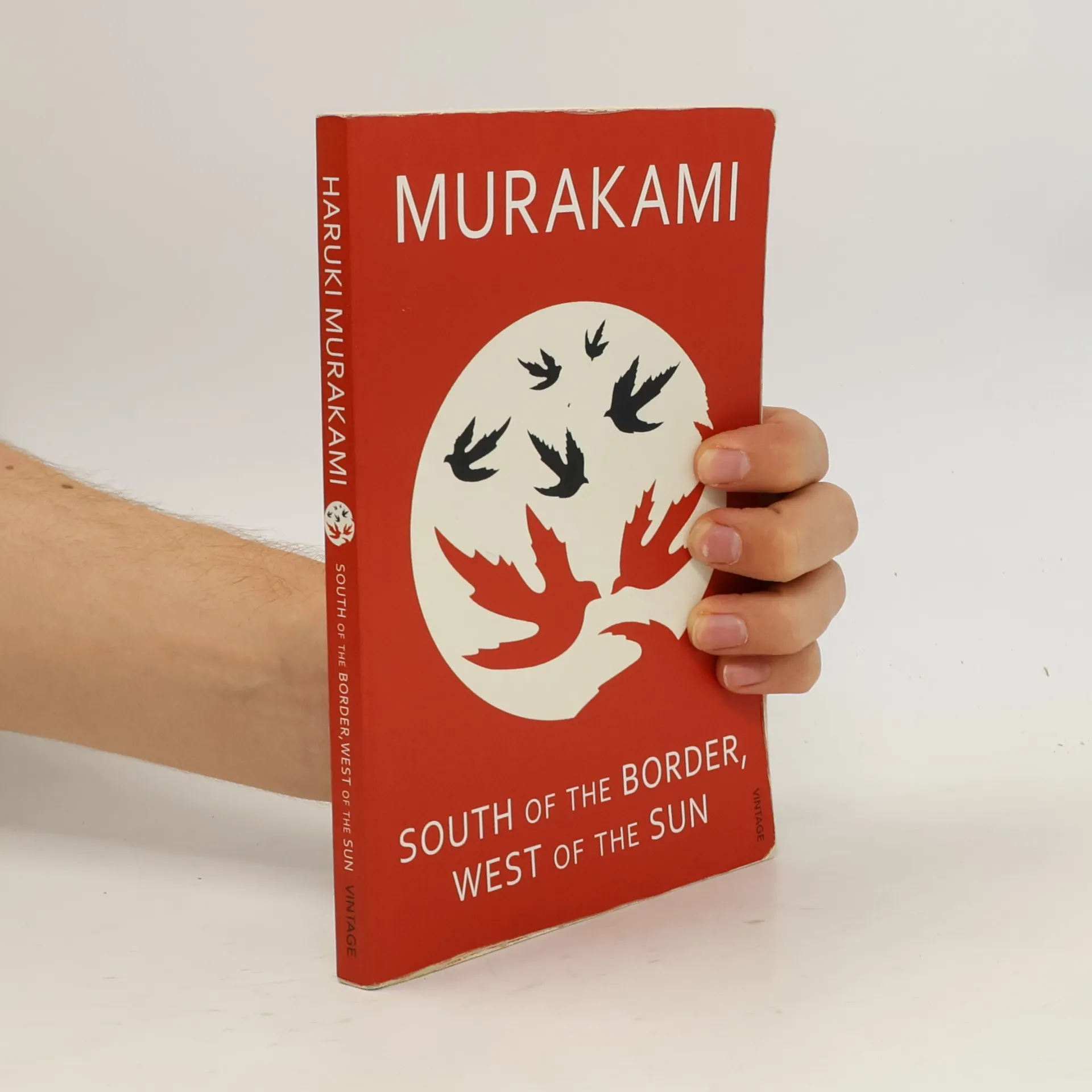
Growing up in the suburbs in post-war Japan, it seemed to Hajime that everyone but him had brothers and sisters. His sole companion was Shimamoto, also an only child. Together they spent long afternoons listening to her father's record collection. But when his family moved away, the two lost touch. Now Hajime is in his thirties. After a decade of drifting he has found happiness with his loving wife and two daughters, and success running a jazz bar. Then Shimamoto reappears. She is beautiful, intense, enveloped in mystery. Hajime is catapulted into the past, putting at risk all he has in the present. 'A story of love in a cool climate, intensely romantic and weepily beautiful...it is startlingly different: a true original' Guardian 'Casablanca remade Japanese style...It is dream-like writing, laden with scenes which have the radiance of a poem' The Times 'This wise and beautiful book is full of hidden truths' New York Times 'This book aches...an eloquent treatise on the vertiginous, irrational powers of love and desire' Independent on Sunday 'A beautiful, atmospheric novel sustained by Murakami's flair for philosophical mediation at its most human' Irish Times
A tour de force of love and loneliness, war and art, Killing Commendatore is a stunning work of imagination from one of our greatest writers. When a thirty-something portrait painter is abandoned by his wife, he secludes himself in the mountain home of a world famous artist. One day, the young painter hears a noise from the attic, and upon investigation, he discovers a previously unseen painting. By unearthing this hidden work of art, he unintentionally opens a circle of mysterious circumstances; and to close it, he must undertake a perilous journey into a netherworld that only Haruki Murakami could conjure.
A beautifully packaged hardback edition of Haruki Murakami's classic mystery story about love, the cosmos and other fictional universes, now with a new introduction by the author Sumire is in love with a woman seventeen years her senior. Miu is glamorous and successful. Sumire is an aspiring writer who dresses in an oversized second-hand coat and heavy boots like a character in a Kerouac novel. Sumire spends hours on the phone talking to her best friend K about the big questions in life: what is sexual desire, and should she ever tell Miu how she feels for her? Meanwhile K wonders whether he should confess his own unrequited love for Sumire. Then, a desperate Miu calls from a small Greek island: Sumire has mysteriously vanished... 'Confirms Murakami as a master of his craft... Out of this world' Time Out
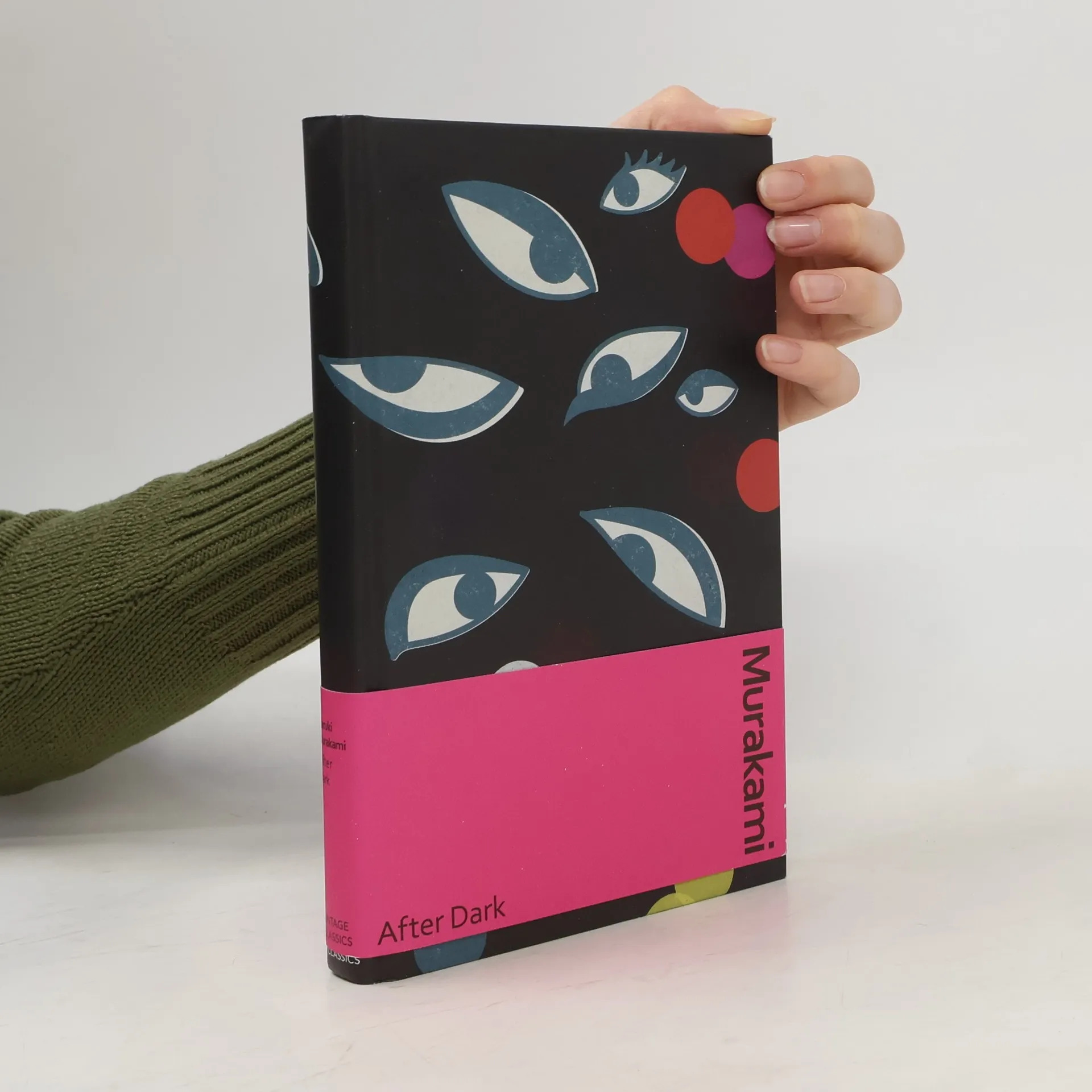
A beautifully packaged hardback edition of Haruki Murakami's mesmerizingly evocative classic, now with a new introduction by the author Eyes mark the shape of the city The midnight hour approaches in an almost-empty diner. Mari sips her coffee and reads a book, but soon her solitude is disturbed: a girl has been beaten up at the Alphaville hotel, and needs Mari's help. Meanwhile Mari's beautiful sister Eri lies in a deep, heavy sleep that is 'too perfect, too pure' to be normal; it has lasted for two months. But tonight as the digital clock displays 00:00, a hint of life flickers across the television screen in her room, even though its plug has been pulled out. Strange nocturnal happenings, or a trick of the night? 'A captivating mood piece, delicate and wistful' Evening Standard
NATIONAL BESTSELLER • Including the story "Drive My Car”—now an Academy Award–nominated film—this collection from the internationally acclaimed author "examines what happens to characters without important women in their lives; it'll move you and confuse you and sometimes leave you with more questions than answers" (Barack Obama). Across seven tales, Haruki Murakami brings his powers of observation to bear on the lives of men who, in their own ways, find themselves alone. Here are lovesick doctors, students, ex-boyfriends, actors, bartenders, and even Kafka’s Gregor Samsa, brought together to tell stories that speak to us all. In Men Without Women Murakami has crafted another contemporary classic, marked by the same wry humor and pathos that have defined his entire body of work.
NEW YORK TIMES BESTSELLER • A GLOBE AND MAIL BEST BOOK OF THE YEAR • A REAL SIMPLE BEST BOOK OF THE YEAR From the author of Norwegian Wood and Hard-Boiled Wonderland and the End of the World comes a poignant love story and quest, celebrating books and the libraries that house them. When a young man's girlfriend mysteriously disappears, he is heartbroken and determined to find the imaginary town where he believes she has gone. This lifelong search leads him into middle age and a job at a remote library filled with its own mysteries. He journeys between the real world and a shadowless city where unicorns roam and willow trees grow. There, he discovers his beloved working in a dream library, but she has no memory of their past together. As seasons change and the man grapples with the blurred lines between these two worlds, he must confront what he is willing to sacrifice. This narrative serves as a parable for our times, exploring themes of love, loss, and the transformative power of stories. "Truth is not found in fixed stillness, but in ceaseless change/movement. Isn't this the quintessential core of what stories are all about?” —Haruki Murakami, from the afterword.
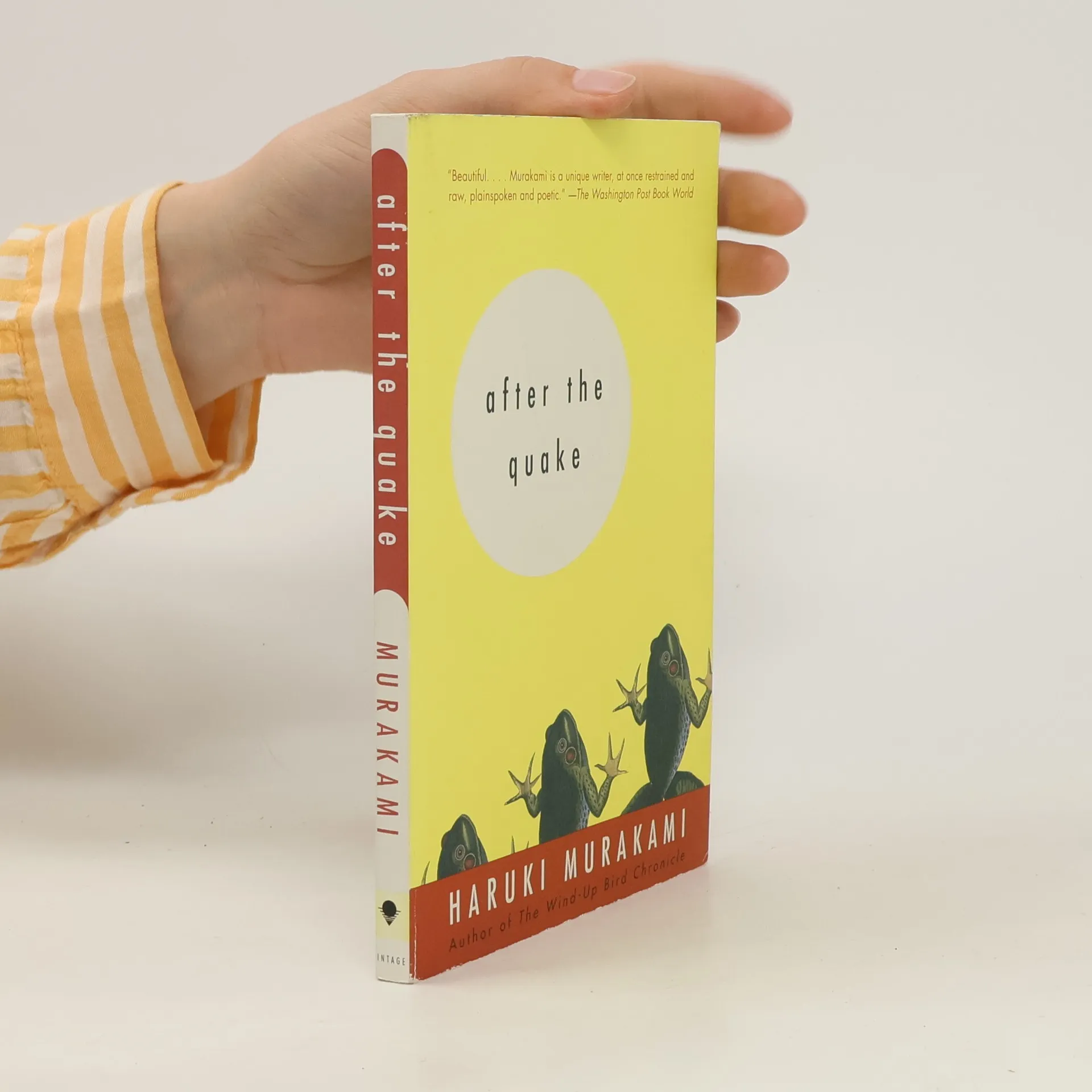
Set at the time of the catastrophic 1995 Kobe earthquake, the mesmerizing stories in After the Quake are as haunting as dreams and as potent as oracles. An electronics salesman who has been deserted by his wife agrees to deliver an enigmatic package— and is rewarded with a glimpse of his true nature. A man who views himself as the son of God pursues a stranger who may be his human father. A mild-mannered collection agent receives a visit from a giant talking frog who enlists his help in saving Tokyo from destruction. The six stories in this collection come from the deep and mysterious place where the human meets the inhuman—and are further proof that Murakami is one of the most visionary writers at work today.
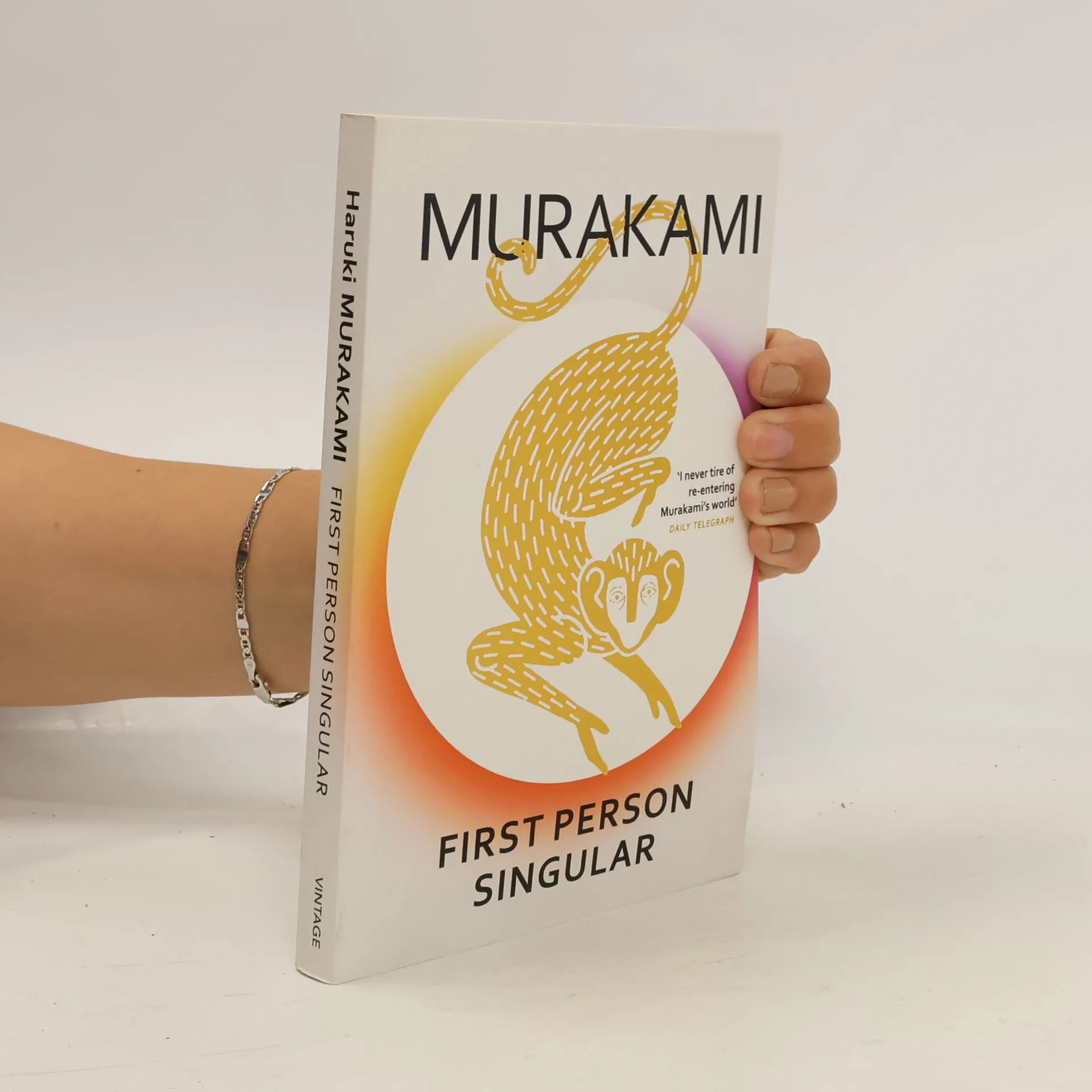
The eight stories in this new book are all told in the first person by a classic Murakami narrator. From memories of youth, meditations on music, and an ardent love of baseball, to dreamlike scenarios and invented jazz albums, together these stories challenge the boundaries between our minds and the exterior world. Occasionally, a narrator may or may not be Murakami himself. Is it memoir or fiction? The reader decides. Philosophical and mysterious, the stories in First Person Singular all touch beautifully on love and solitude, childhood and memory. . . all with a signature Murakami twist.
She waited on tables as usual that day, her twentieth birthday. She always worked Fridays, but if things had gone according to plan on that particular Friday, she would have had the night off. One rainy Tokyo night, a waitress's uneventful twentieth birthday takes a strange and fateful turn when she's asked to deliver dinner to the restaurant's reclusive owner. Birthday Girl is a beguiling, exquisitely satisfying taste of master storytelling, published to celebrate Murakami's 70th birthday.
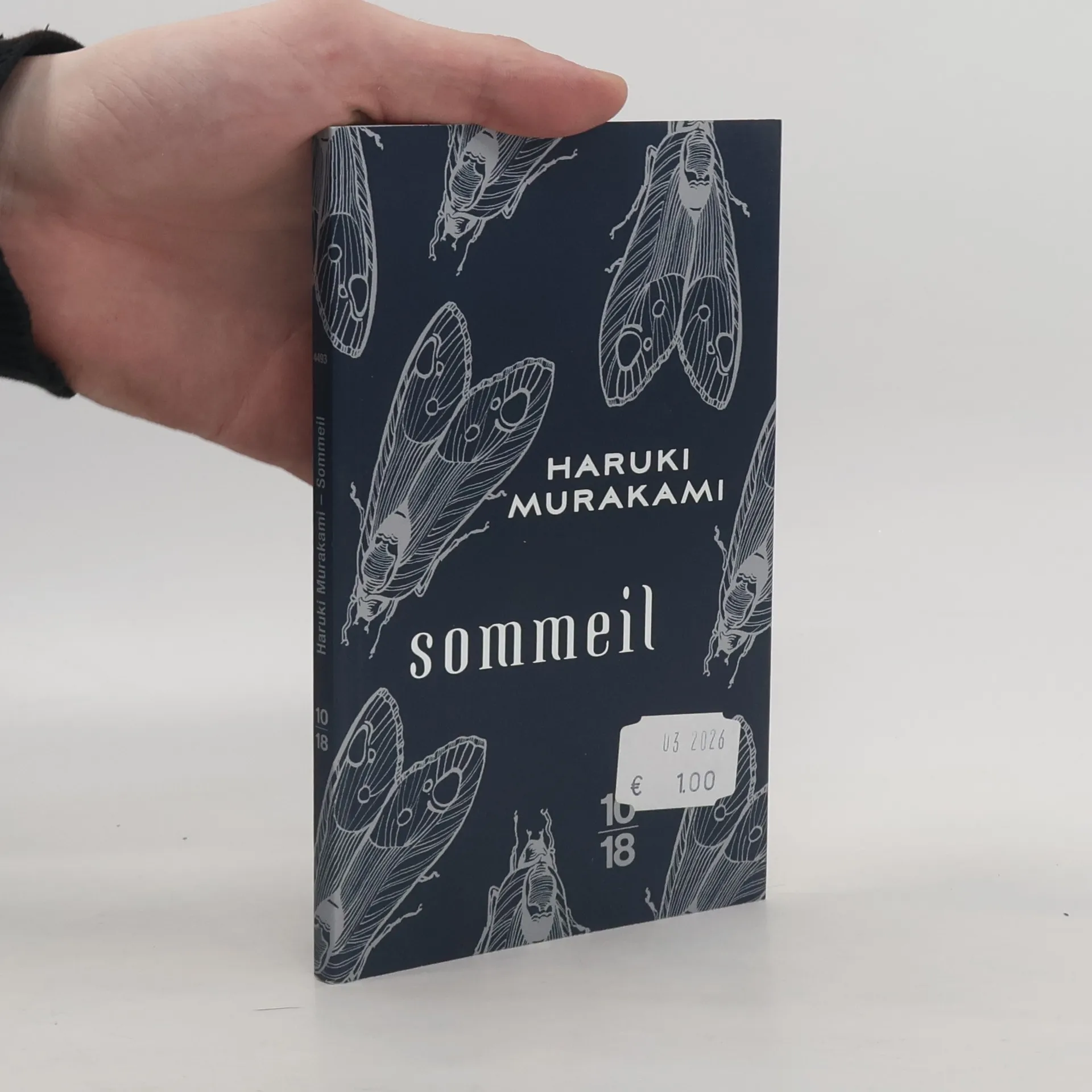
Envoûtante et onirique, une des nouvelles les plus énigmatiques de Haruki Murakami, superbement illustrée aux couleurs de nuit, par Kat Menschik. Dans un style pur et cristallin, une plongée obsédante dans les dix-sept nuits sans sommeil d?une femme, pour pénétrer tout le mystère et la magie de l'univers du maître. « Du pur Murakami. » Elle Traduit du japonaispar Corinne Atlan Né à Kyoto en 1949, Haruki Murakami est le traducteur japonais de Scott Fitzgerald, Raymond Carver et John Irving. Ne supportant pas le conformisme de la société japonaise, il s'est expatrié en Grèce, en Italie puis aux États-Unis. En 1995, après le tremblement de terre de Kobe et l'attentat du métro de Tokyo, il a décidé de rentrer au Japon. Haruki Murakami a rencontré le succès dès la parution de son premier roman, Écoute le chant du vent (1979), qui lui a valu le prix Gunzo. Suivront notamment Chroniques de l'oiseau à ressort, Au sud de la frontière, à l'ouest du soleil, Les Amants du Spoutnik, Kafka sur le rivage et Le Passage de la nuit. Il signe aujourd?hui une trilogie, 1Q84, dont les deux premiers tomes paraissent chez Belfond en 2011 et le dernier tome en 2012. Plusieurs fois favori pour le prix Nobel de littérature, Haruki Murakami est aujourd'hui un auteur culte au Japon et son ?uvre est traduite dans plus de trente pays.
»Hunger hatten wir, so viel stand fest. Allerdings keinen gewöhnlichen, nein – uns kam es so vor, als hätten wir ein kosmisches Vakuum verschluckt.« Zwei Freunde marschieren mit Messern bewaffnet los, um in der nächsten Bäckerei ihren Hunger zu stillen. Doch sie haben die Rechnung ohne den Bäcker gemacht. Der untermalt das Croissantballett mit Wagnerklängen und schlägt ein ungewöhnliches Tauschgeschäft vor. Das verlangt nach einem zweiten Bäckereiüberfall …
Murakamis legendäre ›Bäckereiüberfälle‹ sind ein Musterstück surrealistisch-existentialistischer Erzählkunst, in dem der Weltbestsellerautor seinem unnachahmlichen Humor freien Lauf lässt. Nachdem Murakamis Erzählung ›Schlaf‹ weltweit mit Kat Menschiks Zeichnungen erschien, traf Murakami seine Illustratorin in Berlin und wünschte sich, dass sie weitere seiner Geschichten bebildert. Das Ergebnis sind ›Die Bäckereiüberfälle‹ – wie man sie noch niemals gesehen hat.
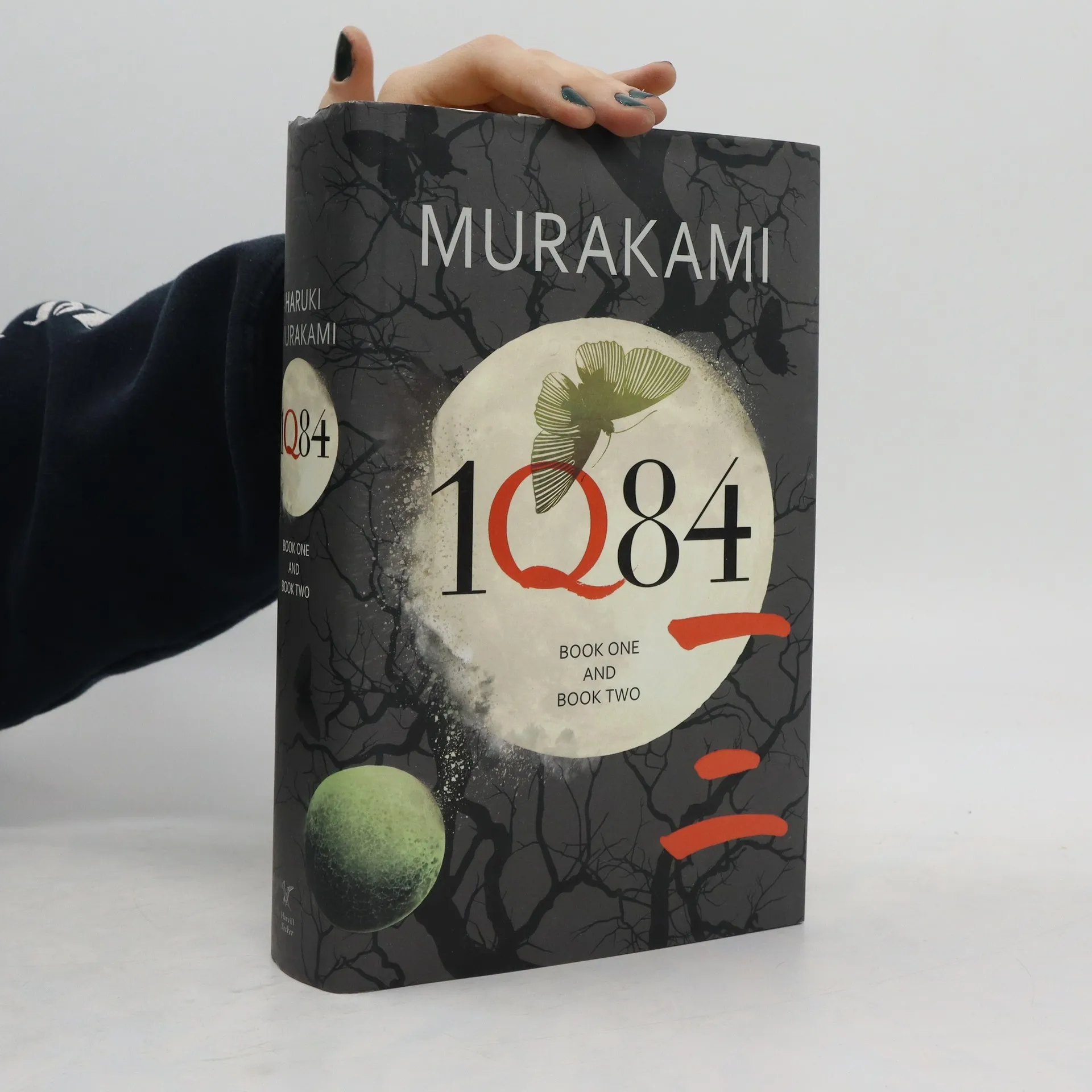
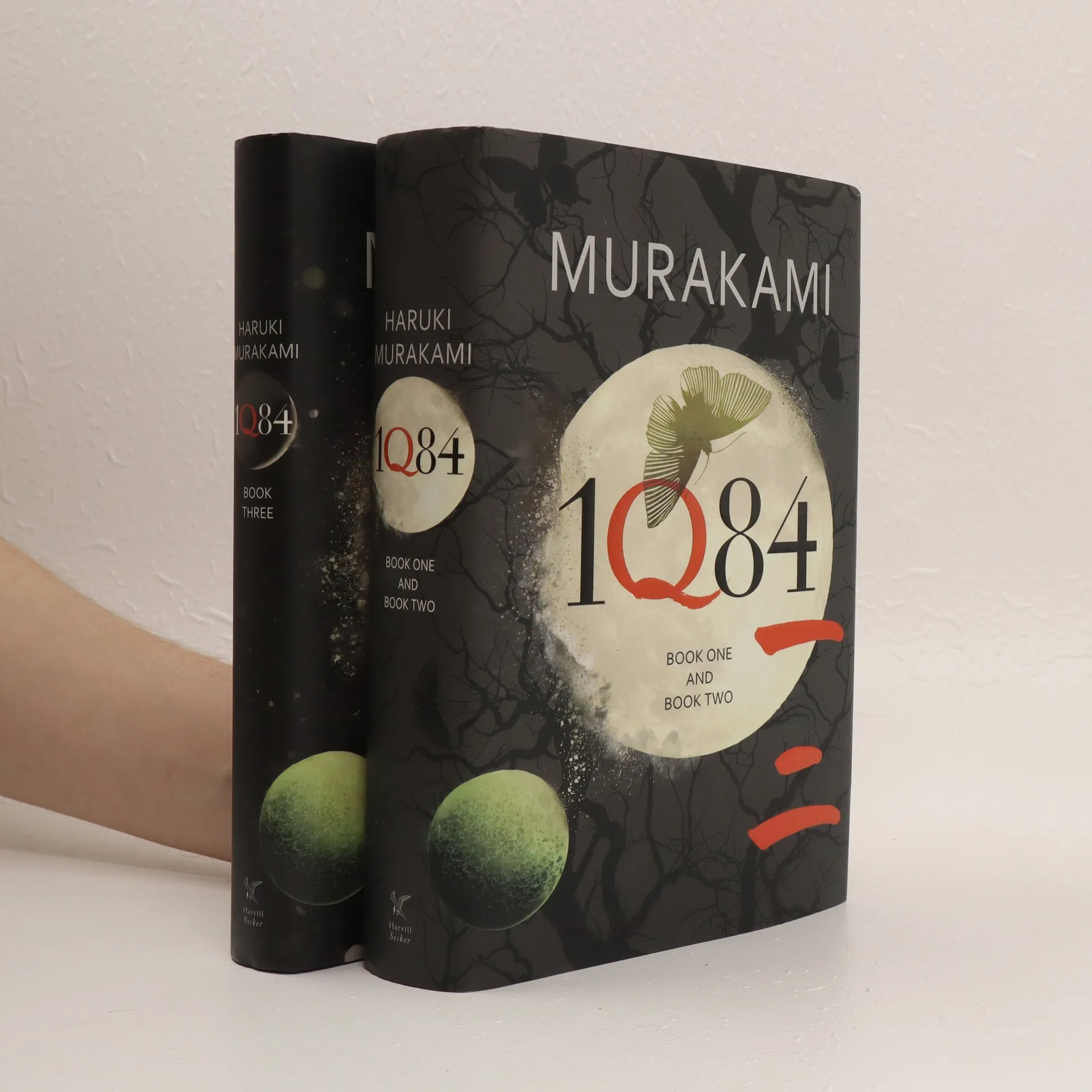
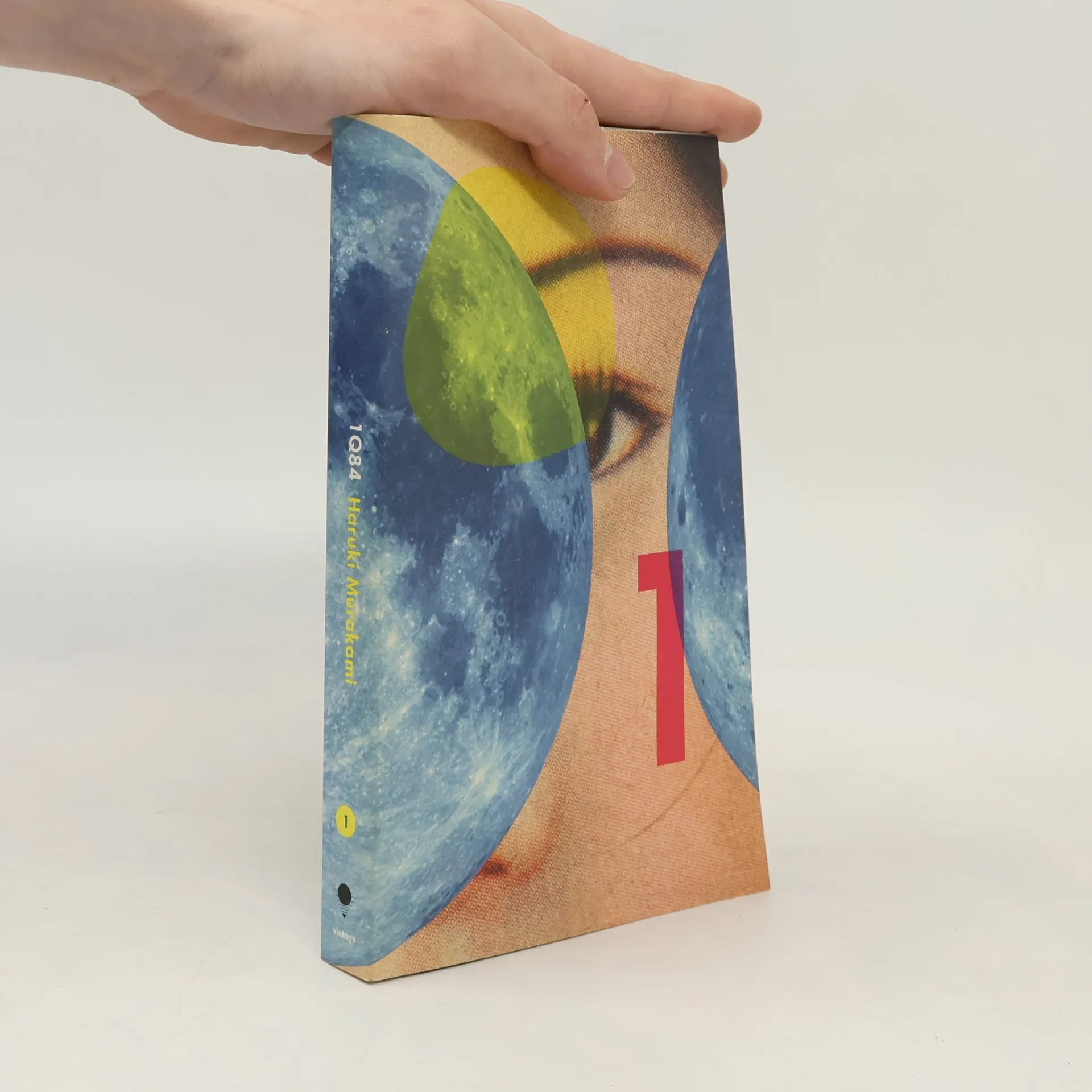
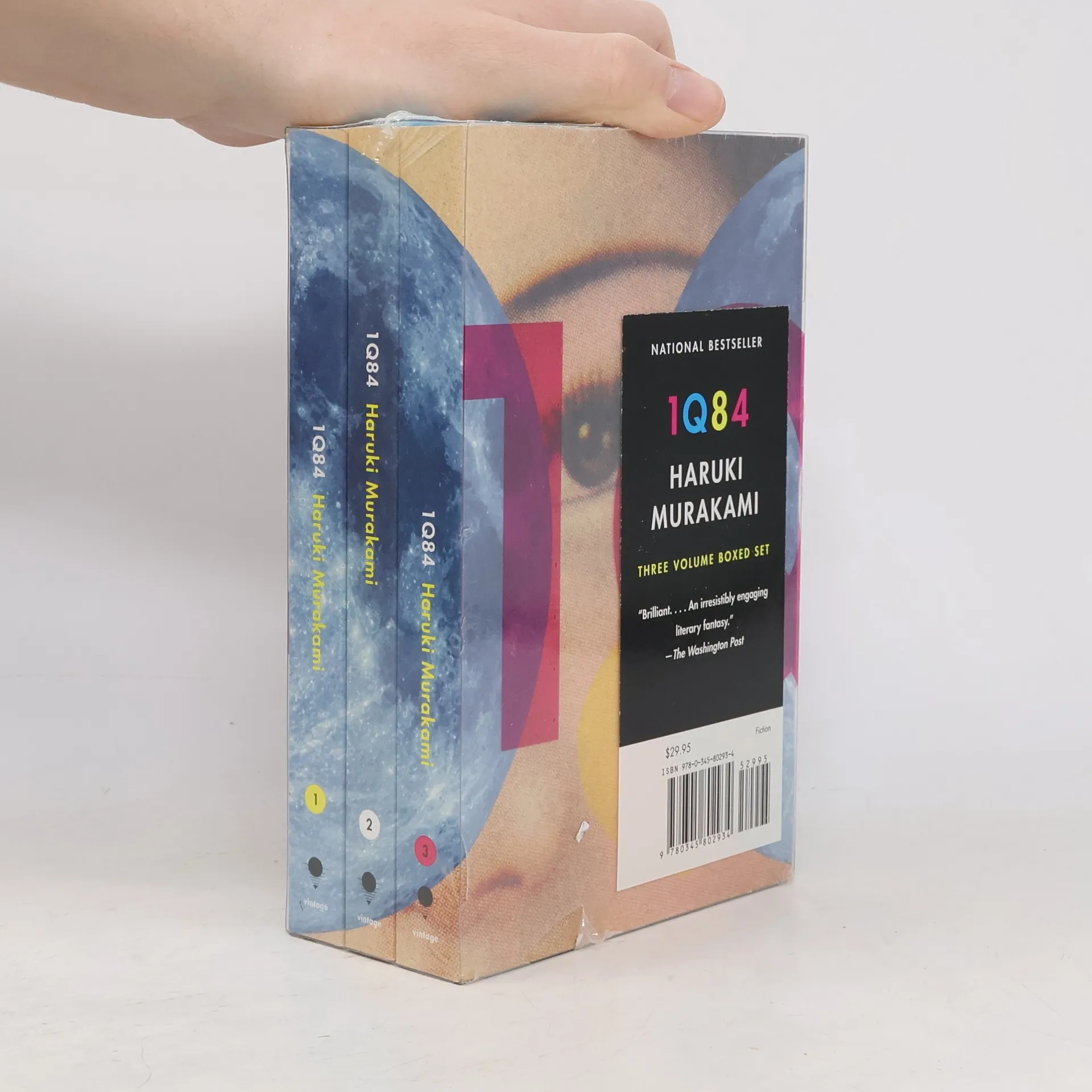
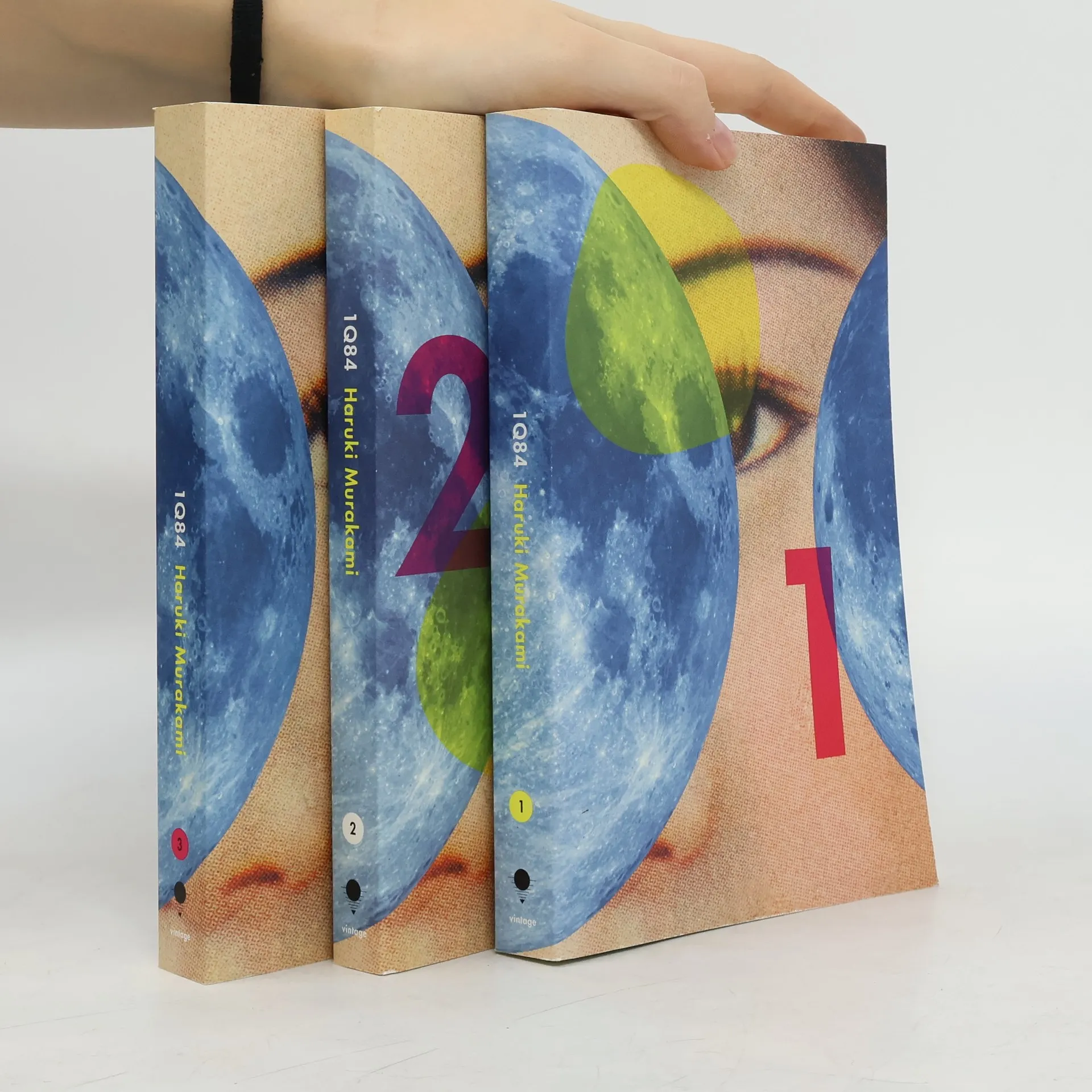
In 1984, Aomame, a woman with two differently sized ears, commits an assassination during a rendezvous with a wealthy oil dealer, seeking to right a past wrong. Meanwhile, Tengo, an aspiring writer, is tasked with rewriting a novel by the eccentric 17-year-old Fukaeri to help her win a literary prize. Though the story is highly original, it is poorly written, making this a risky endeavor. Aomame begins to question why her crime has not been reported in the news and wonders if she has entered a parallel world. To distinguish this eerie realm from her ordinary life in 1984, she names it 1Q84. The narrative intertwines the lives of Aomame and Tengo as they navigate their respective journeys, exploring themes of reality, identity, and the nature of existence.
The journey of Haruki Murakami from a jazz bar owner to a literary sensation began in 1978 when a moment of inspiration struck him during a baseball game. His debut novel, Hear the Wind Sing, garnered acclaim and set the stage for subsequent works like A Wild Sheep Chase and Hard-Boiled Wonderland and the End of the World. However, it was the 1987 release of Norwegian Wood that catapulted him to international fame, establishing his reputation as a bestselling author and introducing readers to his captivating and distinctive fictional world.
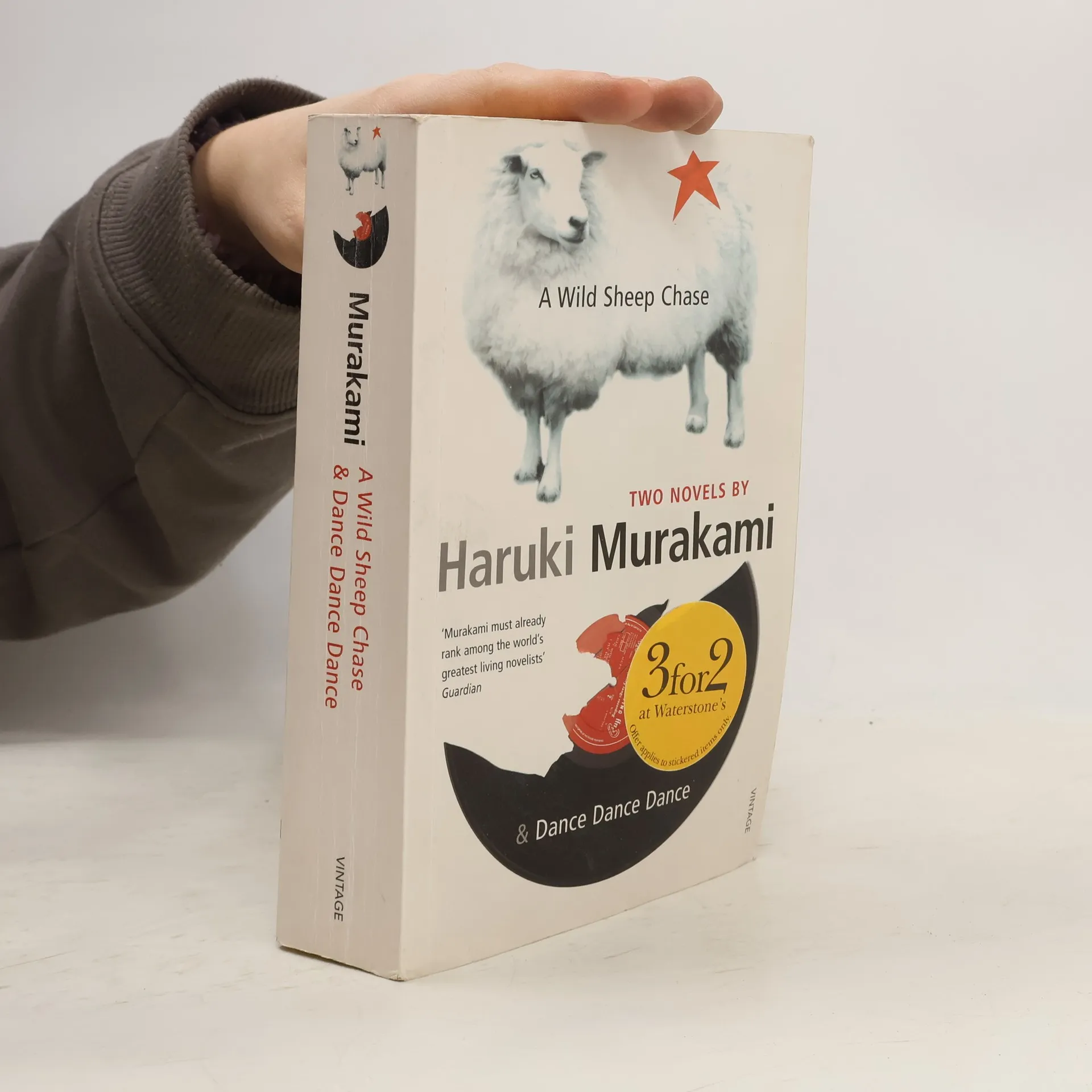
"A Wild Sheep Chase" - His life was like his recurring nightmare: a train to nowhere. But an ordinary life has a way of taking an extraordinary turn. Add a girl whose ears are so exquisite that, when uncovered, they improve sex a thousand-fold, a runaway friend, a right-wing politico, an ovine-obsessed professor and a manic-depressive in a sheep outfit, implicate them in a hunt for a sheep, that may or may not be running the world, and the upshot is another singular masterpiece from Haruki Murakami. "Dance Dance Dance" - High-class call girls billed to Mastercard; a psychic thirteen-year-old drop-out with a passion for Talking Heads; a hunky matinee idol doomed to play dentists and teachers; a one-armed beach-combing poet, an uptight hotel clerk and one very bemused narrator caught in the web of advanced capitalist mayhem; combine this offbeat cast of characters with Murakami's idiosyncratic prose and out comes "Dance Dance Dance". It is an assault on the senses, part murder mystery, part metaphysical speculation; a fable for our times as catchy as a rock song blasting from the window of a sports car.
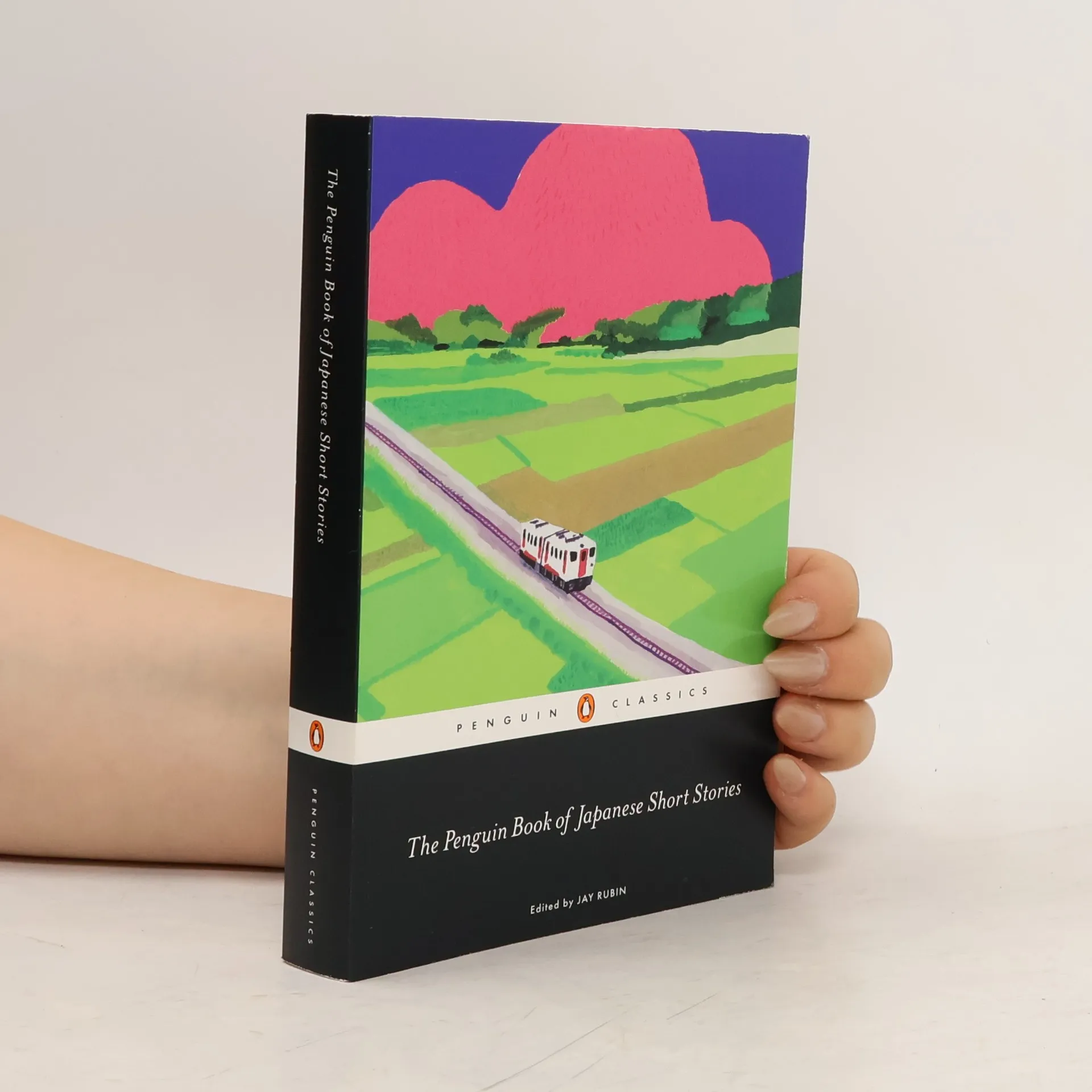
A major new anthology of great Japanese short stories introduced by Haruki Murakami.This fantastically varied and exciting collection celebrates the great Japanese short story collection, from its origins in the nineteenth century to the remarkable practitioners writing today. Curated by Jay Rubin (who has himself freshly translated several of the stories) and introduced by Haruki Murakami this is a book which will be a revelation to many of its readers. Short story writers already well-known to English-language readers are all included - Tanizaki, Akutagawa, Murakami, Mishima, Kawabata, Yoshimoto - but also many surprising new finds. From Tsushima Yuko's 'Flames' to Sawanishi Yuten's 'Filling Up with Sugar', from Hoshi Shin'ichi's 'Shoulder-Top Secretary' to Yoshimoto Banana's 'Bee Honey', The Penguin Book of Japanese Short Stories is filled with fear, charm, beauty and comedy.
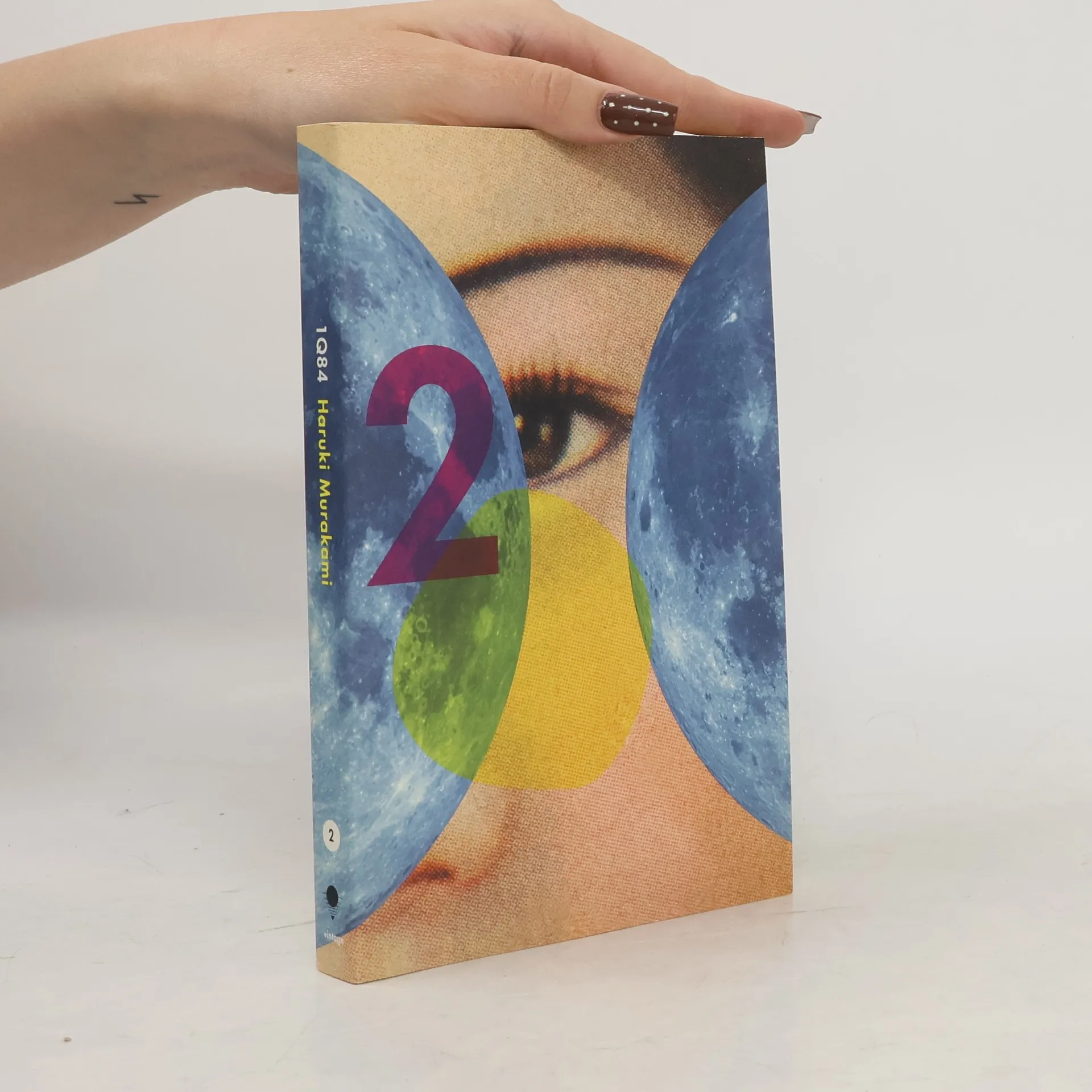
U ovom drugom tomu, Aomame i Tengo, sticajem neobičnih događaja, potvrđuju svoje sumnje da se nalaze u drugom vremenu - u godini 1Q84 - iz kojeg ne mogu da se vrate natrag u 1984. godinu i svoje realno vreme. Njihova ljubav, iako je čini samo stisak ruke u detinjstvu, jedina je istinska i prava u ovom romanu. Ona je pokretač svih dešavanja i jača uprkos njihovoj razdvojenosti, a oni se sve više približavaju jedno drugom. Murakami se u ovom nastavku produbljeno bavi filozofskim temama, odnosom dobra i zla, krivice i kazne i, pre svega, smislom života, stavom prema smrti, žrtvovanjem, ali i porodičnim vezama i, neizostavno, ljubavlju. „Ako u svetu nema ljubavi, sve je iluzija i imitacija." Autor nas upozorava da ljubav jeste glavni pokretač, ali je u modernom svetu često nema onde gde najviše treba da je bude - između muža i žene i roditelja i dece. Poznat, i zbog toga u Japanu često kritikovan, kao pisac koji unosi previše zapadnjačke tradicije u svoje romane, Murakami je ovu priču o univerzalnim temama zajedničkim za ceo svet, obojio više no ikad pre istočnjačkom filozofijom i japanskim načinom života, naročito kuhinjom, čiji nas sastojci omamljuju sa stranica ove knjige. Nastaviće se u trećem delu......
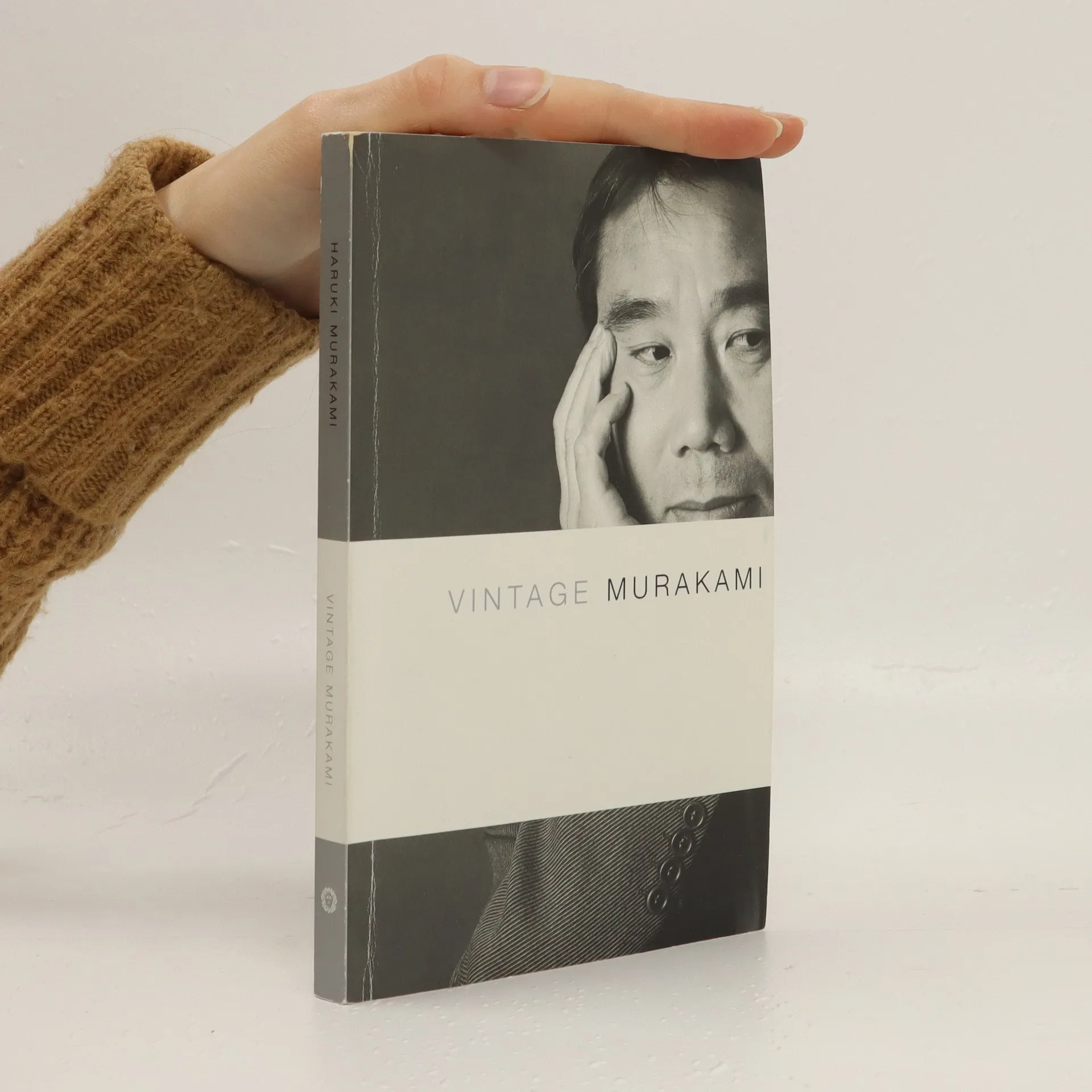
Not since Yukio Mishima and Yasunari Kawabata has a Japanese writer won the international acclaim enjoyed hy Haruki Murakami. His genre- busting novels, short stones, and repodage, which have been translated into thirty-four languages, meld the surreal and the hard-boiled, deadpan comedy and delicate introspection.Vintage Murakami includes the opening cnapter of the international bestseller Norwegian Wood; •'Lieueenant Mamiya's Long Story: Parts I and II" from his monumental novel The Wind-Up Bird Chronicle; "Shizuko Akashi" from: Underground, his nonfiction book on the Toyko subway attack 1995; and the short stories "Barn Burning," and "honey pie."Also included, for the first time in book form, the short story "Ice Man."--back coverTable of Contents"Barn burning" from The Elephant vanished -- "Shizuko Akashi" from Underground -- "Honeypie" from After the Quake -- "Lieutenant Mamiya's long stories: Part I" from the Wind-up bird chronicle -- "Lieutenant Mamiya's long stories: Part II" from the Wind-up bird chronicle -- "Ice man."
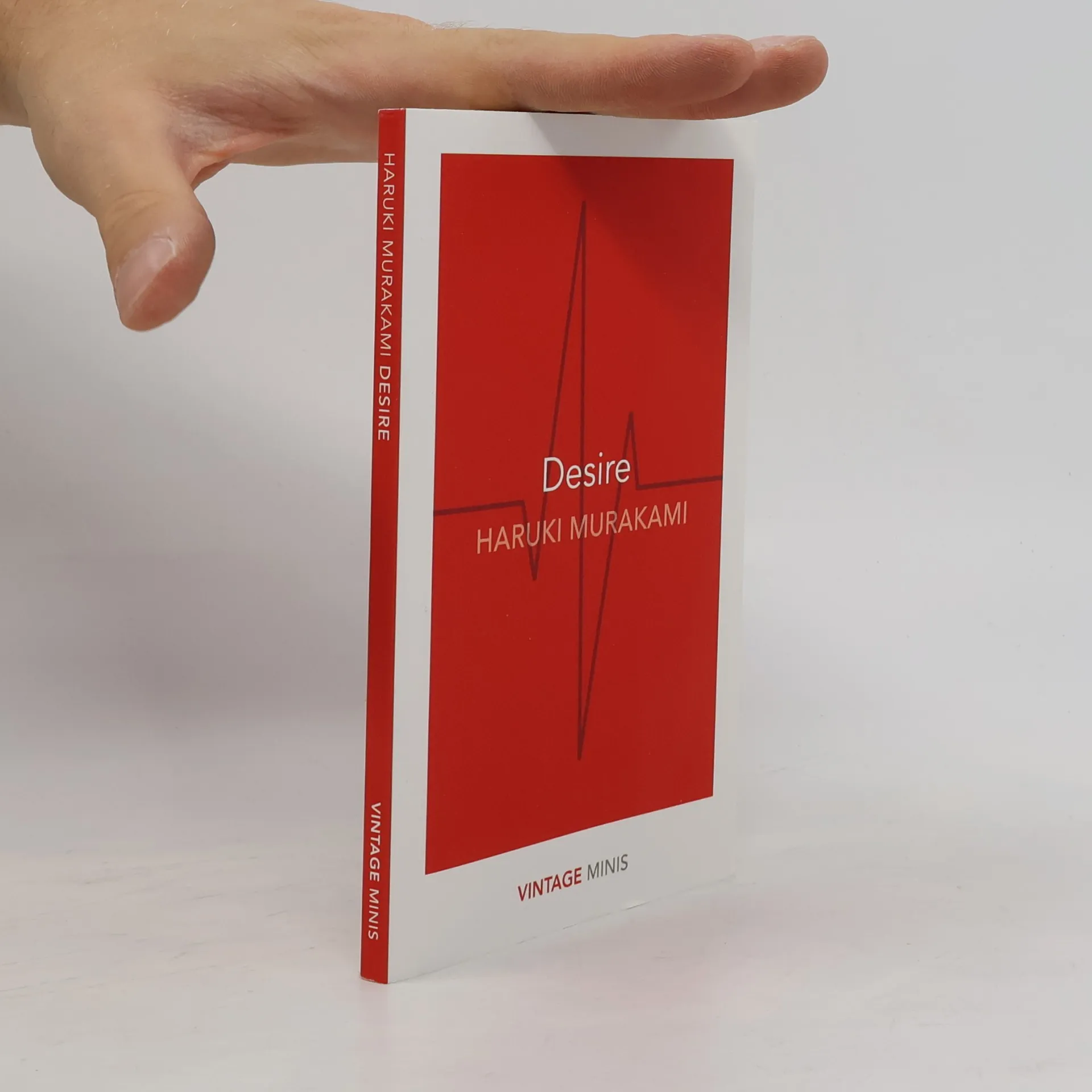
You've just passed someone on the street who could be the love of your life, the person you're destined for - what do you do? In Murakami's world, you tell them a story. The five weird and wonderful tales collected here each unlock the many-tongued language of desire, whether it takes the form of hunger, lust, sudden infatuation or the secret longings of the heart. Selected from Haruki's Murakami's short story collections The Elephant Vanishes, Blind Willow Sleeping Woman, Men Without Women VINTAGE MINIS- GREAT MINDS. BIG IDEAS. LITTLE BOOKS. A series of short books by the world's greatest writers on the experiences that make us human Also in the Vintage Minis series- Love by Jeanette Winterson Psychedelics by Aldous Huxley Eating by Nigella Lawson Summer by Laurie Lee
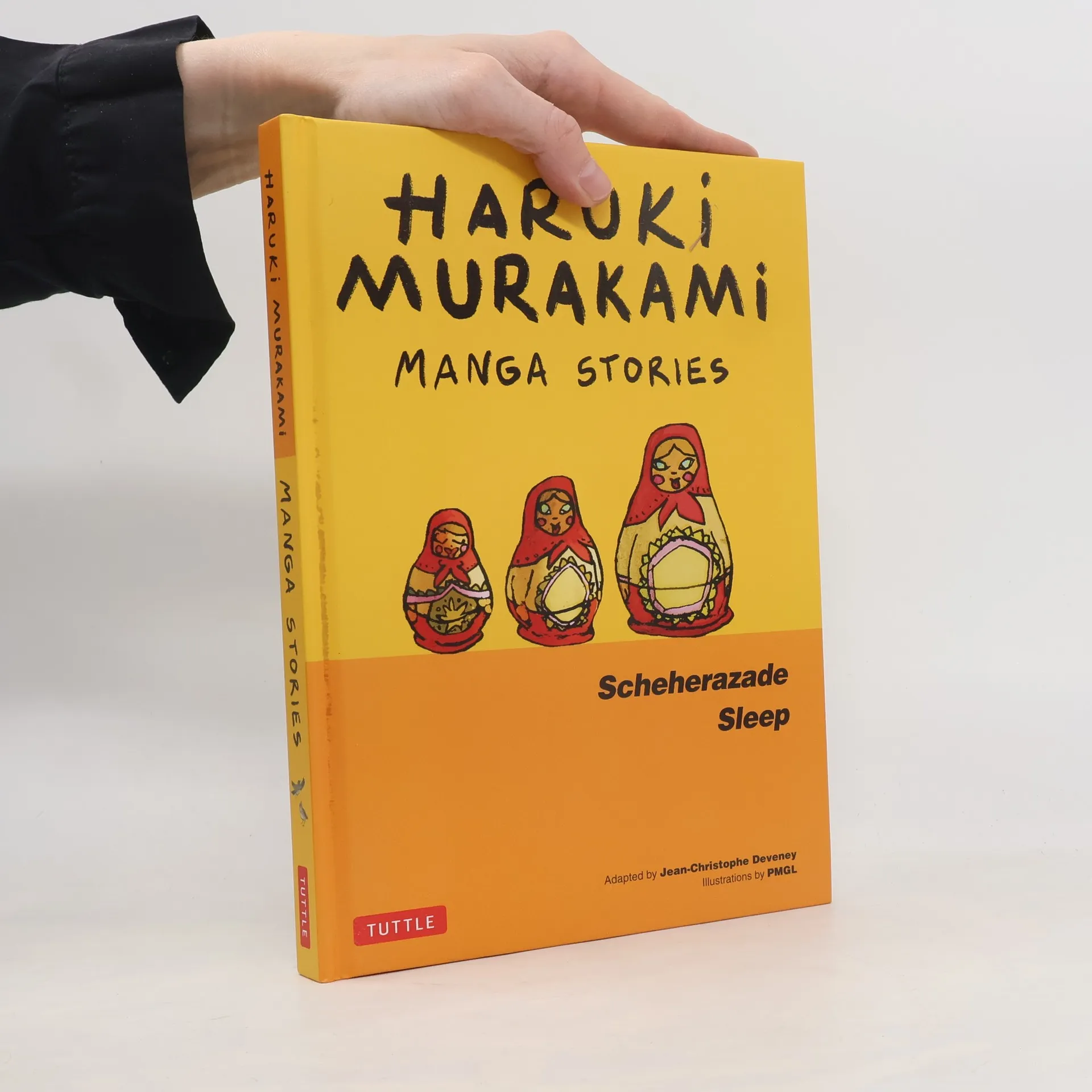
Haruki Murakami's best-loved stories finally available in graphic novel form!With their trademark mix of realism and fantasy, centering around Murakami's signature themes of loss, remorse and confusion, the two stories in this volume are: Scheherezade: a man named Habara is confined to his house and is visited by a nurse, Scheherezade, who brings him provisions and has sex with him. She tells Habara the story of a boy she had a crush on when she was young, whose house she repeatedly broke into. She tells him the story over several visits, and the story ends before Scheherezade finishes. Habara worries he may never see Scheherezade again. Sleep: recounts the life of a housewife with a regimented existence. But at night, she has her own life, as though she enters an extra-dimensional space. In this world she examines her own life and family and ponders the meaning of death.These new graphic versions of classic Murakami short stories will be devoured by his fans and will provide a new window onto his work for a new generation of readers not yet familiar with it!
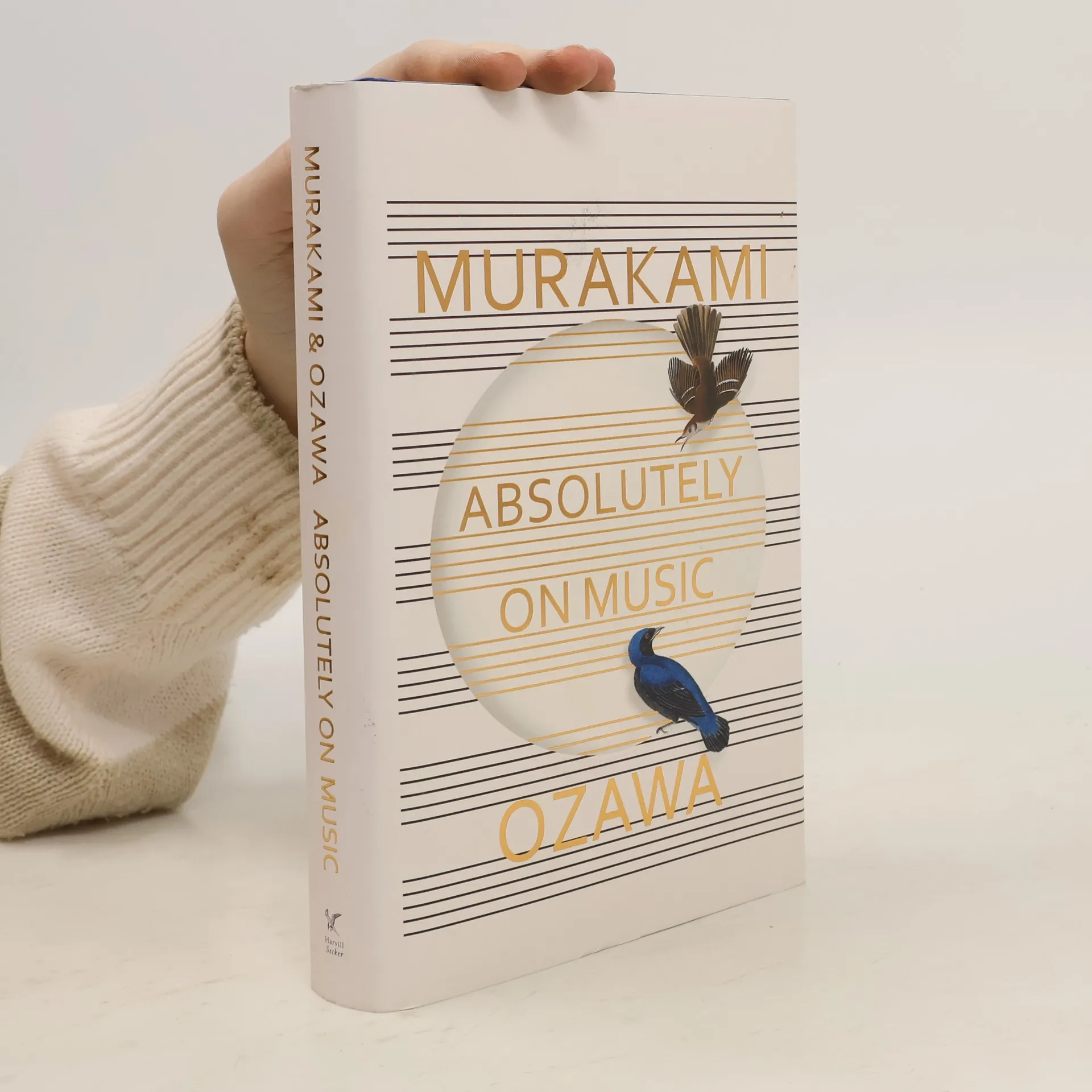
An intimate conversation about music and creativity, between the internationally bestselling writer and a world-class conductor. 'My only purpose in this book was for me, as a music lover, to have a discussion of music with the musician Seiji Ozawa that was as open and honest as possible. I simply wanted to bring out the ways that each of us (though on vastly different levels) is dedicated to music.' Haruki Murakami's passion for music runs deep. Before turning his hand to writing, he ran a jazz club in Tokyo, and the aesthetic and emotional power of music permeates every one of his much-loved books. Now, in Absolutely on Music, Murakami fulfills a personal dream, sitting down with his friend, acclaimed conductor Seiji Ozawa, to talk about their shared interest. Transcribed from lengthy conversations about the nature of music and writing, here they discuss everything from Brahms to Beethoven, from Leonard Bernstein to Glenn Gould, from record collecting to pop-up orchestras, and much more. Ultimately this book gives readers an unprecedented glimpse into the minds of two maestros.
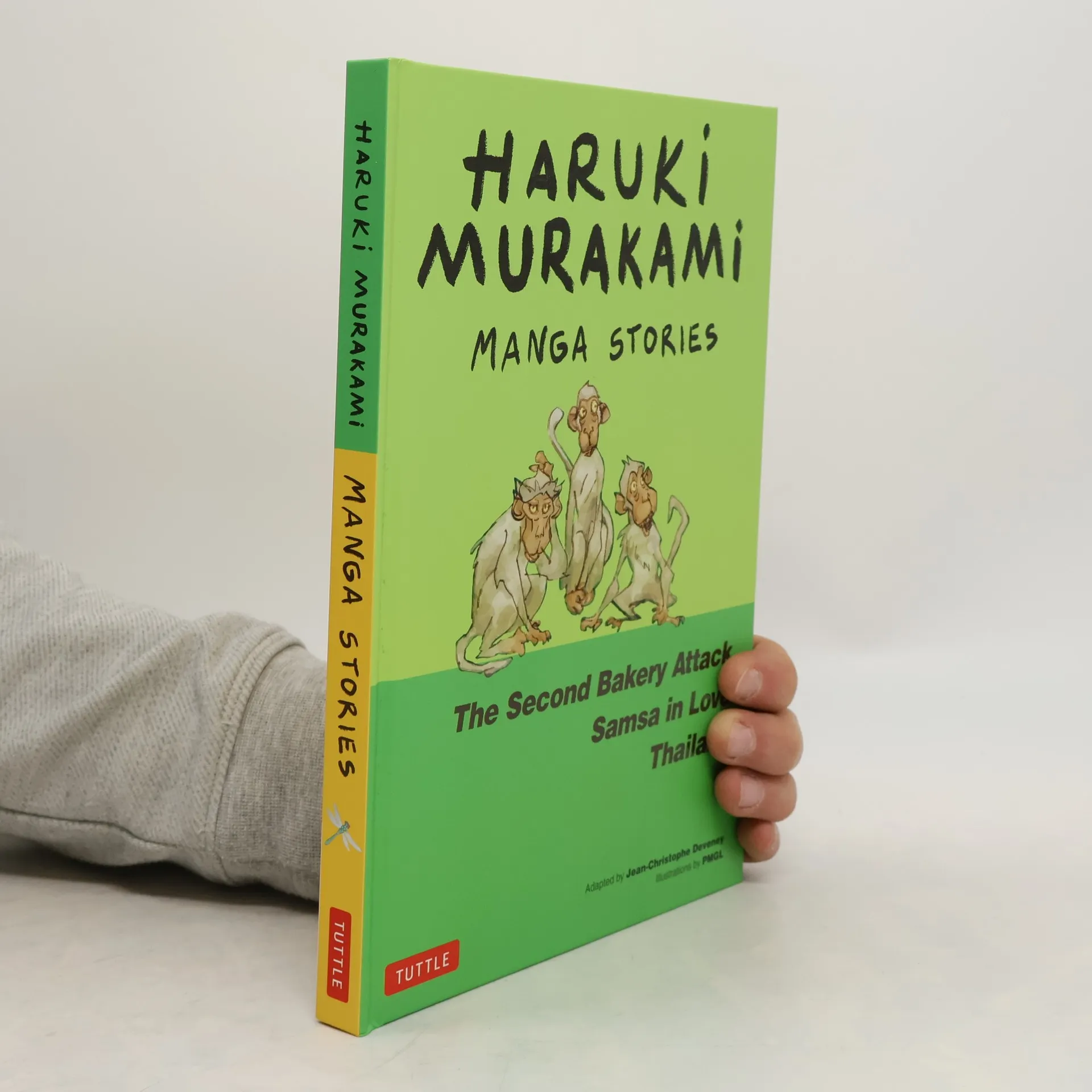
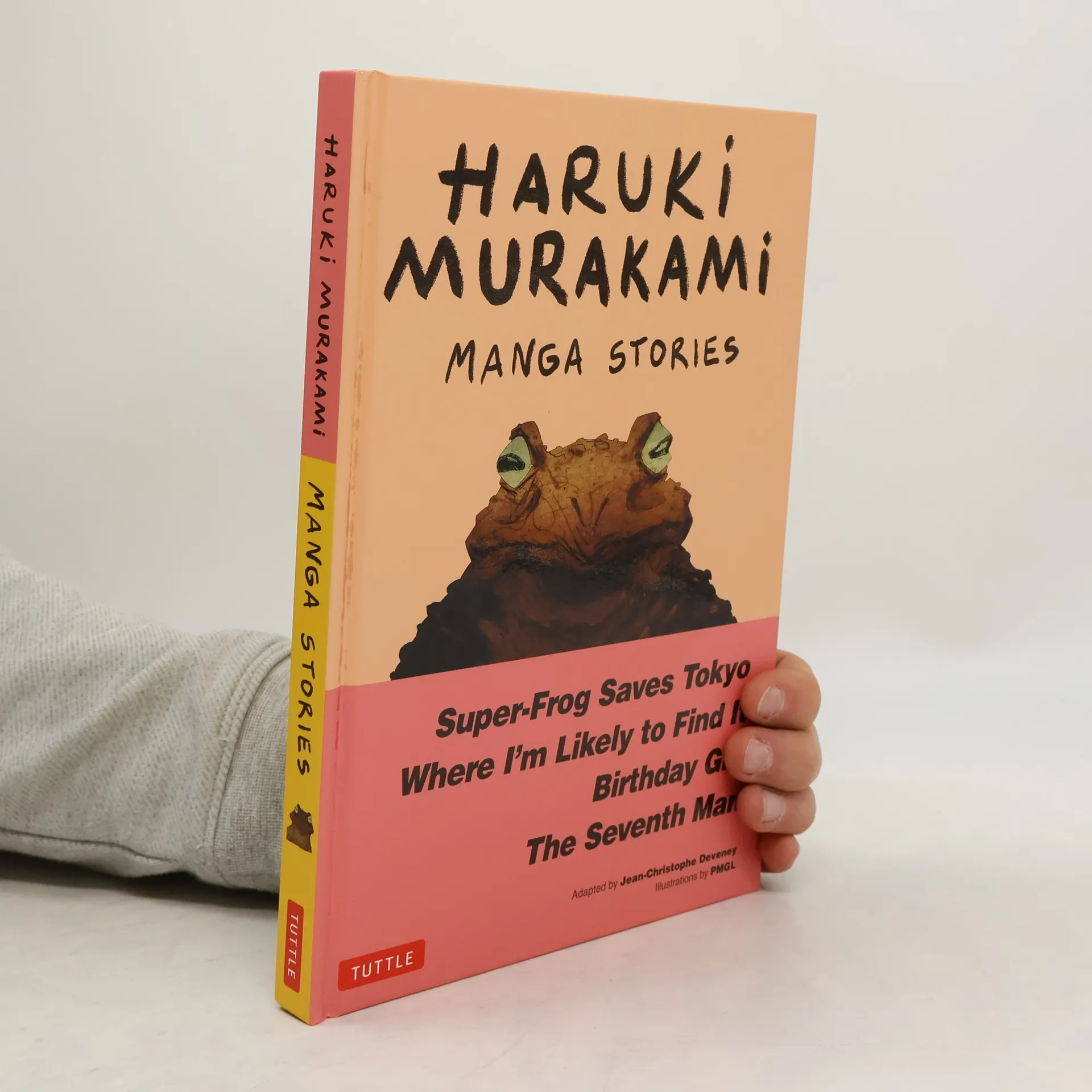
Haruki Murakami's beloved short stories are now presented in graphic novel form for the first time in English. This volume, the first of three, features four captivating tales from his bestselling collections, blending realism and fantasy while exploring themes of loss, remorse, and confusion.
In "Super-Frog Saves Tokyo," Katagiri encounters a giant frog promising to save Tokyo from another earthquake, leading him to question reality and confront his feelings of powerlessness. "Where I'm Likely to Find It" follows a woman whose missing husband prompts a detective to reflect on his own life amidst a Kafkaesque exploration of disappearance and coping.
"Birthday Girl" recounts a surreal encounter on a woman's twentieth birthday with her restaurant's owner, who grants her a wish. "The Seventh Man" tells the poignant story of a man haunted by the death of his childhood friend in a tsunami, capturing Murakami's signature emotional depth and surrealism.
This graphic adaptation offers a fresh perspective on Murakami's work, appealing to both dedicated fans and younger readers new to his stories. Recommended for ages 16 and up due to mature themes and graphic content.
Un document necessari i commovedor de l’atac terrorista que va sacsejar Tokio el 1995. Una obra de literatura periodística que recull els testimonis de les víctimes de l’atac amb gas sarín al metro de Tòquio l’any 1995, així com la visió dels botxins, membres de la secta Aum Shinrikyo, i que analitza amb molta precisió la psicologia nipona i busca el perquè d’uns atemptats tan violents i cruels.
In this enviable gathering, Haruki Murakami has chosen for his party some of the very best short story writers of recent years, each with their own birthday experiences, each story a snapshot of life on a single day. Including stories by Russell Banks, Et
"The international literary icon opens his eclectic closet: Here are photographs of Murakami's extensive and personal T-shirt collection, accompanied by essays that reveal a side of the writer rarely seen by the public. Considered "the world's most popular cult novelist" (The Guardian), Haruki Murakami's books have galvanized millions around the world. Many of his fans know about his 10,000 vinyl record collection, and his obsession with running, but few have heard about a more intimate, and perhaps more unique, passion: his T-shirt collecting habit. In Murakami T, the famously reclusive novelist shows us his T-shirts--including gems from the Springsteen on Broadway show in NYC, from The Beach Boys concert in Honolulu to the shirt that inspired the beloved short story, "Tony Takitani." Accompanied by short, frank essays that have been translated into English for the first time, these photographs reveal much about Murakami's multifaceted and wonderfully eccentric persona"--Publisher's description
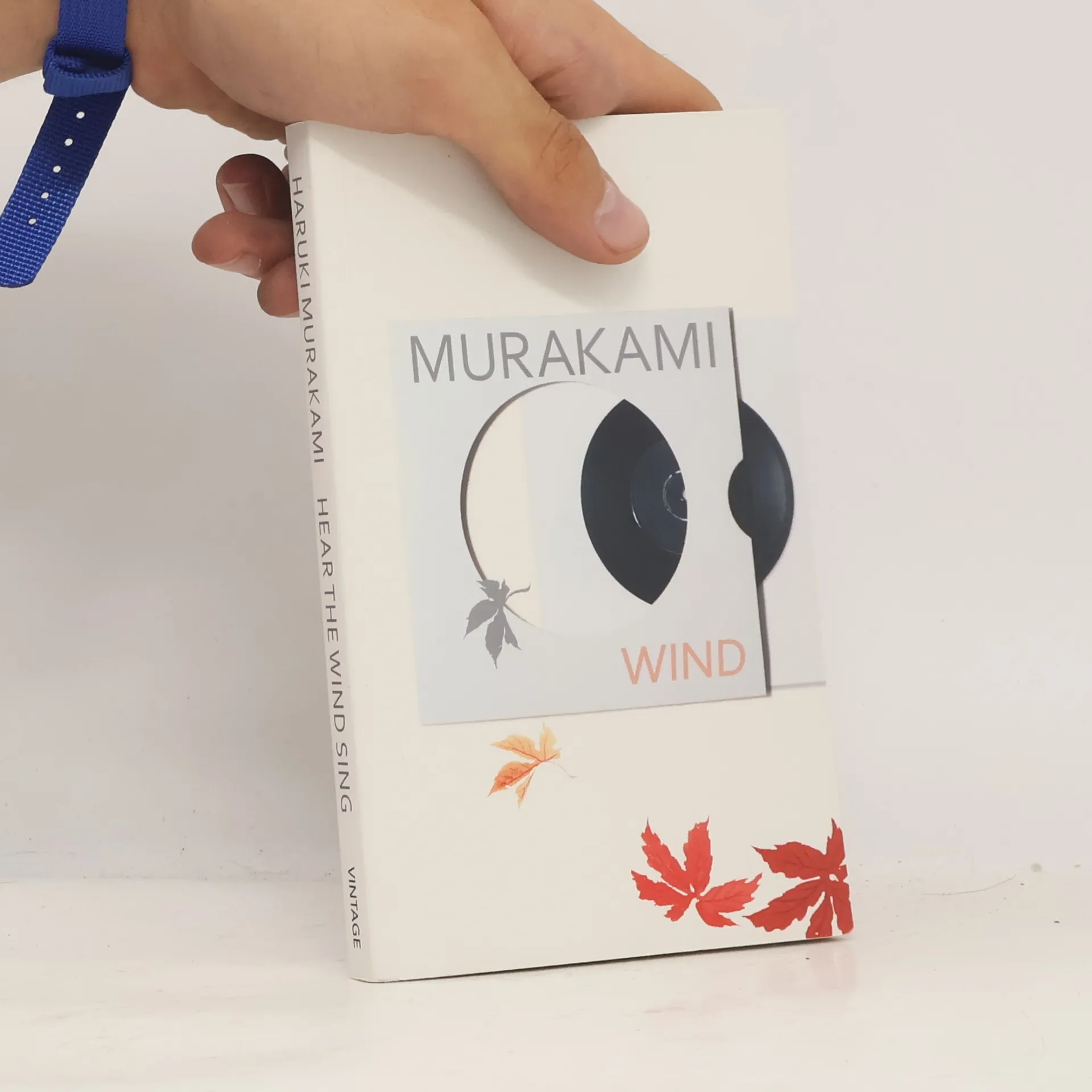
Hear the Wind Sing is Murakami's first novel, available for the first time in English outside Japan. In Hear the Wind Sing the narrator is home from college on his summer break. He spends his time drinking beer and smoking in Jâe(tm)s Bar with the Rat, listening to the radio, thinking about writing and the women he has slept with, and pursuing a relationship with a girl with nine fingers. The story of the narrator, the Rat and J continues in Pinball, 1973.
Pinball, 1973 is Murakami's second novel, available for the first time in English outside Japan. With a new introduction by the author. Hear the Wind Sing and Pinball, 1973 are Haruki Murakamiâe(tm)s earliest novels. They follow the fortunes of the narrator and his friend, known only by his nickname, the Rat. Pinball, 1973 picks up three years after the events of Hear the Wind Sing. The narrator has moved to Tokyo to work as a translator and live with indistinguishable twin girls, but the Rat has remained behind, despite his efforts to leave both the town and his girlfriend. The narrator finds himself haunted by memories of his own doomed relationship but also, more bizarrely, by his short-lived obsession with playing pinball in Jâe(tm)s Bar. This sends him on a quest to find the exact model of pinball machine he had enjoyed playing years earlier: the three-flipper Spaceship.
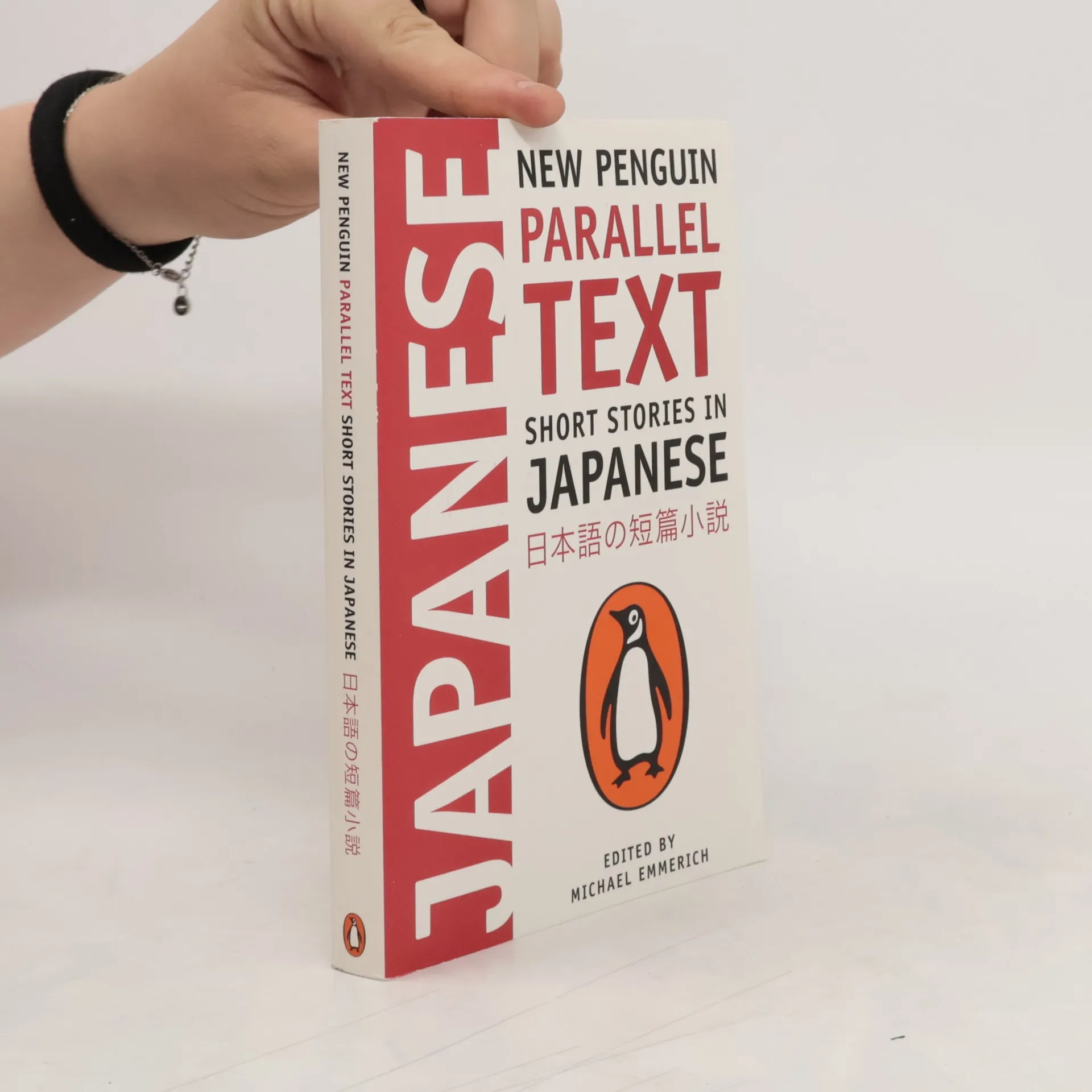
A dual-language edition of Japanese stories—many appearing in English for the first time This volume of eight short stories, with parallel translations, offers students at all levels the opportunity to enjoy a wide range of contemporary literature without having constantly to refer back to a dictionary. The stories—many of which appear here in English for the first time—are by well-known writers like Haruki Murakami and Banana Yoshimoto, as well as emerging voices like Abe Kazushige, Ishii Shinji, and Kawakami Hiromi. From the orthodox to the cutting-edge, they represent a range of styles and themes, showcasing the diversity of Japanese fiction over the past few decades in a collection that is equally rewarding for beginning, intermediate, and advanced students of English or Japanese. Complete with notes, the stories make excellent reading in either language.
An ode to George Orwell's "1984" told in alternating male and female voices relates the stories of Aomame, an assassin for a secret organization who discovers that she has been transported to an alternate reality, and Tengo, a mathematics lecturer and novice writer.
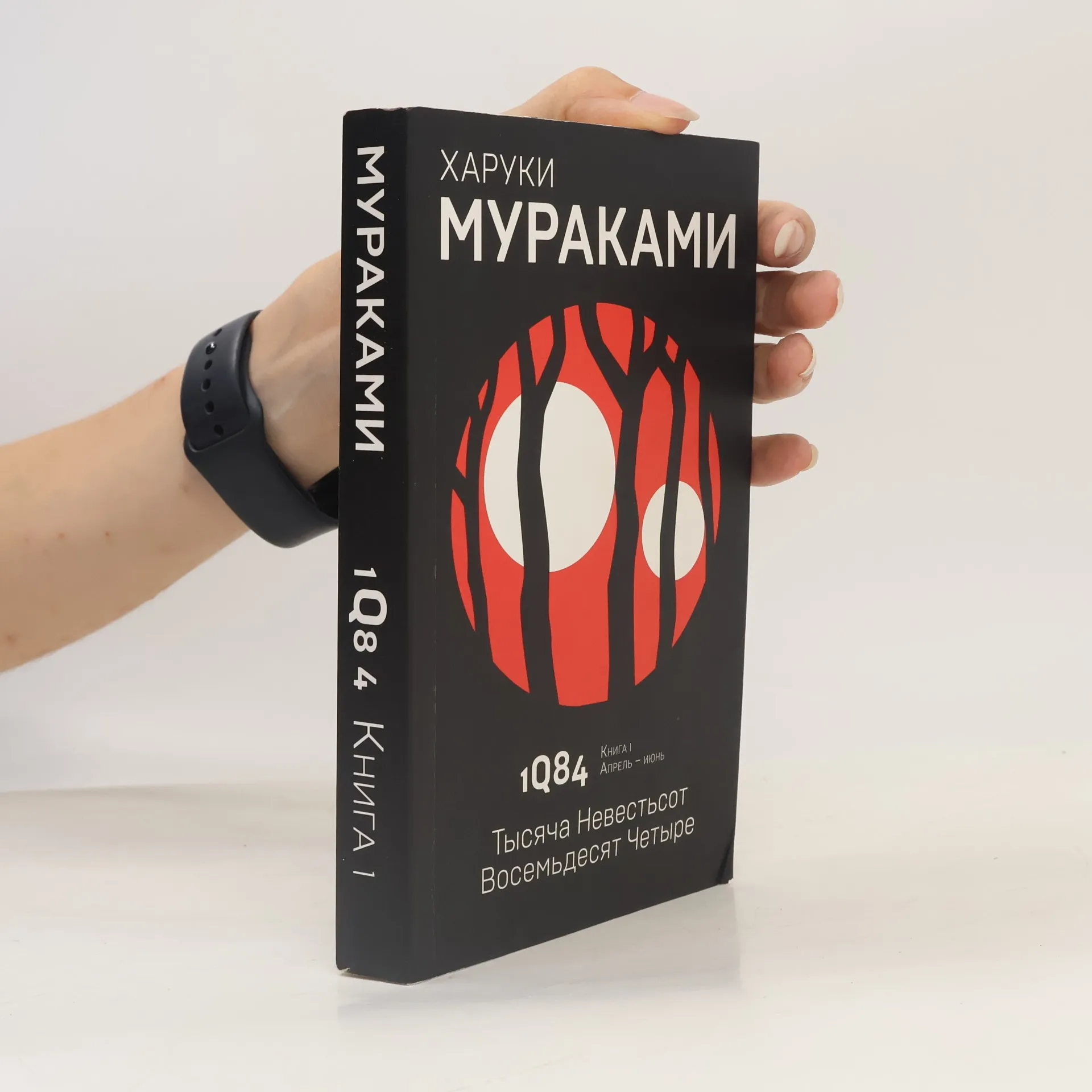
Главная литературная сенсация нового века, "магнум-опус прославленного мастера" и "обязательное чтение для любого, кто хочет разобраться в японской культуре наших дней", по выражению критиков. Действие книги происходит не столько в тысяча девятьсот восемьдесят четвертом году, сколько в тысяча невестьсот восемьдесят четвертом, в мире, где некоторые видят на небе две луны, где ключом к вечной любви служит Симфониетта Яначека, где полицейских после всколыхнувшей всю страну перестрелки с сектантами перевооружили автоматическими пистолетами взамен револьверов, где LittlePeople — Маленький Народец — выходят изо рта мертвой козы и плетут Воздушный Кокон.
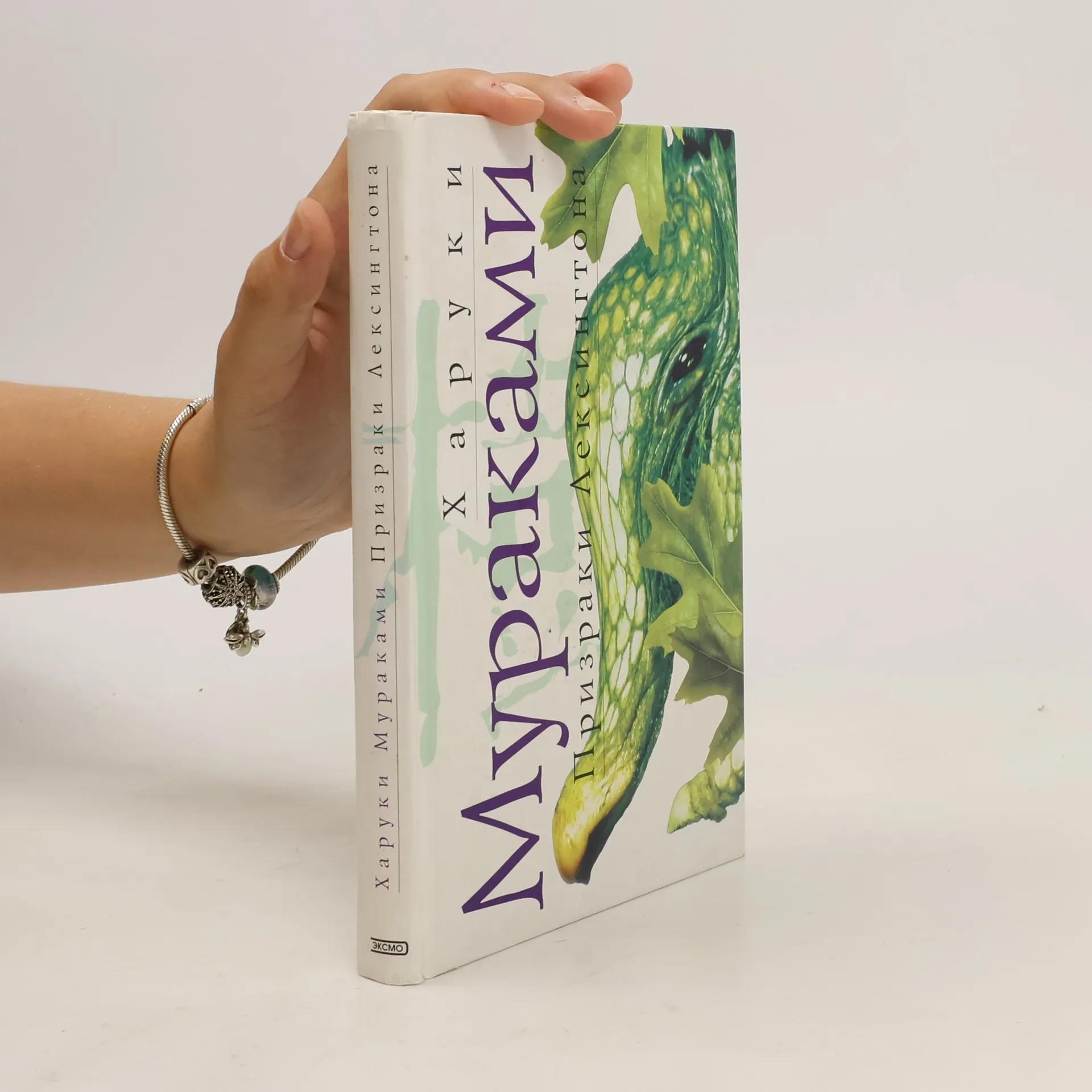
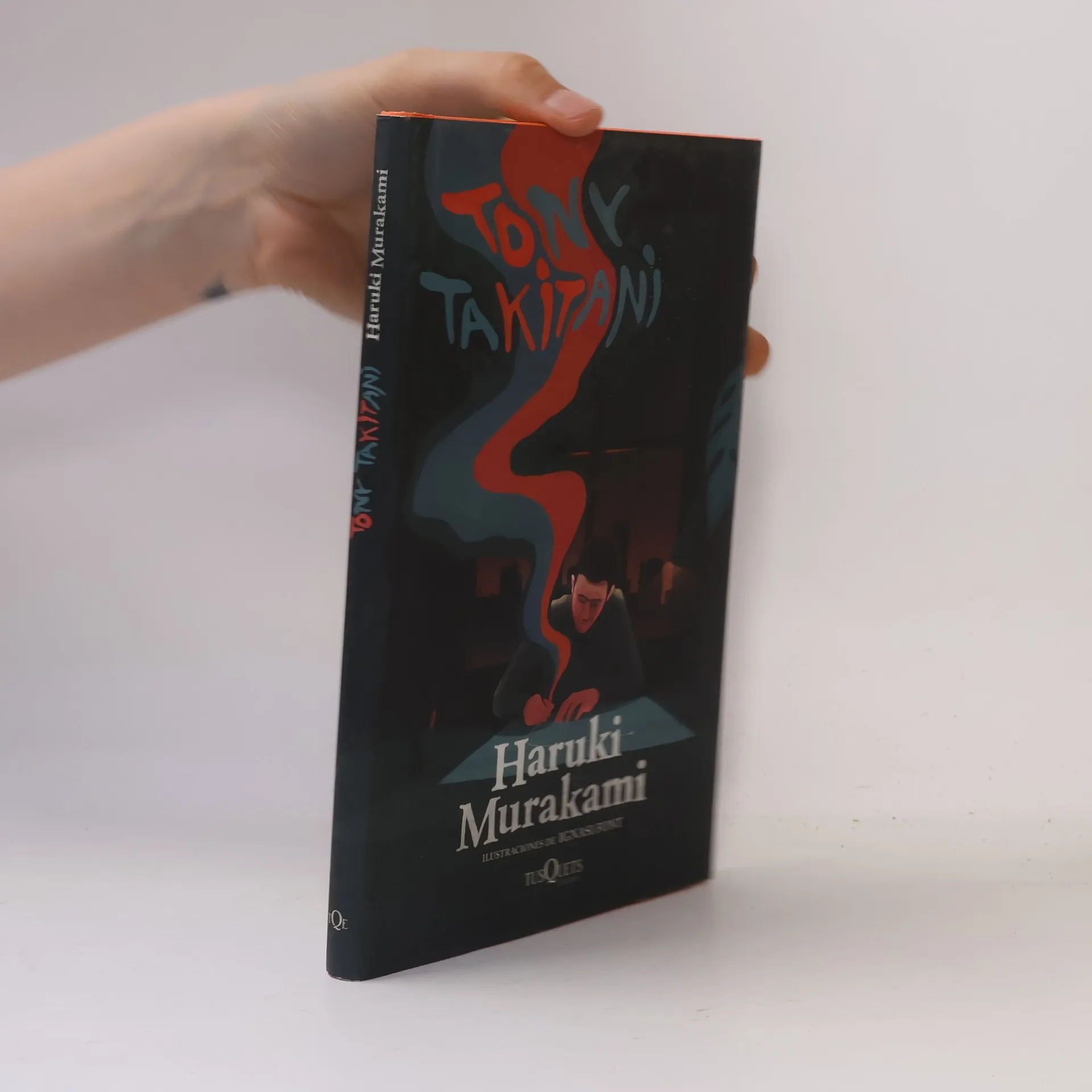
"Призраки Лексингтона" - один из самых известных сборников рассказов классика современной японской литературы Харуки Мураками. Автор популярных во всем мире романов "Охота на овец", "Дэнс, дэнс, дэнс" и "Хроники заводной птицы" предстает в нем как мастер короткой прозы. Рассказ "Тони Такитани" был перенесён на киноэкран режиссёром Дзюном Итикавой с великим японским актёром Иссеем Огатой в главной роли.
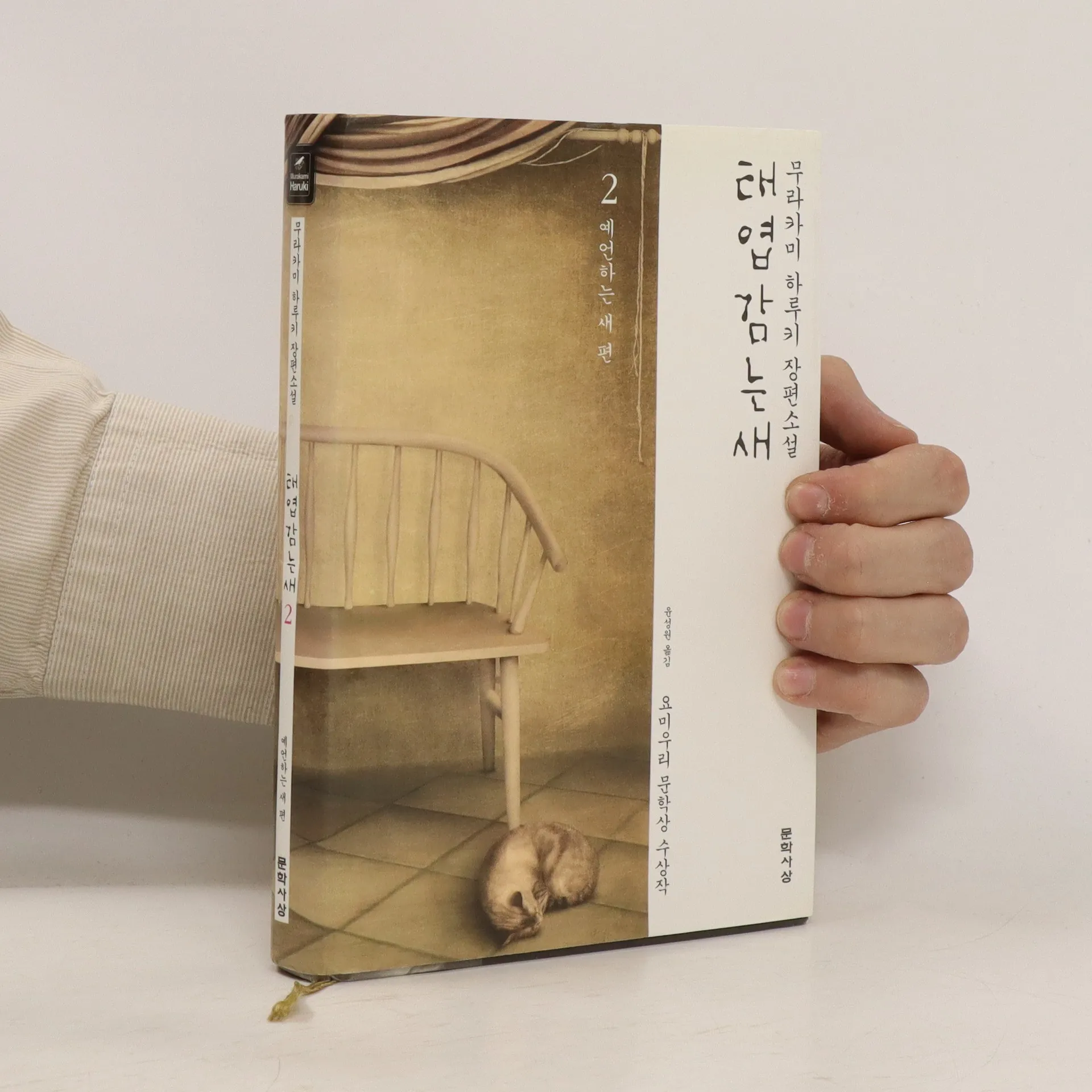
소설 "태엽감는 새"는 세계에서 가장 인기 있는 작가 중 한 명인 하룬키 무라카미의 작품으로, 진정한 조이스적 규모를 지니고 있다. 제2차 세계대전의 공포와 현대 일본인의 운명, 편지, 신비로운 꿈, 기억, 잡지 기사, 암호화된 파일 등으로 구성된 이 작품은 믿을 수 없는 사건들, 섬세한 아이러니, 그리고 하룬키 무라카미 특유의 독창적인 어조로 엮인 완전한 서사이다. "태엽감는 새. 3: 새잡이꾼 편 I"는 "태엽감는 새"의 세 번째 부분이다.
Художник, способный уловить тайны, скрывающиеся за лицами людей, которых он рисует. Запутанная картина, найденная спустя десятки лет на чердаке дома. Шорох в лесу, окруженном странными соседями. И колокол с его величественным и печальным звоном проникает между деревьями леса в сердце ночи. Роман о созидательной силе искусства и разрушительной силе насилия; о способности превращать нашу хрупкость в золото, как бы мрачными ни казались наши дни. Как всегда, Муараками очаровывает нас своим раскрытием сверхъестественного в нашей рутине, находя магию в деталях нашей повседневной жизни. В "Убийстве Командора" гениальность Муараками мастерски движется между реальностью и бредом.
Четыре года спустя после "Охоты на овцу" Мураками наш герой снова оказывается в отеле "Дельфины", где его манят странные сны. Встреча с загадочным Человеком-Овцой приводит к необычным встречам с привлекательной, но нервной рецепционисткой, одноруким американским поэтом, капризной подростком, разочарованным актером, очаровательной проституткой и самодовольным писателем (Хираку Макимура!). Затем появляется Майкл Джексон в роли абиссинского принца и Бой Джордж, спускающийся с небес. Как они все связаны? И почему число жертв продолжает расти? Игра на грани между сном и реальностью, поиск человеческого контакта в гиперкапиталистическом обществе и проницательные музыкальные анализы составляют ингредиенты этого романа, который, по словам Харуки Мураками, ему было особенно приятно писать. Продолжайте танцевать, пока играет музыка.
Eine melancholische Geschichte über eine Dreiecksbeziehung, das Schreiben und zwei Bären. Junpei ist Schriftsteller, seine Spezialität: Kurzgeschichten über unerwiderte Liebe. Das Thema seines Lebens. Seit der Uni ist er in Sayoko verliebt, die seinen besten Freund geheiratet hat. Trotz allem hat die Freundschaft zwischen den dreien Bestand, anders als die Liebe von Sayoko und Junpeis bestem Freund: Sie bekommen eine Tochter namens Sara, trennen sich aber kurz darauf. Mit den Jahren wird Junpei zu einer Art Ersatzvater für Sara. Nach einem schrecklichen Erdbeben leidet sie unter Albträumen. Nur Junpei kann sie beruhigen – mit seinen Geschichten über einen Bären und seinen besten Freund. Und er ist fest entschlossen, für immer über Sayokos und Saras Schlaf zu wachen … Haruki Murakami ist ein Meister der kurzen Form. In ›Honigkuchen‹ offenbart er sein großes Herz für alle Zögernden und Zaudernden. Kat Menschik hat die warmherzige Geschichte des wichtigsten japanischen Autors unserer Zeit in unvergessliche Bilder gegossen.
Tokió külvárosában egy Okada Toru nevű munka nélküli fiatalember először csak felesége elveszett macskája keresésére indul, idővel aztán rádöbben, hogy a felesége is elhagyta. A város békés felszíne alatt rejtőző föld alatti világba keveredve különös ismeretséget köt egy testvérpárral, akik a görög szigetvilág két tagjáról kapták a nevüket. A szomszédban lakó bolondos lány révén beavatást nyer a parókakészítés rejtelmeibe, egy nyugalmazott tiszt pedig a mandzsúriai háború tapasztalatait osztja meg vele. A zenekedvelő és rezignált Toru titokzatos állást vállal az inkognitójukat messzemenőkig őrző Szerecsendiónál és Fahéjnál, s eltűnt háziállatának és házastársának felkutatása miatt szó szerint sötét és mély kútba kell alászállnia. Murakami valóságot és misztikumot ötvöző regényének felzaklató történeteit az elbeszélés szenvtelen nyugalma ellensúlyozza, feszült kíváncsiságot ébresztve az olvasóban, aki az események sodrásának engedve képtelen letenni a könyvet. A lapok közül pedig minduntalan kihallatszik a világ mozgásban tartásáért felelős, láthatatlan kurblimadár hangja: gíííííííí...
Tokió külvárosában egy Okada Toru nevű munka nélküli fiatalember először csak felesége elveszett macskája keresésére indul, idővel aztán rádöbben, hogy a felesége is elhagyta. A város békés felszíne alatt rejtőző föld alatti világba keveredve különös ismeretséget köt egy testvérpárral, akik a görög szigetvilág két tagjáról kapták a nevüket. A szomszédban lakó bolondos lány révén beavatást nyer a parókakészítés rejtelmeibe, egy nyugalmazott tiszt pedig a mandzsúriai háború tapasztalatait osztja meg vele. A zenekedvelő és rezignált Toru titokzatos állást vállal az inkognitójukat messzemenőkig őrző Szerecsendiónál és Fahéjnál, s eltűnt háziállatának és házastársának felkutatása miatt szó szerint sötét és mély kútba kell alászállnia. Murakami valóságot és misztikumot ötvöző regényének felzaklató történeteit az elbeszélés szenvtelen nyugalma ellensúlyozza, feszült kíváncsiságot ébresztve az olvasóban, aki az események sodrásának engedve képtelen letenni a könyvet. A lapok közül pedig minduntalan kihallatszik a világ mozgásban tartásáért felelős, láthatatlan kurblimadár hangja: gíííííííí...
Een zesendertigjarige pas gescheiden portretschilder neemt zijn intrek in een oud atelier in de bergachtige omgeving ten zuidwesten van Tokio. Behalve door liefdesperikelen wordt hij geplaagd door een painter’s block, een onvermogen om te schilderen. Hij hoopt in het afgelegen atelier tot rust te komen, en zijn inspiratie terug te vinden, maar het zal anders gaan. Een mysterieus schilderij op de zolder van zijn verblijf lijkt tot leven te komen, vanuit een heuvel in het bos achter het huis klinkt ’s nachts het geluid van een bel. Een meisje verdwijnt, en de hoofdpersoon gaat haar zoeken – een zoektocht die hem afvoert naar de wereld der metaforen, waar hij met zijn diepste angsten wordt geconfronteerd.
Впервые на русском языке - новая книга самого знаменитого мастера современной японской литературы, сборник колонок, написанных им для модного женского журнала "Ан-ан"
Никто не скажет о предлагаемой вашему вниманию книге лучше, чем сам автор — наиболее знаменитый мастер современной японской литературы: «Ультракороткие рассказы (вероятно, это странноватое название, но другого мне не приходит в голову) этого сборника, на самом деле были написаны для серии журнальной рекламы. Первая часть — для марки одежды “J. Press”, вторая — для перьевых ручек «Паркер». Хотя, как видите, содержание рассказов совершенно не связано ни с одеждой, ни с перьевыми ручками. Я просто написал их по собственному вкусу, Андзай Мидзумару сделал для них иллюстрации, а рядом с ними в журнале как-то виновато опубликовали рекламу товара. Серия рассказов для “J. Press” печаталась в журнале “Men’s Club”, серия для ручек — в журнале “Тайё”. Не знаю, насколько эффективными они оказались с точки зрения рекламы, — и, честно говоря, даже думать об этом не хочу».
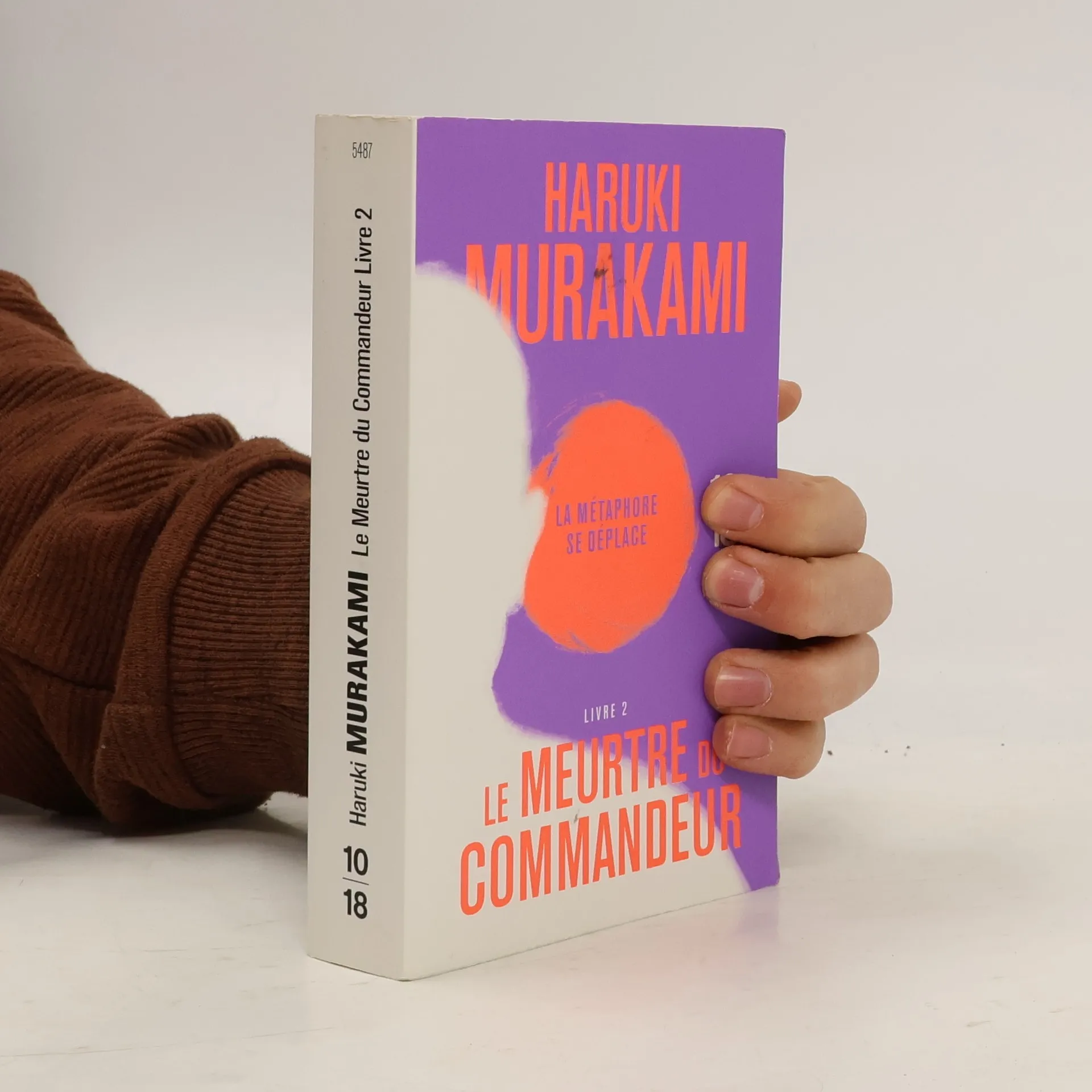
La suite de l'épopée de Murakami qui déstabilise encore un peu plus son lecteur. Une exploration des obsessions humaines au sein d'une histoire onirique et artistique. Au Japon, de nos jours. Une jeune fille a disparu. Le narrateur avait entrepris de faire son portrait. Il va rendre visite au vieux peintre Tomohiko Amada. Dans la chambre d'hôpital, le Commandeur apparaît. Le narrateur écoute le Commandeur : ce dernier est une idée ; une idée multiforme, chacun peut y projeter ce dont il a besoin. Il est prêt à offrir sa vie pour que la jeune fille soit retrouvée. Il faut faire revivre la scène du tableau, le Commandeur doit être poignardé. Le narrateur lui plante un couteau dans le coeur. Une trappe s'ouvre dans un coin de la chambre. Un personnage étrange en surgit qui invite à entrer dans le passage souterrain. C'est le début d'un périple qui va le conduire au-devant des forces du mal..
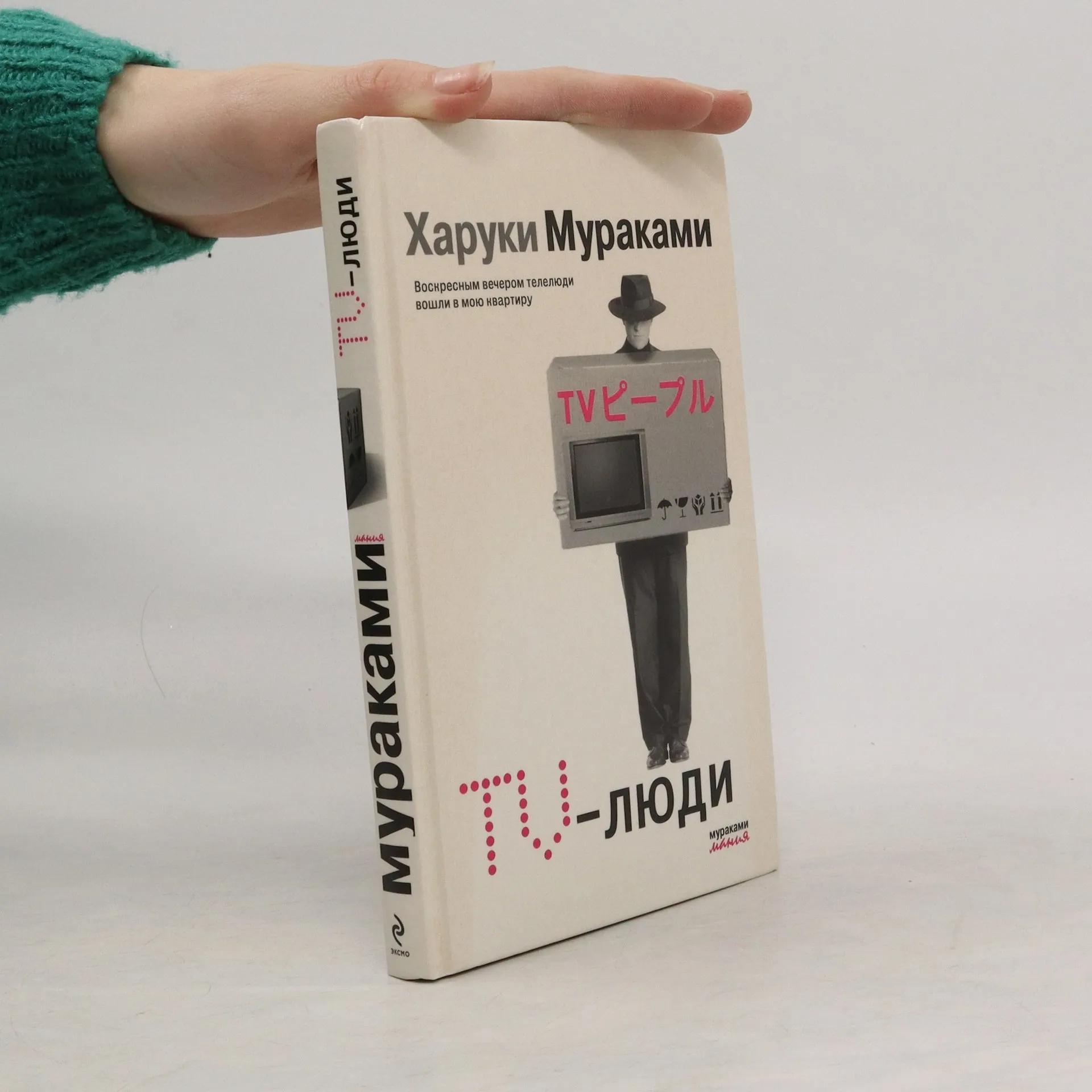
Содерж.: TV-люди ; Самолет, или Как он разговаривал сам с собой стихами ; Фольклор нашего времени. Ранний период эпохи развитого социализма ; Кано Крита ; Зомби ; Сон
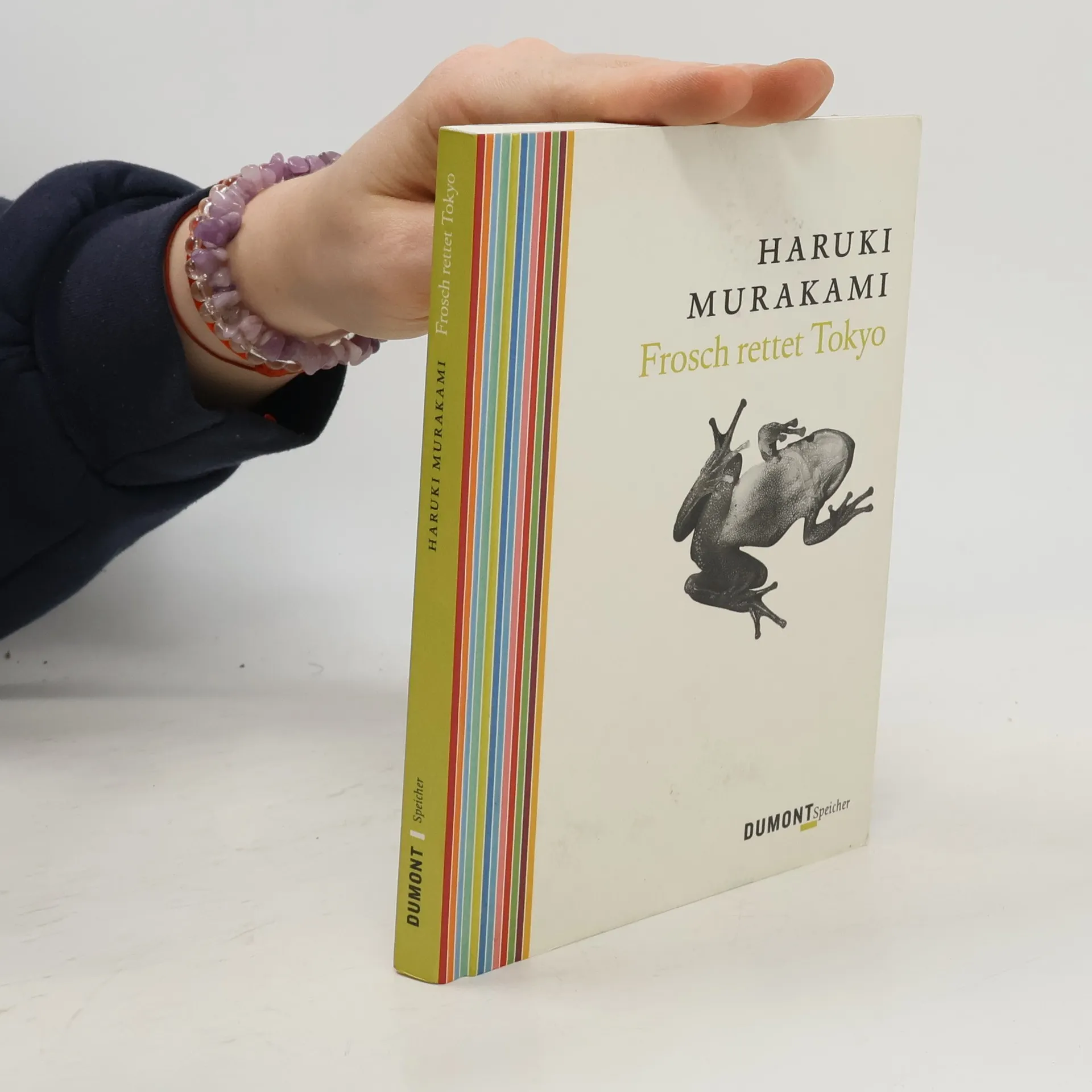
Ein Bankangestellter bekommt in seiner Wohnung Besuch von einem Riesenfrosch, der Tokyo vor der Zerstörung durch einen Wurm retten will; eine Wahrsagerin sieht tief in die hasserfüllte Seele einer Ärztin, die nach einem Kongress in Bangkok zu sich finden will – nachdem ein Mann ihre Lebenshoffnungen zerstört hat; am zwanzigsten Geburtstag arbeitet sie wie jeden Freitag Abend als Kellnerin, an diesem Abend aber beschert ihr der Zufall die Erfüllung eines geheimnisvollen Wunsches.
Содерж.: Предисловие. Ничья на карусели ; Ледерхозен ; Мужчина в такси ; У бассейна ; Почившей принцессе ; Рвота 1979 ; Укрытие от дождя ; Бейсбольное поле ; Охотничий нож
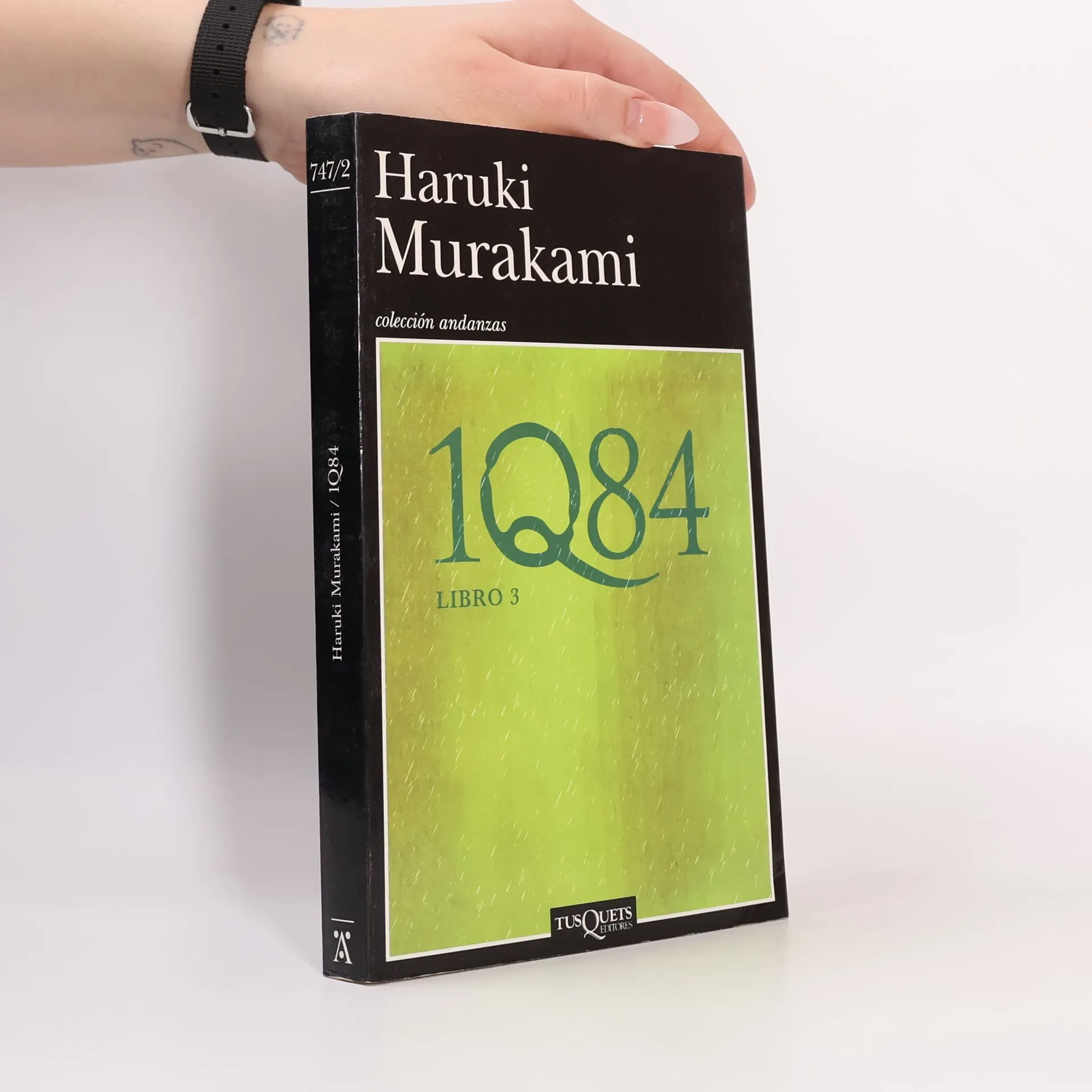
A las voces de Aomame –la enigmática instructora de gimnasia y asesina– y de Tengo –el profesor de matemáticas y escritor–, se suma, en este tercer volumen de la novela 1Q84 , la de un nuevo personaje, un detective llamado Ushikawa. Su última misión, encargada por Vanguardia, el misterioso culto religioso, consistió en comprobar si Aomame era digna de confianza para trabajar para el líder. Ushikawa dio el visto bueno a la joven, pero ésta los traicionó a todos, cometió un nuevo asesinato y luego desapareció. Si el detective no logra encontrarla, la venganza de la secta se abatirá sobre él. Entretanto, Aomame y Tengo, cada uno a su modo, siguen deseándose en la ausencia, buscándose –en el más puro estilo de Murakami– casi sin moverse de su sitio, aislados, quizás a punto de experimentar un giro radical en sus vidas y esperando un reencuentro que los redima... en el mundo de 1984, o en el de 1Q84, ese fantasmagórico universo con dos lunas.