close
BookbotBERJAYA

Thomas Friedman

    20 luglio 1953

    Thomas L. Friedman è un acclamato autore e giornalista il cui lavoro approfondisce gli affari internazionali. Basa le sue intuizioni su un'ampia attività di reportage, con l'obiettivo di rendere il complesso panorama globale accessibile ai lettori. Friedman ha ampliato la definizione di affari esteri per includere gli impatti della finanza, della globalizzazione e della tecnologia. La sua scrittura esplora l'interazione tra forze durature come il nazionalismo e la cultura, e gli effetti trasformativi di internet e dei mercati globali.

    Thomas Friedman
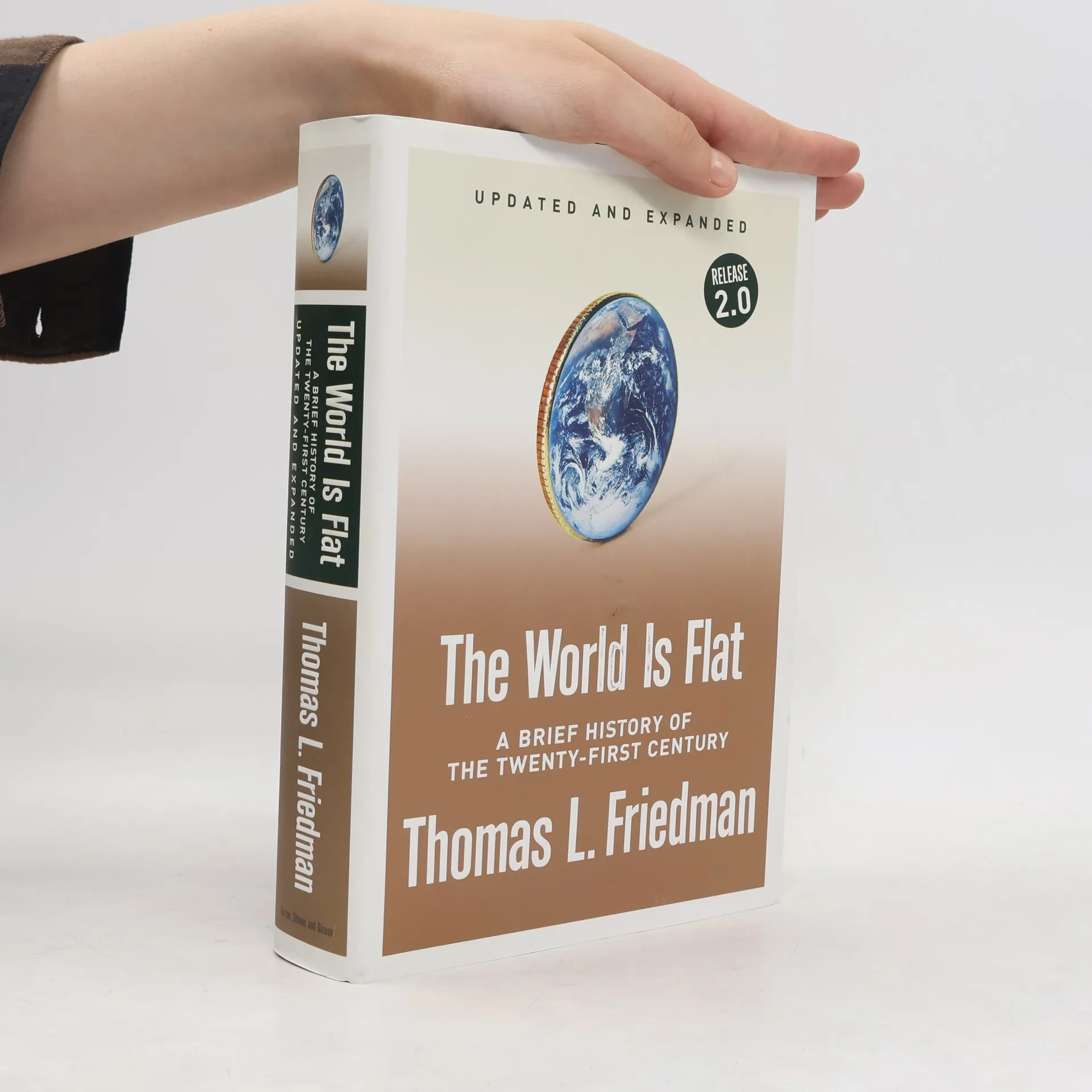
    The world is flat : a brief history of the twenty-first century
    That Used to Be Us
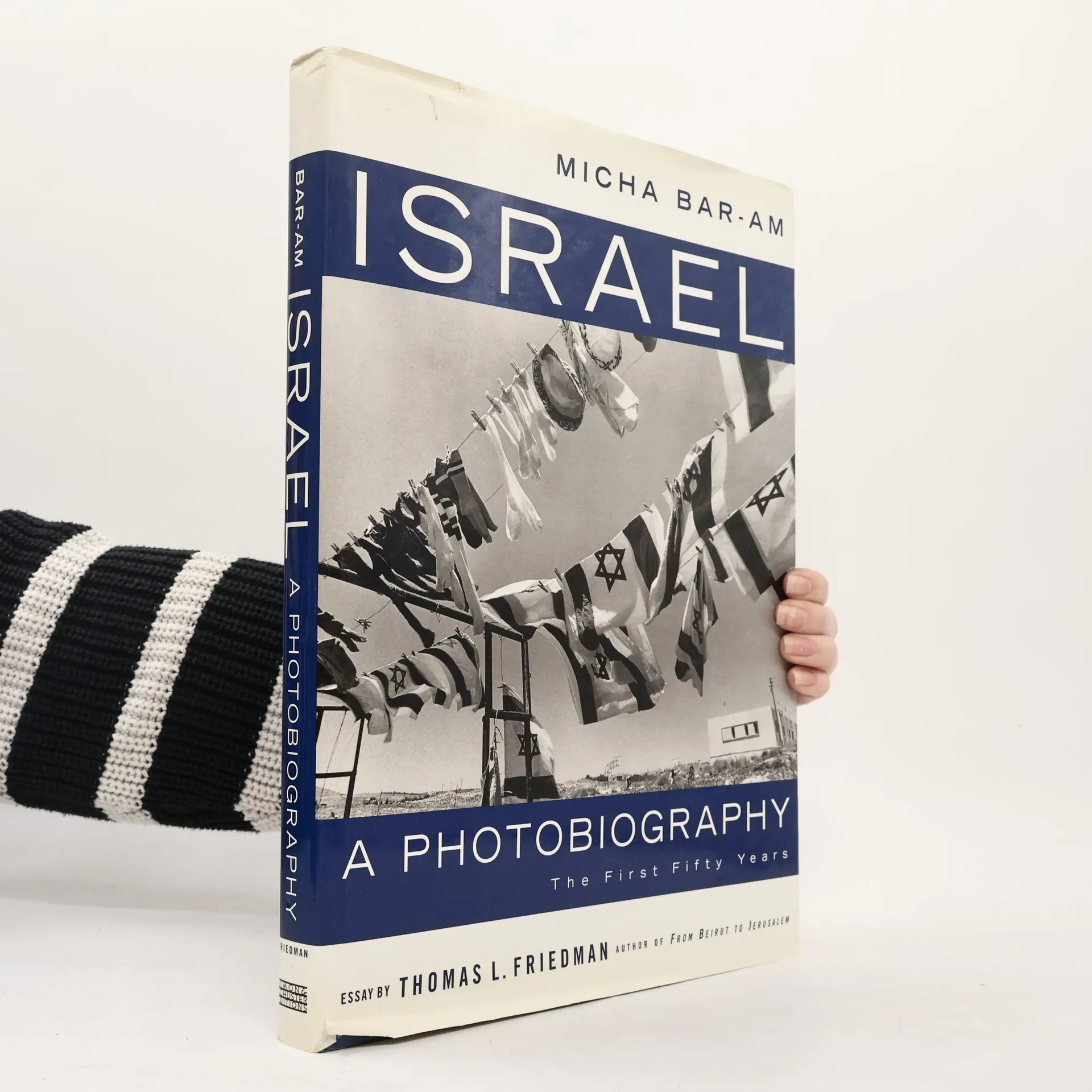
    Israel, a photobiography : the first fifty years
    Caldo, piatto e affollato. Com'è oggi il mondo, come possiamo cambiarlo
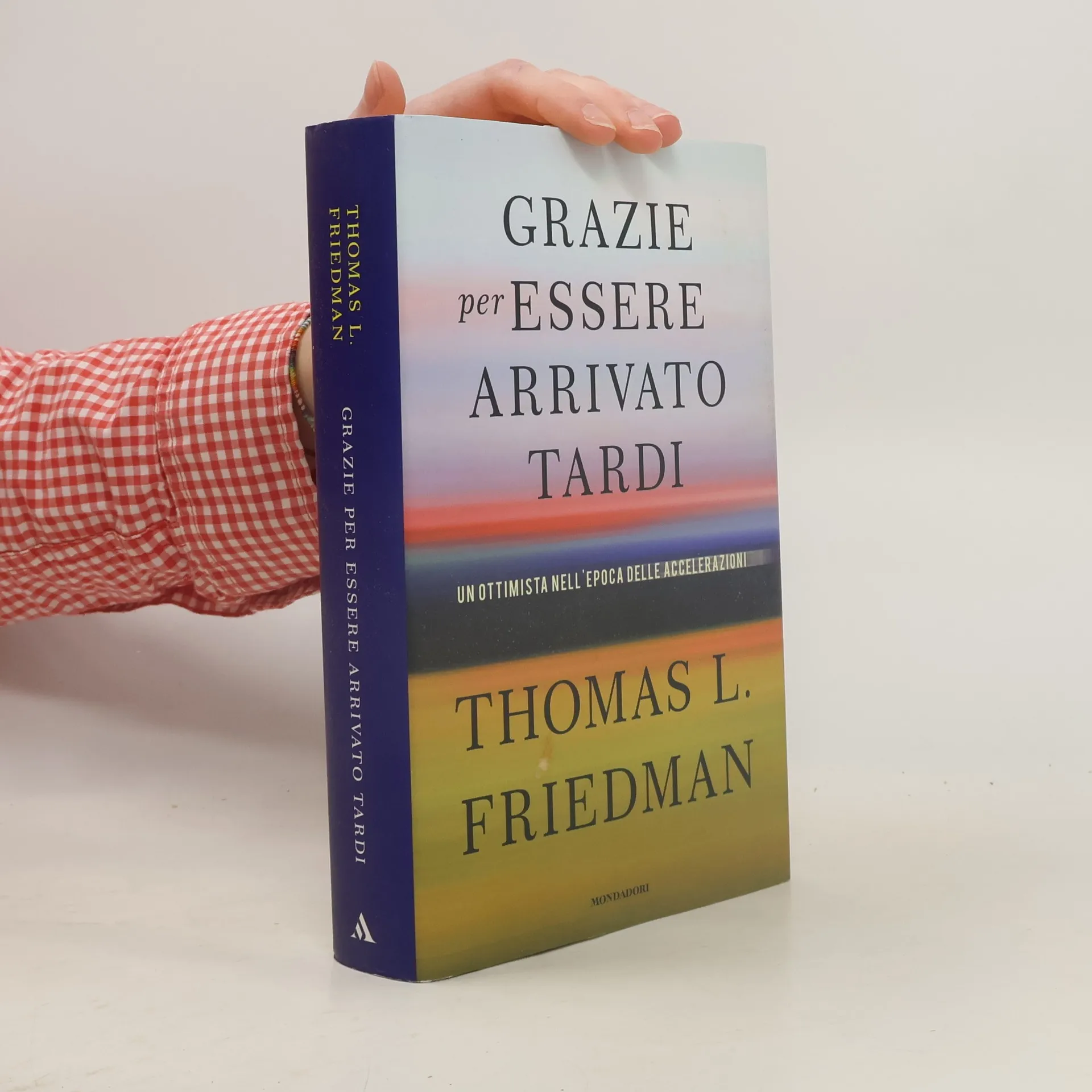
    Grazie per essere arrivato tardi. Un ottimista nell'epoca delle accelerazioni
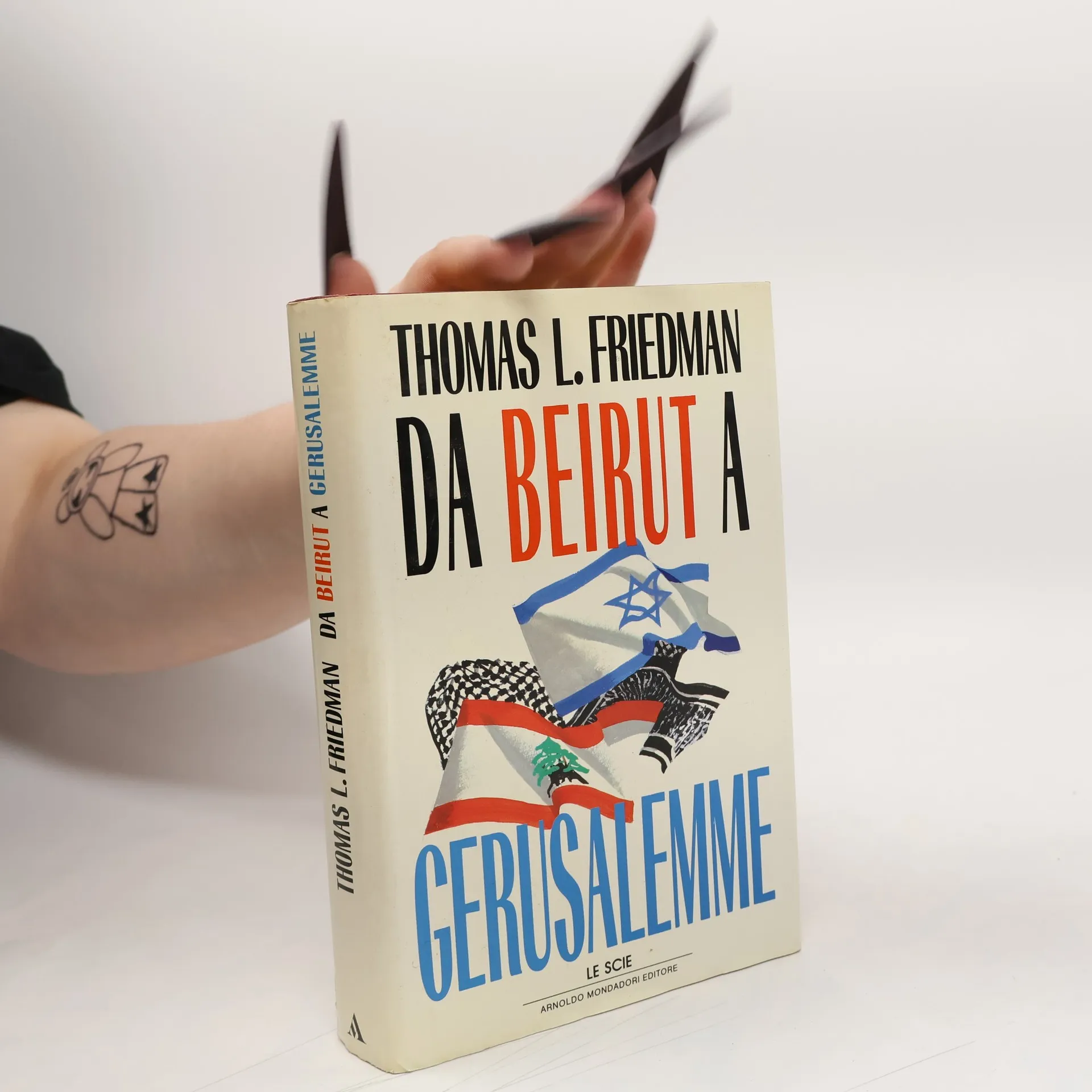
    Da Beirut a Gerusalemme
    • Da Beirut a Gerusalemme

      • 442pagine
      • 16 ore di lettura

      This extraordinary bestseller is still the most incisive, thought-provoking book ever written about the Middle East. Thomas L. Friedman, twice winner of the Pulitzer Prize for international reporting, and now the Foreign Affairs columnist on the op-ed page of the New York Times , drew on his ten years in the Middle East to write a book that The Wall Street Journal called "a sparkling intellectual guidebook... an engrossing journey not to be missed." Now with a new chapter that brings the ever-changing history of the conflict in the Middle East up to date, this seminal historical work reaffirms both its timeliness and its timelessness. "If you're only going to read one book on the Middle East, this is it." -- Seymour Hersh
      Da Beirut a Gerusalemme
      4,2
    • Tutti avvertiamo che le nostre vite stanno accelerando a un ritmo vertiginoso. "Grazie per essere arrivato tardi" espone i movimenti tettonici che stanno rimodellando il mondo attuale e spiega come trarne il massimo vantaggio. La tesi di Friedman è che le tre forze più grandi del pianeta - la legge di Moore (tecnologia), il mercato (globalizzazione) e Madre Natura (cambiamento climatico e perdita di biodiversità) - stanno accelerando simultaneamente. Un'energia straordinaria sta rimodellando tutto, da come chiamiamo un taxi al destino delle nazioni, fino alle nostre relazioni più intime. Questo libro è un'opera di storia contemporanea che funge da manuale per comprendere quest'epoca di accelerazioni e come possiamo ancorarci nel centro di questa tempesta. È anche un invito a "essere in ritardo", a fermarsi per apprezzare questa straordinaria epoca storica e riflettere sulle sue possibilità e pericoli. Scritto con la sua consueta vitalità, arguzia e ottimismo, "Grazie per essere arrivato tardi" è il libro più ambizioso di Friedman e una guida essenziale per il presente e il futuro.

      Grazie per essere arrivato tardi. Un ottimista nell'epoca delle accelerazioni
      4,1
    • Il surriscaldamento del clima, lo stupefacente livellamento - favorito dalla globalizzazione - degli stili di vita di un numero crescente di persone e la brusca impennata demografica degli ultimi decenni hanno trasformato la Terra in un pianeta "caldo, piatto e affollato", alterando pericolosamente gli attuali equilibri naturali, sociali ed economici. Fra pochi anni, gli effetti del dissennato sfruttamento delle risorse e della produzione di quantità sempre maggiori di gas serra e altre sostanze inquinanti si mostreranno in tutta la loro drammaticità. Ma è ancora possibile fare qualcosa per scongiurare la catastrofe? E se sì, che cosa? È a questa domanda che Thomas L. Friedman, si propone di rispondere, accantonando le argomentazioni della retorica ambientalista e affondando impietosamente lo sguardo nelle molte negligenze - volontarie o involontarie - che hanno portato alla situazione attuale. Il primo passo da compiere per evitare la massiccia estinzione di specie vegetali e animali - con enormi ripercussioni anche sulla vita dell'uomo - è, a suo avviso, l'elaborazione e la rigorosa applicazione di una strategia sistemica in cui l'interazione delle scelte operative indispensabili crei i presupposti di una rivoluzione "verde" globale del modo di produrre e di vivere, che può costituire il volano per una crescita economica impetuosa.

      Caldo, piatto e affollato. Com'è oggi il mondo, come possiamo cambiarlo
      3,7
    • As spectacular and moving as Bar-Am's photos are, Thomas L. Friedman's compelling essay provides an anchor in the form of an eloquent reflection on the unfolding of the first fifty years. Israel's contributions to politics and culture, to religion and commerce, have made a tremendous mark on the world, and these issues Friedman addresses with the perception of an outsider who has spent almost a quarter of his life in the area. While Bar-Am's photos show us the events that have shaped Israel's path, Friedman's essay explores the implications of Israel's first fifty years and the nation's powerful struggle between its past and its future.

      Israel, a photobiography : the first fifty years
      4,6
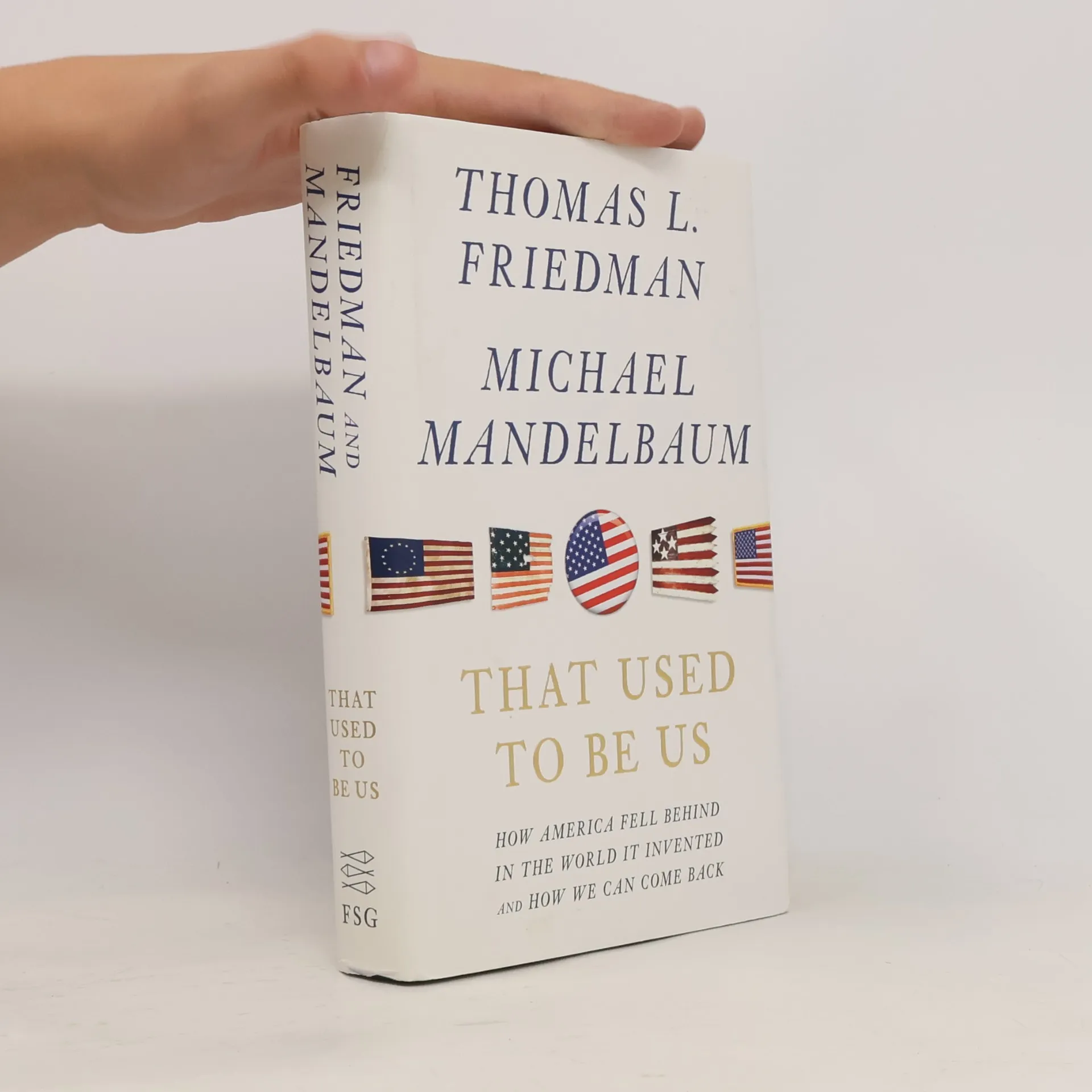
    • That Used to Be Us

      How America Fell Behind in the World It Invented and How We Can Come Back

      • 380pagine
      • 14 ore di lettura

      America faces four critical challenges that threaten our future and the American dream for generations to come. In their compelling analysis, Thomas L. Friedman and Michael Mandelbaum highlight the urgent need for collective action to address globalization, the revolution in information technology, chronic deficits, and excessive energy consumption. They argue that the end of the Cold War led to complacency regarding these issues, while China's advancements serve as a stark reminder of what America once represented. The authors discuss how political paralysis and a decline in key American values hinder necessary policy implementation. Despite these obstacles, they assert that a recovery of American greatness is achievable. By understanding our history, they present a five-part formula for prosperity to tackle current challenges. Through vivid profiles of individuals who embody bold thinking and decisive action, they outline a path forward that includes rediscovering vital traditions and fostering a new third-party movement to energize the nation. This work serves as both a profound examination of the current American condition and a passionate call for renewal.

      That Used to Be Us
      3,8
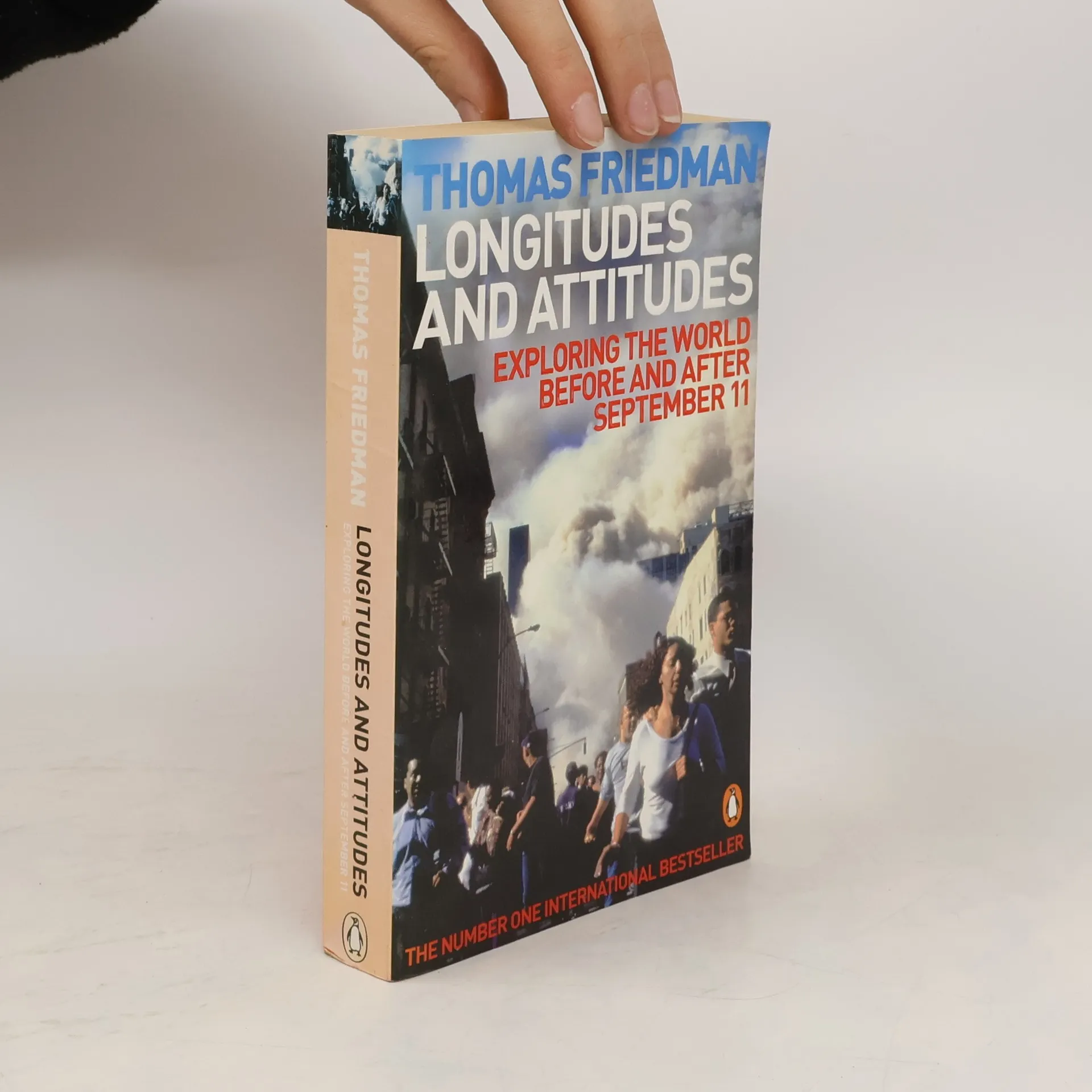
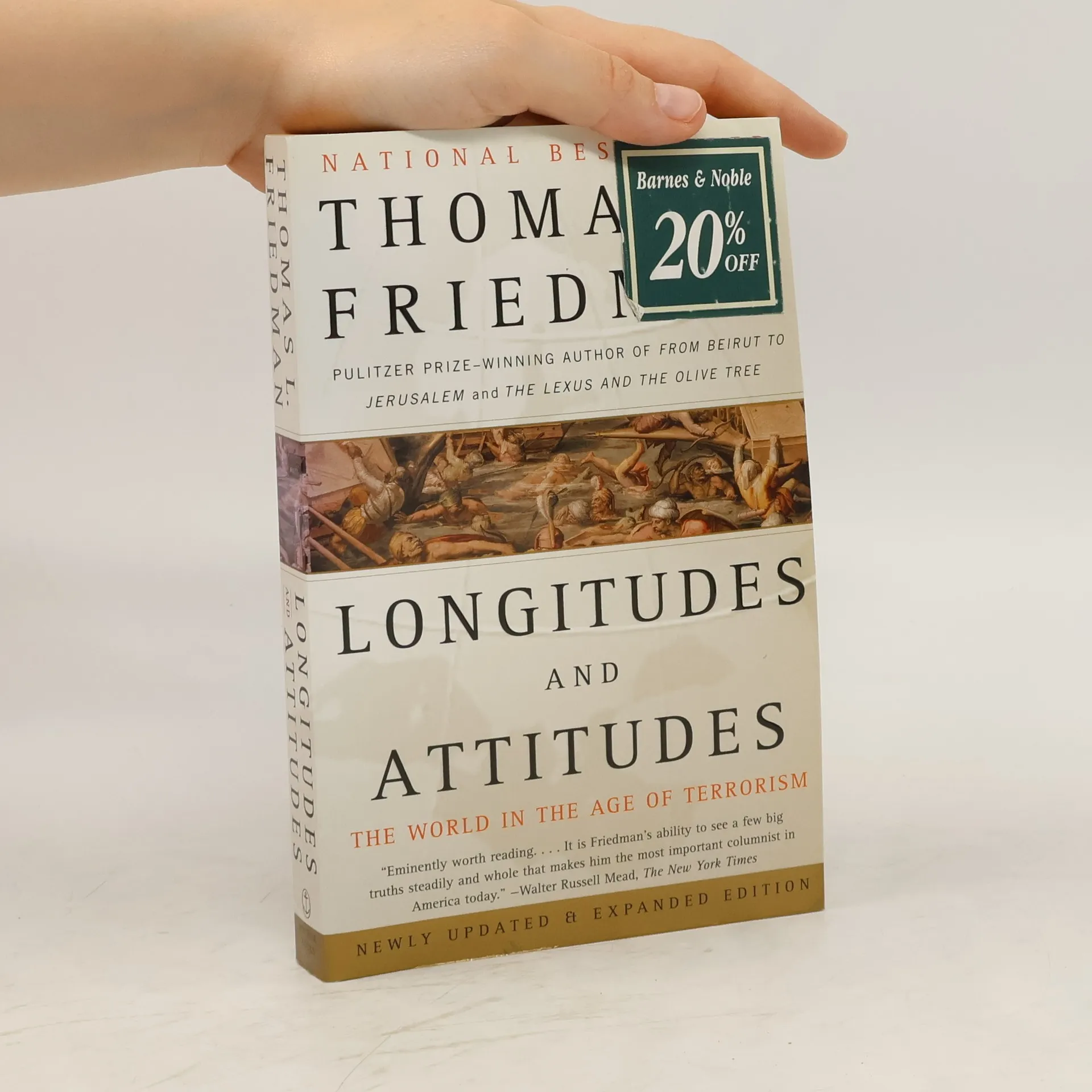
    • From the Pulitzer Prize–winning New York Times columnist and bestselling author of From Beirut to Jerusalem and The Lexus and the Olive Tree comes this smart, penetrating, brilliantly informed book that is indispensable for understanding today’s radically new world and America’s complex place in it. Thomas L. Freidman received his third Pulitzer Prize in 2002 “for his clarity of vision, based on extensive reporting, in commenting on the worldwide impact of the terrorist threat.” In Longitudes and Attitudes he gives us all of the columns he has published about the most momentous news story of our time, as well as a diary of his private experiences and reflections during his post–September 11 travels. Updated for this new paperback edition, with over two years’ worth of Friedman’s columns and an expanded version of his diary, Longitudes and Attitudes is a broadly influential work from our most trusted observer of the international scene.

      Longitudes and attitudes : the world in the age of terrorism
      3,7
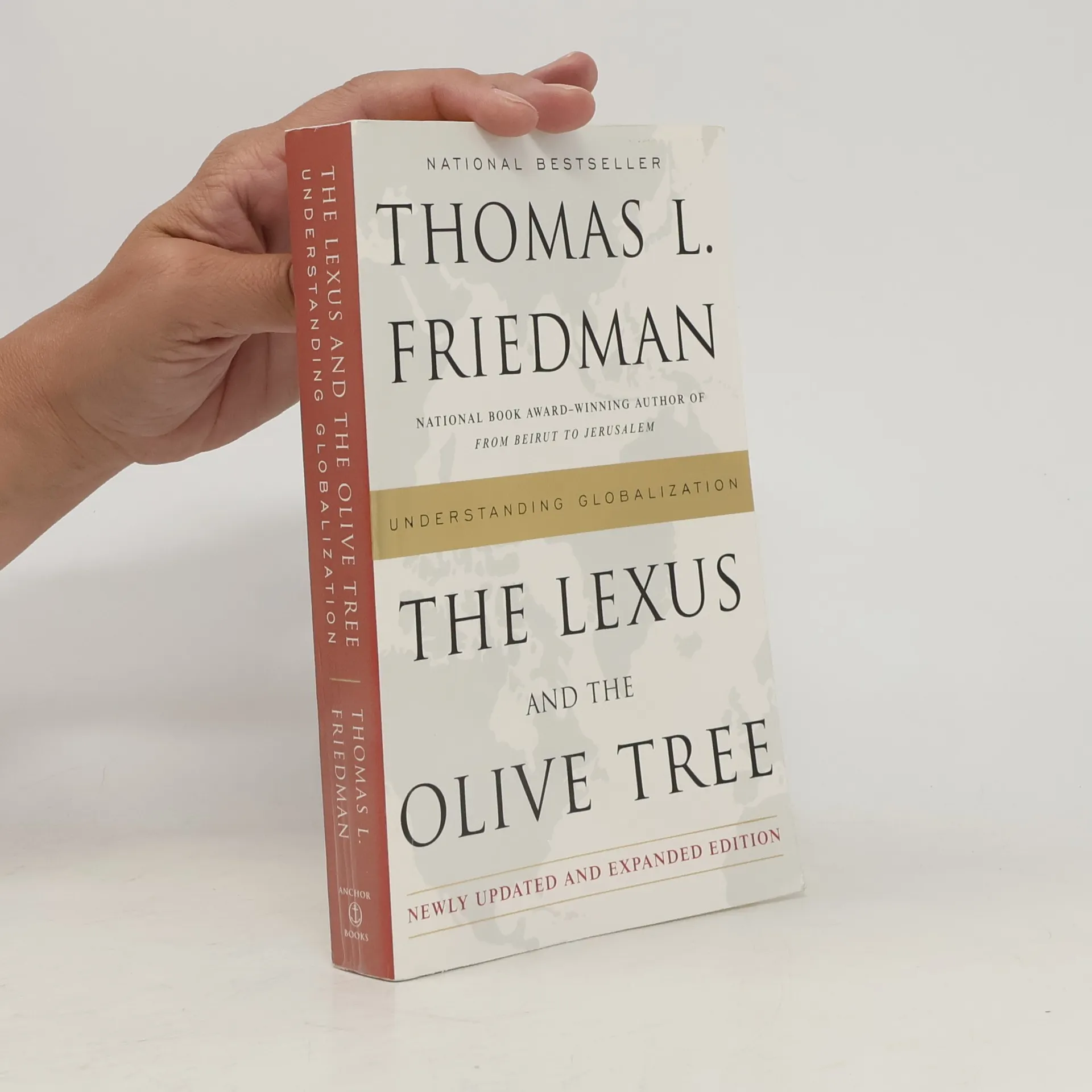
    • The Lexus and the olive tree

      • 512pagine
      • 18 ore di lettura

      From a perceptive commentator and National Book Award winner, this work offers a comprehensive exploration of globalization, the international system shaping world affairs today. As a Foreign Affairs columnist for The New York Times, Thomas L. Friedman has traveled extensively, interviewing diverse individuals—from Brazilian peasants to Wall Street financial experts. He presents globalization not merely as a trend but as a transformative system that has replaced the Cold War framework, creating an interconnected global market and, to some extent, a global village. Understanding this system is crucial for interpreting current events and personal investments. For instance, during the Cold War, communication was symbolized by the hot line between superpowers, while today, the Internet represents our interconnectedness, albeit with no single authority in control. Through vivid narratives and original concepts, Friedman provides insights into this new world order, illustrating the conflict between the forces of globalization and enduring cultural traditions. He also addresses the backlash against globalization from those who feel marginalized by it and emphasizes the need for balance. The struggle between modernity and tradition is the central theme of this provocative work, essential for anyone interested in the dynamics of the contemporary world.

      The Lexus and the olive tree
      3,6
    • Longitudes and Attitudes

      • 416pagine
      • 15 ore di lettura

      This title brings together reportage and reflections on the state of the world leading up to and after September 11, 2001. Thomas Friedman gives voice to our awakening sense of a radically new world and our own complex place in it.

      Longitudes and Attitudes
      3,5