


Irving Howe Livres
Irving Howe était un critique littéraire et social américain, réputé pour son engagement envers la justice sociale et le débat intellectuel. Son œuvre a souvent exploré les thèmes de l'expérience juive américaine, de la littérature moderne et de l'évolution de la pensée de gauche. Howe était apprécié pour sa capacité à allier une analyse littéraire rigoureuse à des commentaires sociaux perspicaces, contribuant à une compréhension plus profonde de la culture et de la politique du XXe siècle. Sa perspective critique et son honnêteté intellectuelle ont laissé une marque durable dans la vie intellectuelle américaine.

Short Shorts is a delightful anthology of miniature masterpieces. Here are thirty-eight brief, brilliant flashes of fiction, both classic and contemporary. Each work is superb, intense, and speaks to the human condition in a profound, often provocative way–a truly outstanding collection by some of the worlds greatest authors.
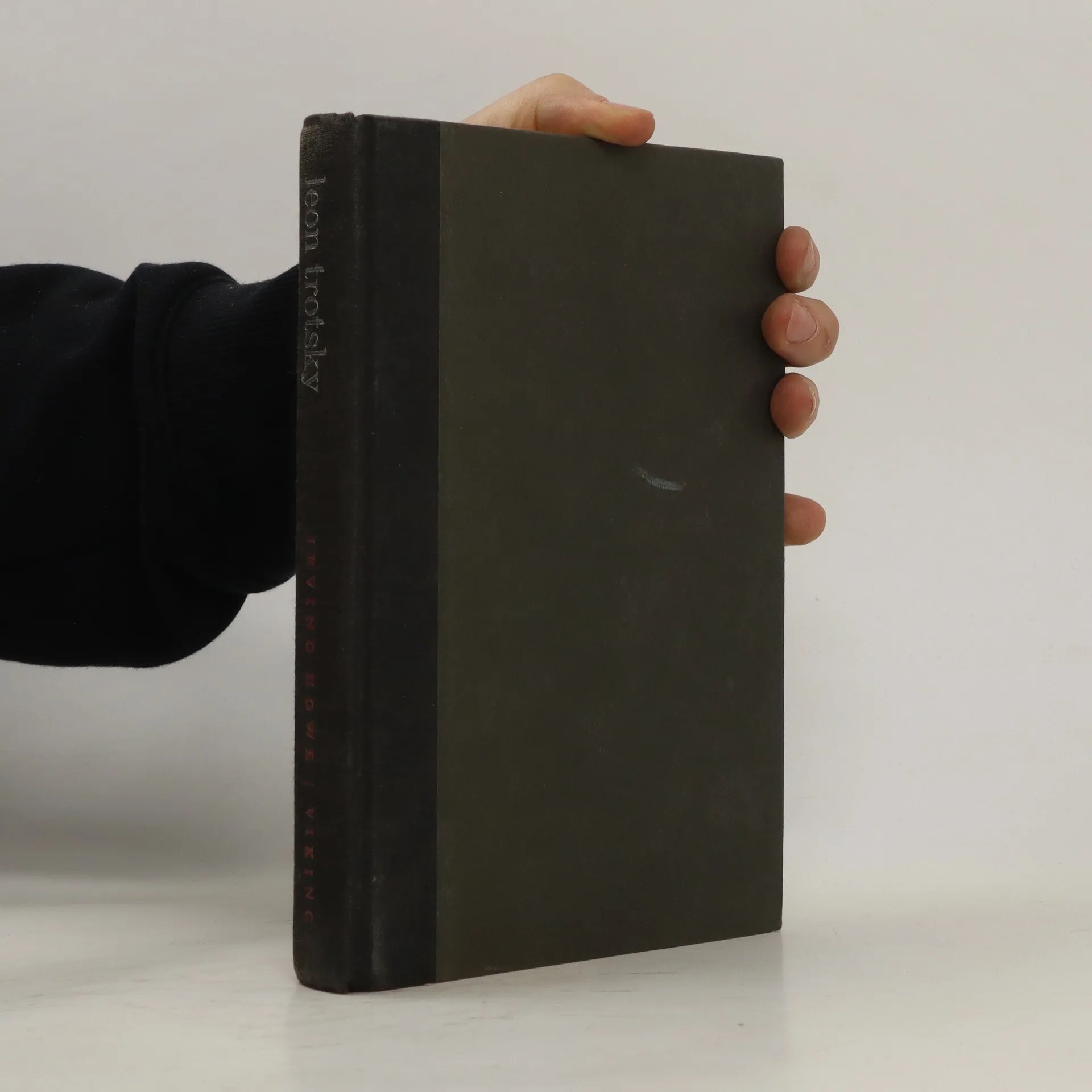
Leon Trotsky
- 214pages
- 8 heures de lecture
1978 Viking Press hardcover, Irving Howe (World of Our The Journey of the East European Jews to America and the Life They Found and Made). A powerful biography detailing the life of the Russian revolutionary, political theorist, and politician.
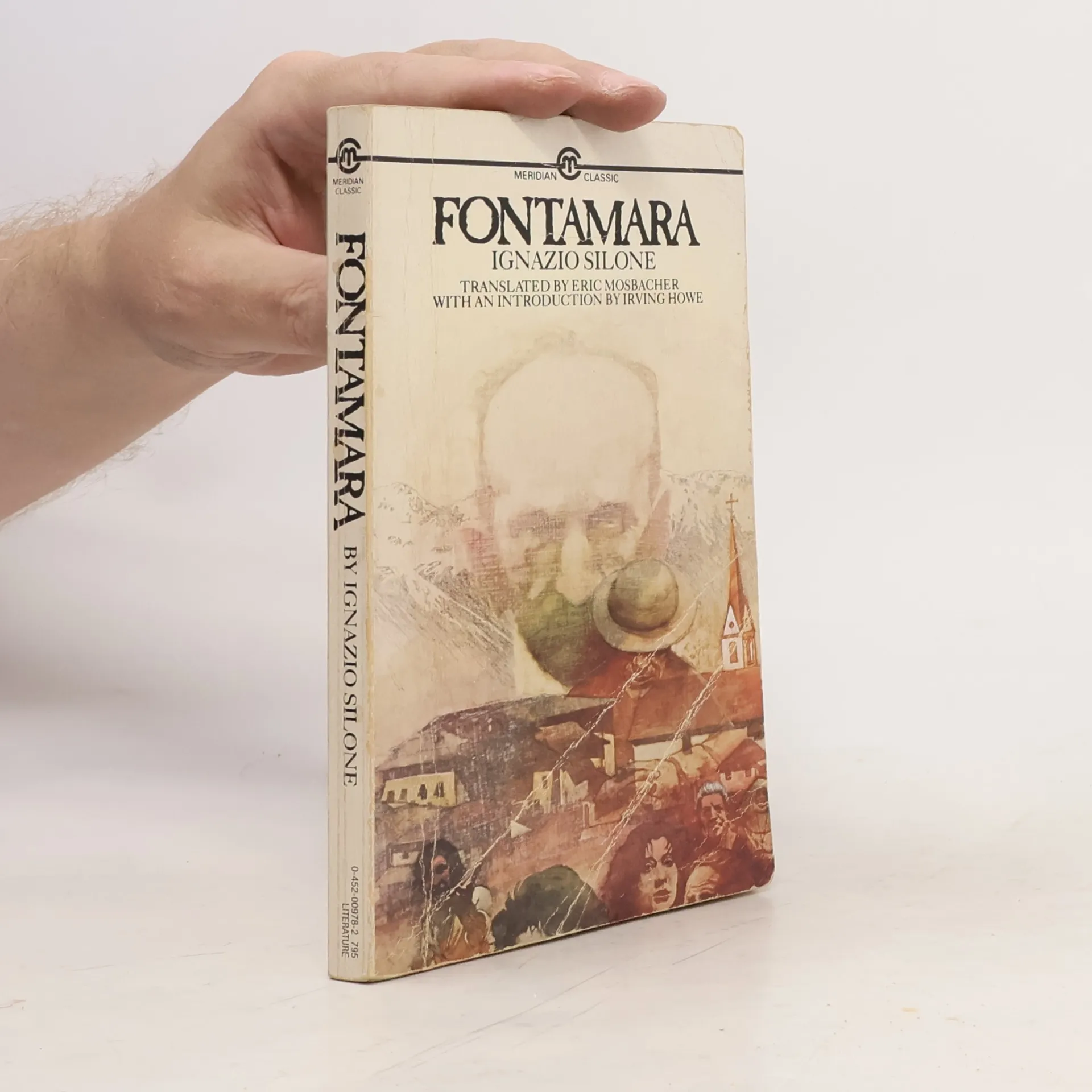
Meridian Classic: Fontamara
- 165pages
- 6 heures de lecture
Silone's first novel, published in German in 1933 and in English in 1934, garnered worldwide acclaim, selling over a million and a half copies in twenty-seven languages. Set against the backdrop of the impending Spanish Civil War and shortly after Hitler's rise to power, the narrative had a profound impact on public opinion, becoming a symbol of resistance and a significant anti-Fascist document in the late 1930s. The story unfolds in the fictional rural village of Fontamara, located in the Abruzzo region, where the impoverished inhabitants, the Fontamaresi, are largely unaware of global events, including the rise of Fascism. They live in stark contrast to the wealthy Impresario, who represents the power and immorality of the Fascist regime. The Fontamaresi, disconnected from modernity and technology, struggle for survival through agriculture and emigration, while remaining vulnerable to exploitation. Their ignorance leads to tragic consequences, including violence against women by Fascist squads. Berardo Viola emerges as a key figure, sacrificing himself to disseminate socialist ideas and incite rebellion. Ultimately, the government's brutal actions result in the deaths of many villagers, highlighting the dire consequences of their naivety and the oppressive political climate.
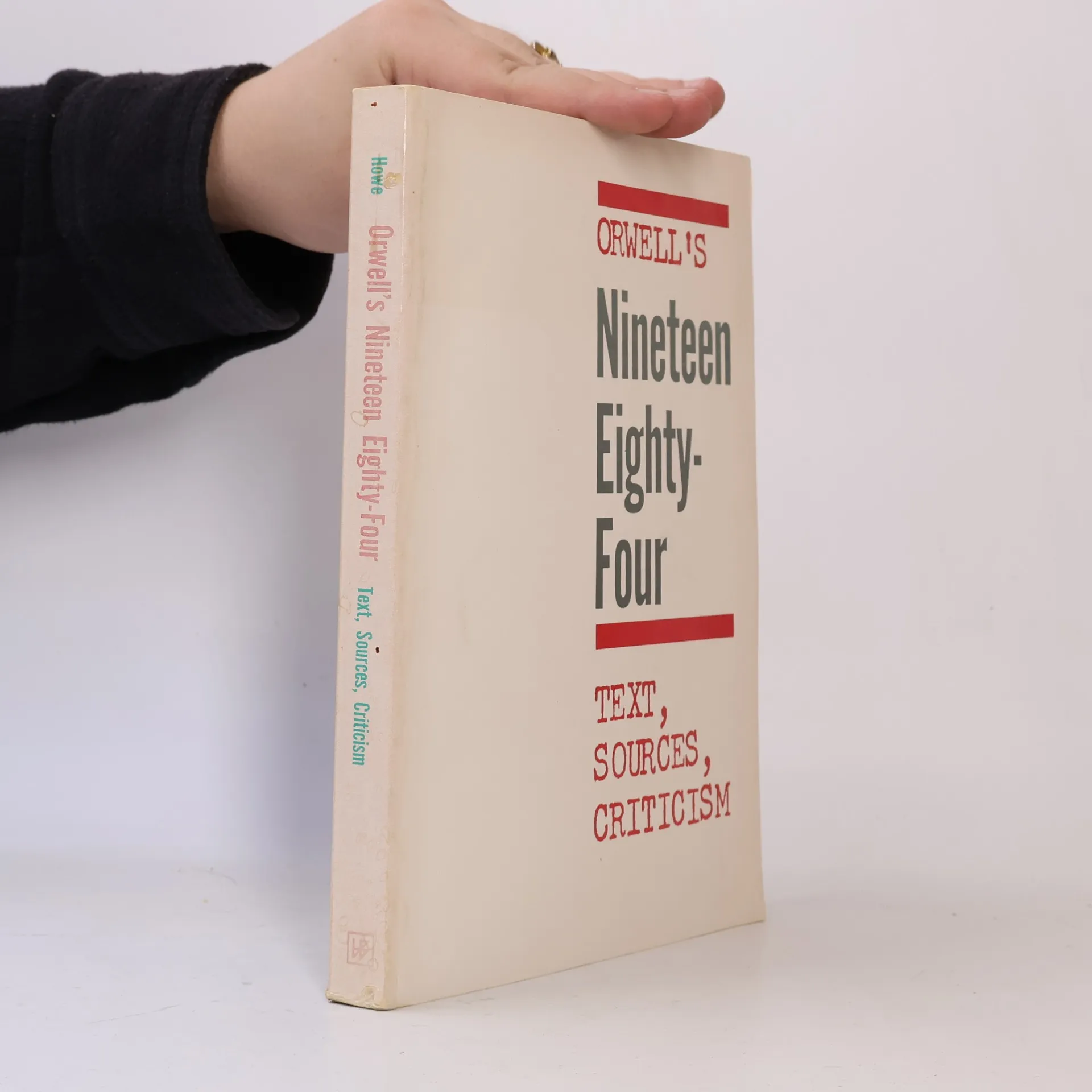
Orwell's Nineteen Eighty-Four
Text, Sources, Criticism
PB, Mentor, 1977. Cover glossy but scratched, former owner's name on cover. Spine supple and tight. Pages tanned but absolutely clean, unmarked except for owner's stamp on bottom edge. I ship within 24 hours, but allow 6-14 days for standard delivery. Need it faster? Choose expedited shipping. Free USPS delivery confirmation.

