-
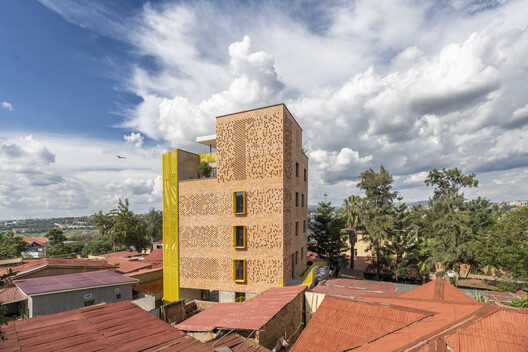
Architects: ASA Studio
- Area: 835 m²
- Year: 2026
-
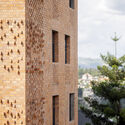
Manufacturers: Clay bricks


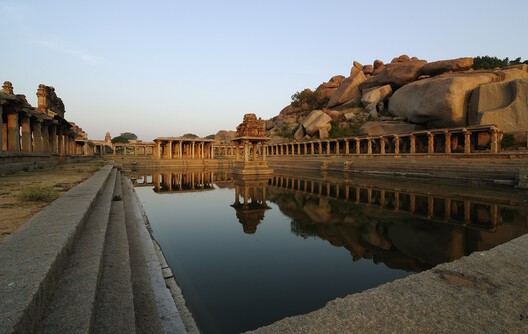
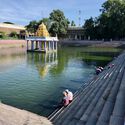
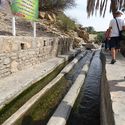
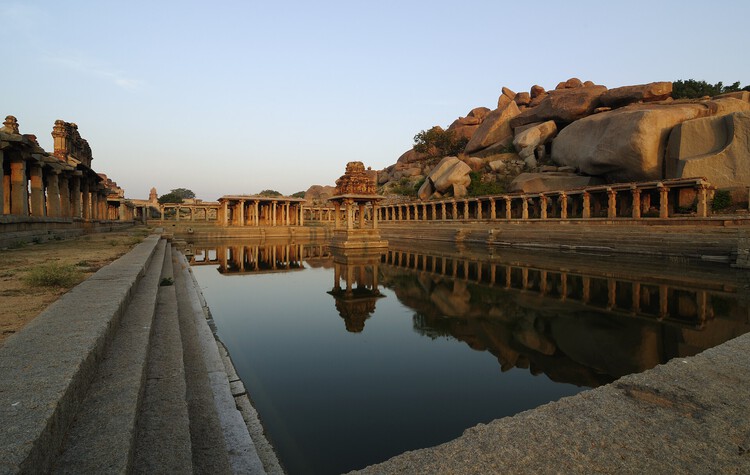
Architecture often speaks about ecological design as though it were a recent discovery. Biodiversity corridors, regenerative landscapes, sponge cities, and more-than-human urbanism are presented as emerging responses to contemporary environmental crises. Across India and the SWANA region, landscapes shaped through religious practice have long organized relationships between people, water, vegetation, and animals. Long before ecological performance became a design metric, temple tanks stored monsoon water, sacred groves protected biodiversity, and oasis settlements sustained life in some of the world's most arid environments. Few of these places emerged from explicit environmental agendas. They emerged through cultural and spiritual practices. Their environmental logic remains highly relevant today. Many of the conditions now discussed through more-than-human design have existed for centuries within landscapes architects rarely study as ecological infrastructure.


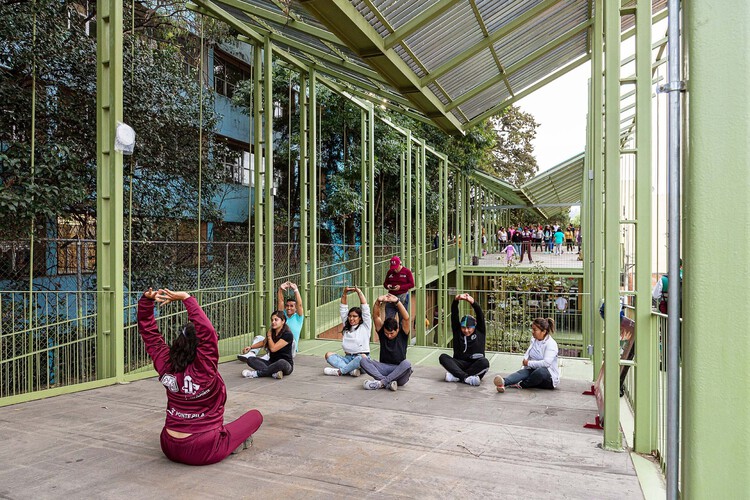
In many Latin American cities, peripheral neighborhoods have historically had less access to the resources that make urban life more than just livable. Housing, transportation, and public services are the usual markers of that gap. But there is another gap that is harder to quantify: the absence of places where people can gather, learn, rest, and participate in collective life. When those spaces do not exist, the city not only fails to provide a service. It fails to acknowledge a presence.
In recent decades, a growing number of projects have tried to address that absence directly. Rather than focusing only on physical infrastructure, they invest in spaces designed to support education, culture, recreation, and community, often merging several of those functions within a single building in neighborhoods where those spaces are otherwise limited.




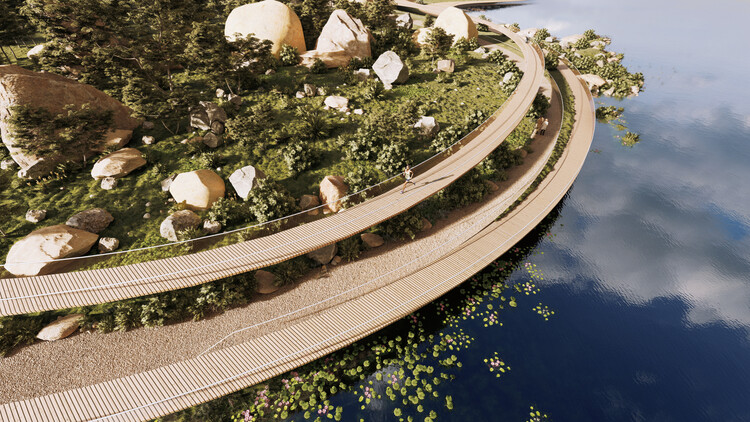
In the current context of rapid urban environmental changes, such as heatwaves and droughts, new priorities are emerging in the design of public spaces. "Rewilding" refers to the practice of restoring self-sustaining ecosystems through the reintroduction of biodiversity, implementing strategies to reverse the effects of habitat loss, species decline, and ecosystem degradation. These strategies can be identified in this selection of conceptual projects submitted by ArchDaily readers, where architecture is used as a tool to restore ecological balance among species, inverting its modern role as an agent of ecological disruption.
Faced with the reality that climate change is making cities increasingly unlivable, citizens are confronted with the choice of either leaving or transforming their environments. The unbuilt projects compiled in this article offer transformative alternatives for more livable cities, combining construction, architectural, and landscape design strategies across urban parks and suburban interstitial spaces. As ecological laboratories, they incorporate a multispecies perspective into the design process, adopting a concept of time better suited to the development of ecosystems.