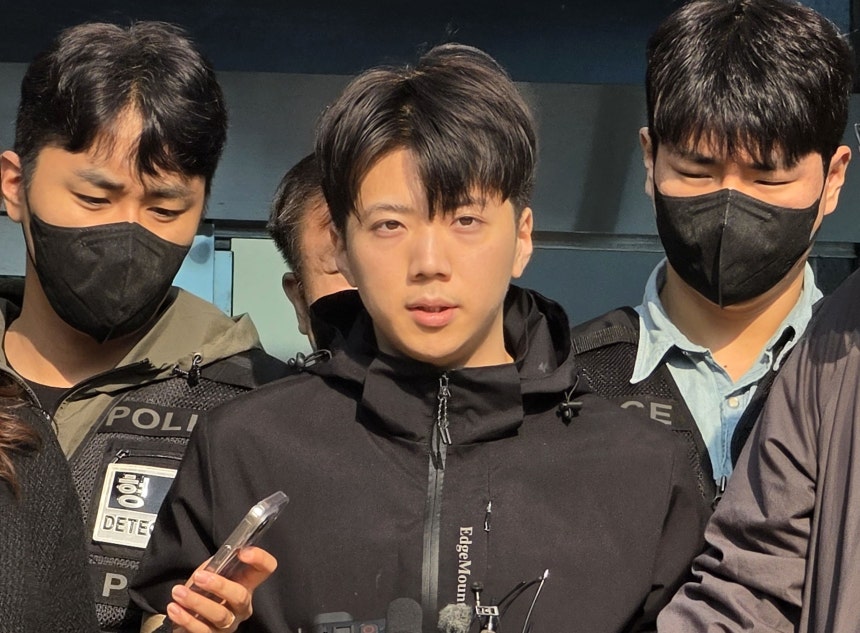
Serious flaws in the police investigation of Jang Yun-gi, who has been indicted and detained on charges of murdering a high school girl in Gwangju, continue to emerge, raising troubling questions about investigative oversight.
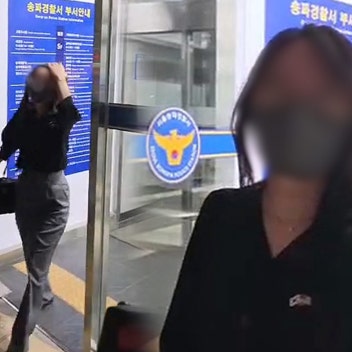
On Monday, the Gwangju Metropolitan Police Agency arrested the detective team leader who handled the case on suspicion of destroying evidence and removed the entire investigative team from duty. The revelations are both shocking and deeply disturbing. Investigators reportedly failed to seize key evidence found at Jang's residence and left the vehicle allegedly used in the crime untouched. When prosecutors later secured the vehicle, they discovered additional bloodstains and the vehicle's black box memory card. Prosecutors' supplementary investigation also revealed that several of Jang's mobile phones had been burned by his father, a police officer.
These developments point to a serious breakdown in discipline and accountability within the police. As the controversy widened, the National Office of Investigation established a special investigative team that bypassed the Gwangju police command.
The case demonstrates the risks of leaving criminal investigations solely in the hands of the police without an effective system of checks and balances. Weak evidence collection, overlooked criminal allegations and distorted case handling are not hypothetical concerns. They are real possibilities when independent oversight is lacking.
Yet the government and the ruling party remain committed to abolishing prosecutors' supplementary investigative authority altogether.
After that policy became public, the association of sexual violence counseling centers warned that, following earlier prosecutorial reforms, opportunities to review or supplement investigations closed by the police could be significantly reduced or disappear entirely. The concern deserves careful consideration.
Prosecutors did not directly uncover the alleged collusion within the police in the Jang case. They did, however, identify evidence suggesting Jang's alleged sexual motive and corrected significant shortcomings in the original police investigation.
If prosecutorial reform effectively grants the police a near monopoly over criminal investigations, the government should explain how it intends to make requests for supplementary investigations genuinely effective. It should clearly specify what sanctions will apply if police fail to comply, who will oversee the quality and fairness of police investigations and how that oversight will operate. It must also explain how victims' rights to challenge investigative decisions will be protected.
Power that is not subject to meaningful oversight inevitably invites abuse, and the police are no exception. If the government and the ruling party proceed with creating an investigative system in which the police exercise virtually unchecked authority while ignoring these concerns, the ultimate cost will be borne by the public and, above all, by victims of crime.